Categories
Ear Health Health & Wellness

Ear Health and Jaw Alignment: Understanding Their Connection

Last Updated on 22/04/2025 by Admin

Discover the Complex Anatomy of the Ear and Jaw

Exploring the Detailed Structure and Functionality of the Ear

Cross-section of human ear showing outer, middle, inner parts, labeled pinna, eardrum, ossicles, cochlea.

The ear is an exceptionally intricate organ, expertly constructed to facilitate both hearing and balance functions. It consists of three essential sections: the outer ear, the middle ear, and the inner ear. Each section plays a pivotal role in the auditory process. The outer ear, which encompasses the pinna and ear canal, effectively captures sound waves and directs them to the eardrum. This membrane vibrates in response to these incoming sounds, transmitting these vibrations to the middle ear. Inside this region, three minute bones known as the ossicles amplify the vibrations and transfer them to the inner ear, where the conversion of sound energy into electrical signals for the brain occurs.

Within the sophisticated structure of the inner ear resides the cochlea, a spiral-shaped organ critical for transforming these vibrations into electrical impulses that the brain interprets as sound. This conversion process is vital for accurate sound perception. Additionally, the inner ear contains the vestibular system, which is instrumental in maintaining balance and spatial orientation. The close anatomical relationship between the ear and the jaw, particularly the temporomandibular joint (TMJ), is significant. Disruptions in one area can trigger a chain reaction affecting the other, leading to various health complications. Grasping the complexity of this system forms a solid foundation for delving into the intricate relationship between ear health and jaw alignment.

Understanding the Mechanics of the Jaw

The jaw, scientifically referred to as the mandible, is not merely a static structure; it operates dynamically, playing an essential role in vital activities such as chewing, speaking, and even expressing facial emotions. The mandible connects to the skull at the temporomandibular joint (TMJ), a complex joint that allows for various movements, including hinging, sliding, and rotating. This flexibility is crucial for daily tasks such as eating and verbal communication, contributing significantly to a person’s overall quality of life.

The mechanics of the jaw also profoundly influence the structure and functionality of the face. Proper alignment can enhance both aesthetic appeal and functional capabilities, while misalignments may lead to numerous complications. Issues related to jaw mechanics can manifest not only in the jaw itself but also in adjacent structures, including the ears. The interconnected musculature and nerve pathways linking the jaw and ear indicate that misalignments can lead to symptoms such as ear pain or tinnitus. Understanding these jaw mechanics is essential for recognising how they impact ear health and contribute to the relationship between ear health and jaw alignment.

Examining the Interrelated Dynamics of Ear and Jaw Function

The close anatomical relationship between the ear and jaw creates intricate interactions between these two systems. Issues arising in the jaw can lead to discomfort and dysfunction that radiate to the ear, while problems within the ear can present symptoms associated with the jaw. For instance, individuals suffering from temporomandibular joint disorders (TMD) frequently report experiencing ear pain, often described as a sensation of fullness or pressure in the ear.

This interconnectedness indicates that a multidisciplinary approach is essential when addressing health issues. For example, if a patient presents with ear pain and no identifiable ear pathology is discovered, a thorough examination of dental health and jaw alignment may reveal underlying concerns. The muscles responsible for chewing and those supporting ear function are closely linked, underscoring the necessity of addressing both areas in treatment. As we explore the relationship between ear health and jaw alignment further, it becomes increasingly evident that a comprehensive understanding of these systems is vital for effective diagnosis and treatment.

Identifying Symptoms and Conditions Associated with Ear and Jaw Health

A medical illustration of common symptoms like fever, rash, headache, and related conditions like flu, allergies, migraines.

Recognising Ear-Related Health Conditions

Symptoms associated with ear health frequently extend beyond the ear itself, as conditions such as tinnitus, hearing loss, and ear pain are often linked to jaw misalignment. Tinnitus, characterised by a persistent ringing or buzzing sound in the ears, can originate from various sources, including complications within the auditory system and dysfunction of the jaw. Research shows that individuals with TMD frequently experience increased occurrences of tinnitus, indicating a clear correlation between these two conditions.

Furthermore, hearing loss may also be affected by jaw alignment. The function of the middle ear is intricately related to the TMJ; dysfunction in this joint can disrupt the ossicular chain, leading to reduced auditory sensitivity. Additionally, ear pain—a common concern for many patients—might be misdiagnosed if the underlying cause is not thoroughly examined. Often, jaw misalignment may be the hidden factor behind what appears to be an isolated ear issue. Understanding these connections is crucial for both patients and healthcare providers, highlighting the need for a holistic approach in treating symptoms related to the relationship between ear health and jaw alignment.

Gaining Insight into Jaw Disorders and Their Effects on Health

Temporomandibular disorders (TMD) encompass a range of conditions affecting the jaw joint and surrounding musculature. Symptoms can vary widely, presenting as jaw pain, clicking sounds during movement, or challenges in opening and closing the mouth. These disorders can significantly impact ear health, often causing referred pain to the ear or a sensation of fullness.

The relationship between TMD and ear health underscores the need for comprehensive evaluation. For example, an individual with persistent ear pain might spend considerable time consulting otolaryngologists, only to find that their symptoms stem from jaw mechanics rather than an ear-related condition. Misalignment of the jaw can place excessive strain on the TMJ, leading to inflammation and pain that radiates to the ear. Therefore, recognising jaw disorders is fundamental to understanding their potential effects on ear health, reinforcing the importance of considering the connection between ear health and jaw alignment during patient assessments.

Effectively Navigating Overlapping Symptoms

Illustration of ear and jaw anatomy showing overlapping symptoms and potential misdiagnosis pathways.

Patients presenting symptoms related to both their ears and jaws often pose a diagnostic challenge. The overlapping nature of these symptoms underscores the interconnectedness of the two systems. For instance, someone experiencing jaw pain may also report ear discomfort or a sensation of pressure, suggesting a possible connection that warrants thorough investigation. This co-occurrence can lead to misdiagnosis, as healthcare providers may focus on one area without considering the implications for the other.

A multidisciplinary approach is essential when addressing overlapping symptoms. Collaboration among dental professionals and otolaryngologists can lead to a more comprehensive understanding of these symptoms. This synergy is particularly important in developing treatment plans, as addressing both dental and auditory health can significantly improve patient outcomes. Raising awareness of the potential overlap between ear and jaw symptoms fosters a more holistic healthcare approach, emphasising the importance of recognising the connection between ear health and jaw alignment in clinical practice.

Managing Head and Neck Pain Associated with Jaw Issues

Chronic pain in the head and neck regions can often trace back to jaw misalignment, leading to ear-related symptoms. Conditions such as TMD can create tension in the muscles of the jaw, neck, and even the face. This tension may manifest as headaches, neck pain, or discomfort in the ear, creating a cycle of pain that can be challenging to disrupt.

Understanding the broader implications of head and neck pain is vital for effective treatment. Many patients may not realise that addressing jaw misalignment can ease symptoms that seem unrelated, such as ear pain or chronic headaches. Healthcare providers must adopt a comprehensive approach to assessment and treatment, recognising the potential for jaw-related issues to affect overall health. By embracing the interconnected nature of these areas, practitioners can better serve their patients and highlight the relationship between ear health and jaw alignment when discussing pain management strategies.

Implementing Effective Diagnostic Approaches for Ear and Jaw Health

Leveraging Medical Imaging for Accurate Diagnoses

Medical imaging technologies, such as MRI and CT scans, are invaluable resources for diagnosing conditions that affect both the ear and jaw. These advanced imaging techniques provide detailed visualisations that can uncover structural abnormalities, such as misalignments or degenerative changes in the TMJ or ear structures. MRI is particularly effective for assessing soft tissue complications, allowing clinicians to visualise the disc within the TMJ and any inflammation or damage that may be present.

On the other hand, CT scans excel at delivering high-resolution images of bony structures, making them ideal for identifying issues related to jaw alignment and ear anatomy. The combination of these imaging modalities enhances diagnostic accuracy, facilitating a comprehensive understanding of the patient’s condition. By utilising medical imaging alongside clinical evaluations, healthcare professionals can clarify the connection between ear health and jaw alignment, ultimately leading to more targeted treatment strategies and improved patient outcomes.

The Crucial Role of Clinical Examinations in Diagnosis

Clinical examinations form a foundational element in diagnosing conditions related to ear and jaw health. A thorough physical examination entails evaluating the patient’s medical history, conducting a meticulous inspection of the jaw and ear regions, and performing functional tests to assess movement and pain levels. During this process, healthcare providers can identify signs of TMD, such as restricted jaw mobility or tenderness in the muscles involved in mastication.

Moreover, assessing auditory function is also critical in this context. A comprehensive evaluation may include hearing tests to determine if any auditory deficits are present. This combination of assessments allows clinicians to correlate findings from both the ear and jaw, offering insights into how these areas may influence one another. Recognising the importance of clinical examinations in uncovering the link between ear health and jaw alignment underscores the necessity for a multifaceted approach to healthcare.

Emphasising the Importance of Multidisciplinary Assessment for Comprehensive Care

The complexity of the relationship between ear health and jaw alignment necessitates a multidisciplinary approach to assessment and treatment. Collaboration between otolaryngologists, dentists, and other healthcare professionals is crucial for obtaining a comprehensive diagnosis. By pooling their expertise, specialists can consider all factors impacting a patient’s condition, leading to more effective management strategies.

For instance, a patient experiencing ear pain may benefit from evaluations by both an ENT specialist and a dentist to identify any underlying jaw issues. This collaborative model not only enhances diagnostic accuracy but also fosters a more holistic understanding of the patient’s health. As interdisciplinary studies continue to expand, recognising the relationship between ear health and jaw alignment in healthcare will become increasingly vital, paving the way for advancements in patient care.

The Role of Audiometric Testing in Diagnosis

Audiometric testing plays a significant role in the diagnostic process for conditions affecting ear health. These tests assess the patient’s hearing capabilities and can help identify auditory issues related to both ear and jaw conditions. For instance, a comprehensive audiometric assessment may reveal patterns of hearing loss that correlate with jaw misalignment or TMD.

In cases where patients present with symptoms affecting both their ear and jaw, audiometric testing provides valuable insights into the functioning of the auditory system. Understanding the interplay between these two systems is vital for effective diagnosis and treatment. By incorporating audiometric testing into the assessment process, healthcare providers can better elucidate the link between ear health and jaw alignment, leading to more focused interventions that address the root causes of symptoms.

Utilising Electrophysiological Studies for Comprehensive Analysis

Electrophysiological studies are advanced diagnostic techniques that measure nerve and muscle function, offering critical insights into disorders affecting both the ear and jaw. These tests, which can include electromyography (EMG) or nerve conduction studies, help evaluate the functionality of the muscles involved in chewing and those associated with hearing.

In patients with TMD, for example, EMG can reveal abnormal muscle activity that may contribute to ear-related symptoms. By assessing the electrical activity of muscles and nerves, these studies provide a deeper understanding of how dysfunction in one area can lead to cascading issues in another. Emphasising the relevance of electrophysiological studies reinforces the importance of recognising the link between ear health and jaw alignment in developing effective treatment plans tailored to the specific needs of each patient.

Exploring Treatment Options for Conditions Affecting Ear and Jaw Health

Implementing Conservative Treatments for Effective Relief

For many patients experiencing symptoms related to both ear health and jaw alignment, conservative treatments represent a viable initial line of defence. These methods aim to alleviate discomfort and restore function without resorting to invasive procedures. Physical therapy, for example, can be particularly effective in addressing muscle tension and enhancing jaw mobility. Through targeted exercises, patients learn to strengthen and relax the muscles associated with the jaw, thereby reducing strain that may adversely affect ear health.

Additionally, medications, including anti-inflammatory drugs and muscle relaxants, can play a significant role in managing pain and discomfort associated with TMD and ear conditions. By carefully evaluating the specific symptoms and underlying causes, healthcare providers can tailor treatment plans that address both ear and jaw health. This holistic approach underscores the importance of recognising the relationship between ear health and jaw alignment when devising effective treatment strategies that prioritise patient comfort and quality of life.

Exploring Dental Interventions for Enhanced Patient Health

Dental interventions often play a crucial role in the treatment of individuals facing issues related to jaw alignment and ear health. Orthodontic treatments, such as braces or aligners, can correct jaw misalignment, potentially alleviating associated ear symptoms. Furthermore, dental appliances, such as splints or mouthguards, can be prescribed to relieve pressure on the jaw joint, minimising discomfort and reducing the likelihood of teeth grinding.

Collaborative efforts between dental and medical professionals are essential in these cases, ensuring a comprehensive approach to patient care. By addressing jaw alignment through dental interventions, practitioners can contribute to improved ear health and overall well-being. Emphasising the role of dental professionals in understanding the connection between ear health and jaw alignment highlights the necessity of a multidisciplinary strategy in effective treatment planning.

Considering Surgical Interventions for Persistent Conditions

In instances where conservative and dental interventions fail to provide relief, surgical options may become necessary. Surgical solutions can vary widely, ranging from minimally invasive procedures to more extensive operations aimed at rectifying structural problems in the jaw or ear. For instance, arthroscopy can address TMJ dysfunction, allowing for the removal of damaged tissue or repositioning of the joint.

In severe cases involving chronic ear issues associated with jaw alignment, surgical intervention may be required to establish a more functional relationship between these two systems. While surgery is typically considered a last resort, it can offer substantial benefits for patients experiencing debilitating symptoms. By acknowledging the potential necessity for surgical options, healthcare providers can more effectively address the connection between ear health and jaw alignment and tailor treatment plans that align with patient needs and expectations.

Implementing Preventive Measures for Optimal Health

The Vital Importance of Regular Health Check-ups

Routine check-ups with both dental and ENT professionals play a critical role in maintaining ear and jaw health. Regular visits facilitate the early detection of potential issues, which can prevent complications from escalating. For instance, dental examinations can uncover signs of jaw misalignment or TMD, enabling timely interventions that could alleviate ear-related symptoms.

Similarly, ENT evaluations can catch auditory health concerns early on, ensuring that any overlapping symptoms are addressed before they progress to significant discomfort or dysfunction. Emphasising the importance of preventive care highlights the value of recognising the connection between ear health and jaw alignment in maintaining overall health and well-being.

Prioritising Oral Hygiene for Preventive Care

Maintaining excellent oral hygiene is fundamental for reducing the risk of developing jaw problems that can influence ear health. Poor oral hygiene can lead to dental issues such as cavities and gum disease, which can adversely affect jaw alignment and function. Additionally, untreated dental problems can create imbalances in the jaw that contribute to TMD and related symptoms.

Encouraging patients to prioritise their oral health through regular brushing, flossing, and dental visits can help prevent the onset of conditions that may affect both the jaw and ears. By highlighting the importance of proper oral hygiene practices, healthcare providers can reinforce the significance of recognising the connection between ear health and jaw alignment in promoting holistic health.

Implementing Lifestyle Changes for Improved Health Outcomes

Making lifestyle changes can profoundly impact both ear and jaw health. For instance, avoiding habits such as teeth grinding or clenching can relieve unnecessary stress on the jaw joint and minimise discomfort that may radiate to the ear. Furthermore, maintaining a well-balanced diet rich in essential nutrients supports overall health, including the structures associated with hearing and jaw function.

Incorporating stress management techniques, such as mindfulness and relaxation exercises, can also prove beneficial. Stress can exacerbate muscle tension and contribute to jaw-related issues, leading to symptoms affecting the ear. By encouraging patients to embrace healthy habits, healthcare providers empower them to take charge of their well-being and recognise the connection between ear health and jaw alignment in their daily lives.

Utilising Protective Gear to Prevent Injuries

Using protective gear can significantly mitigate the risk of injuries to both the jaw and ear during activities that pose potential dangers. For example, wearing mouthguards during contact sports can decrease the likelihood of dental injuries and jaw misalignments. Similarly, employing ear protection in noisy environments can safeguard hearing health and avert damage to the auditory system.

Promoting the use of protective gear underscores the importance of proactive measures in preserving ear and jaw health. By emphasising the need for safety during high-risk activities, healthcare professionals contribute to greater awareness of the connection between ear health and jaw alignment, ultimately supporting patient well-being and reducing the incidence of related health issues.

Understanding the Impact on Quality of Life

Overcoming Communication Barriers Related to Ear and Jaw Health

Addressing ear and jaw health is essential for effective communication. Individuals facing ear issues, such as hearing loss or tinnitus, may find it challenging to engage in conversations, leading to feelings of frustration and isolation. Likewise, jaw-related problems can affect speech clarity, further complicating interpersonal interactions.

The interplay between these two areas can significantly impact a person’s social and professional life. Individuals may withdraw from social situations due to embarrassment or discomfort, ultimately diminishing their quality of life. Recognising the interconnectedness of ear and jaw health reinforces the importance of addressing both systems to promote effective communication and overall well-being. Understanding the connection between ear health and jaw alignment is crucial for healthcare providers working to support patients in maintaining healthy relationships and fulfilling lives.

Effectively Managing Pain and Discomfort

Chronic pain stemming from ear and jaw issues can have debilitating effects on daily life. Individuals may endure persistent discomfort that limits their ability to engage in regular activities, from eating and speaking to participating in hobbies and social gatherings. This pain can create a cycle of frustration, impacting mental health and overall well-being.

Moreover, the effects of pain can extend beyond physical discomfort. Individuals may experience anxiety or depression due to the ongoing nature of their symptoms, leading to further complications in their lives. Acknowledging the significant impact of pain on quality of life underscores the need for a comprehensive understanding of the connection between ear health and jaw alignment, enabling healthcare providers to offer targeted support that addresses both physical and emotional well-being.

Recognising the Psychological Effects of Chronic Conditions

The psychological effects of chronic ear and jaw issues cannot be underestimated. Persistent symptoms can lead to heightened stress and anxiety, as individuals grapple with the uncertainty of their conditions and the limitations they impose on their lives. Feelings of helplessness and frustration can arise, resulting in a diminished quality of life.

Furthermore, social withdrawal due to communication challenges or pain can amplify feelings of isolation. Understanding the psychological ramifications of these conditions is essential for healthcare providers, as it highlights the need for a holistic approach to treatment that considers both physical and mental health. By recognising the connection between ear health and jaw alignment, practitioners can better support their patients in navigating the complexities of their experiences and fostering resilience in the face of adversity.

Addressing Sleep Disturbances Linked to Ear and Jaw Conditions

Conditions affecting ear and jaw health can significantly disrupt sleep patterns, leading to fatigue and decreased quality of life. Individuals suffering from TMD may struggle to find comfortable sleeping positions, while those experiencing ear pain or discomfort may have difficulty falling or staying asleep.

Sleep disturbances can lead to a range of negative outcomes, including increased irritability, difficulty concentrating, and impaired cognitive function. The interplay between ear and jaw conditions necessitates a comprehensive understanding of how these issues can impact sleep, enabling healthcare providers to develop targeted interventions that promote restorative rest. By addressing the connection between ear health and jaw alignment, practitioners can enhance their patients’ overall quality of life and support better sleep habits.

Future Research Directions in Ear and Jaw Health

Embracing Technological Innovations for Enhanced Outcomes

The future of diagnostic and treatment approaches for conditions affecting ear and jaw health holds significant promise, driven by rapid technological advancements. Emerging technologies, such as artificial intelligence and machine learning, offer new avenues for enhancing diagnostics and personalising treatment plans. For instance, AI-driven imaging analysis may improve the accuracy of detecting structural abnormalities in the jaw and ear, leading to more effective interventions.

Additionally, telemedicine technologies are increasingly being employed to provide remote consultations and follow-ups, making healthcare more accessible to individuals in underserved areas. Exploring the role of technology in addressing the connection between ear health and jaw alignment presents exciting opportunities for improving patient care and outcomes, paving the way for more efficient and effective treatment strategies.

Advancing Interdisciplinary Research for Comprehensive Insights

The significance of interdisciplinary research cannot be overstated when examining the relationship between ear health and jaw alignment. Studies that merge insights from dentistry, otolaryngology, and other relevant fields can yield new understandings of how these two areas interact. Collaborative studies may uncover novel connections, leading to more targeted treatment approaches and improved patient outcomes.

As the scientific community continues to place emphasis on the importance of interdisciplinary collaboration, healthcare providers can better address the complexities of conditions affecting both ear and jaw health. Recognising and exploring the connection between ear health and jaw alignment within the framework of interdisciplinary research will pave the way for advancements in patient care and promote a more comprehensive understanding of these interconnected systems.

Enhancing Public Awareness for Improved Health Outcomes

Increasing public awareness about the relationship between ear health and jaw alignment is crucial for promoting early intervention and preventive care. Educational initiatives aimed at both healthcare professionals and the general public can help foster a better understanding of how these systems interact and the importance of seeking comprehensive care.

By raising awareness, individuals may be more inclined to recognise symptoms that warrant attention, empowering them to seek appropriate evaluations and treatment. Public health campaigns highlighting the connection between ear health and jaw alignment can encourage proactive health management and ultimately lead to improved outcomes for patients experiencing related conditions.

Frequently Asked Questions (FAQs)

How are ear health and jaw alignment interconnected?

The close anatomical relationship between the ear and jaw means that issues in one area can significantly affect the other. Misalignment of the jaw can lead to symptoms such as ear pain or tinnitus, highlighting the interconnected nature of these systems.

Can jaw problems lead to ear pain?

Indeed, jaw issues, particularly temporomandibular disorders (TMD), can result in ear pain or a sensation of fullness in the ear. This occurs due to the shared musculature and nerve pathways between the jaw and ear.

What preventive measures can I adopt for ear and jaw health?

Maintaining good oral hygiene, scheduling regular check-ups with dental and ENT professionals, and managing stress are effective strategies to prevent issues related to ear and jaw health.

What treatments are available for TMD-related ear symptoms?

Treatment options may include physical therapy, dental interventions such as orthodontics or splints, and, in severe cases, surgical solutions. A multidisciplinary approach is often necessary for effective management.

Is there a connection between tinnitus and jaw alignment?

Yes, research has indicated that individuals with TMD often report experiencing tinnitus. Misalignment of the jaw can lead to dysfunction in the auditory system, contributing to this condition.

How can lifestyle changes improve ear and jaw health?

Lifestyle adjustments, such as avoiding teeth grinding, maintaining a balanced diet, and practising stress management techniques, can significantly enhance both ear and jaw health.

What role does medical imaging play in diagnosing ear and jaw issues?

Medical imaging techniques like MRI and CT scans provide detailed insights into structural abnormalities, assisting healthcare providers in accurately diagnosing conditions affecting both the ear and jaw.

Can physical therapy assist with ear and jaw problems?

Yes, physical therapy can help alleviate muscle tension and improve jaw function, which may, in turn, relieve ear-related symptoms associated with TMD or jaw misalignment.

Are surgical options effective for treating ear and jaw disorders?

In cases where conservative treatments fail, surgical options can be effective in correcting structural problems in the jaw or ear, leading to significant symptom relief for patients.

Why is multidisciplinary care essential for ear and jaw health?

Multidisciplinary care ensures that all aspects of a patient’s condition are considered, allowing for a comprehensive approach to diagnosis and treatment that addresses the interconnected nature of ear and jaw health.

Explore our journey on X!

The post Ear Health and Jaw Alignment: Understanding the Connection appeared first on The Microsuction Ear Wax Removal Network.

Originally posted 2025-04-23 03:12:27.

The post Ear Health and Jaw Alignment: Exploring Their Link appeared first on Healthcare Marketing Service.

Categories
Digital Innovation Health & Wellness

Healthcare Digital Twins Revolutionising Innovation in the UK

Transforming UK Healthcare Through the Implementation of Digital Twin Technology

The emergence of digital twins is revolutionising the healthcare landscape in the UK, presenting extraordinary opportunities to enhance patient outcomes and improve operational efficiency. This cutting-edge technology enables the creation of detailed virtual replicas of patients and healthcare systems, allowing for in-depth analysis and manipulation to support better decision-making and streamline workflows. With the NHS leading the charge in this digital evolution, the advantages of embracing healthcare digital twins are becoming increasingly evident, marking a substantial transformation in the delivery of healthcare services across the country.

Revolutionise Patient Care Using Digital Twin Technology

A futuristic hospital room with a holographic patient model, doctors analyzing data on screens.

The implementation of digital twins in patient care is set to be remarkably transformative. By constructing personalised models that accurately mirror a patient’s distinct physiological traits and medical history, healthcare professionals can meticulously customise treatment plans to suit individual requirements. This exceptional level of personalisation is achieved through comprehensive real-time data analysis, taking into account a diverse range of factors such as genetics, lifestyle choices, and previous health conditions. As a result, healthcare providers can adopt a more precise and tailored approach to treatment, significantly improving patient outcomes and overall satisfaction levels.

Recent research underscores the effectiveness of personalised treatment plans generated through digital twin technology. For example, studies carried out at a leading London hospital revealed that patients suffering from chronic heart conditions exhibited significant improvements when their care was managed via digital twin models. These virtual simulations empowered clinicians to predict patient responses to various treatment interventions, ultimately leading to more favourable health outcomes. This data-driven strategy not only elevates the quality of care but also strengthens the rapport between patients and healthcare professionals, as patients feel more involved and engaged in their treatment journeys.

Furthermore, digital twins are crucial in facilitating proactive healthcare measures. By continuously monitoring a patient’s health through their digital twin, healthcare providers can detect potential complications before they develop into severe issues. This proactive approach allows for timely interventions, which dramatically decrease hospital admissions and relieve pressure on the NHS. Such advancements are particularly vital in light of the increasing demand for healthcare services, ensuring that the system can consistently offer high-quality care to all patients without compromise.

Boost Healthcare Operations with Digital Twin Innovations

Enhancing hospital workflows is yet another remarkable advantage of adopting healthcare digital twins. By simulating patient flows and interactions within healthcare facilities, digital twins can pinpoint bottlenecks and inefficiencies in real time. This invaluable information empowers hospital administrators to implement changes that optimise resource allocation and minimise patient waiting times, ultimately enhancing the overall efficiency and effectiveness of healthcare delivery.

For instance, the application of digital twin technology at a prominent NHS hospital in Manchester yielded significant improvements. The facility developed a digital twin of its emergency department, allowing staff to visualise patient journeys and identify critical areas for enhancement. By assessing the patient flow from arrival to treatment, the hospital successfully reduced waiting times and significantly improved the overall patient experience. This insightful approach not only benefits patients but also alleviates the burden on healthcare professionals, allowing them to concentrate on delivering exceptional care.

Moreover, the capacity to model diverse scenarios using digital twins equips hospital managers with essential tools for informed decision-making. For example, if a hospital anticipates a surge in patient numbers during flu season, it can utilise its digital twin to simulate various staffing and resource allocation strategies to determine the most effective solutions. This proactive planning and preparation for potential challenges are invaluable in the fast-paced healthcare environment, enabling healthcare providers to adapt swiftly and efficiently to evolving needs.

Ensuring Reliable Medical Equipment Through Predictive Maintenance

Digital twins also play a critical role in the predictive maintenance of medical equipment, ensuring reliability and minimising downtime. By modelling the operational performance of devices such as MRI machines and ventilators, healthcare providers can monitor their functionality in real time. This forward-thinking maintenance strategy allows for the prompt identification of potential failures, facilitating timely scheduling of repairs during convenient periods, thereby preventing disruptions in patient care.

For instance, a recent initiative at a hospital in London effectively utilised digital twins to oversee the performance of its imaging equipment. By analysing usage patterns and wear-and-tear data, the hospital could forecast when machinery would require maintenance, resulting in fewer unexpected breakdowns. This proactive methodology not only diminishes costs associated with emergency repairs but also ensures that essential medical equipment is readily available when required, ultimately enhancing both patient care and safety.

Additionally, as reliance on technology within the healthcare sector grows, the significance of maintaining medical equipment cannot be overstated. Digital twins enable a data-driven approach to equipment management, empowering hospitals to extend the lifespan of their assets and improve their return on investment. As the NHS continues to integrate these technological advancements, incorporating digital twins into equipment maintenance strategies will likely become a standard practice throughout the country.

Government Initiatives and Policies Supporting Digital Twin Adoption in the UK

A futuristic UK hospital lobby displaying digital twin technology, supported by government-funded NHS initiatives for healthcare innovation.

The UK government acknowledges the transformative potential of digital twins in healthcare and is actively investing in initiatives to support this technological advancement. From strategic plans within the NHS to funding opportunities for pioneering projects, the government plays a pivotal role in facilitating the widespread adoption of digital twin technology throughout the healthcare sector.

Executing an All-Encompassing NHS Digital Transformation Strategy

The NHS Digital Transformation Strategy represents a comprehensive initiative aimed at harnessing the power of digital technologies, including adopting healthcare digital twins, to enhance healthcare delivery across the UK. This strategy comprises various initiatives designed to improve patient care, streamline operations, and bolster the overall efficiency of NHS services.

At the core of this strategy lies a commitment to integrating data-driven decision-making into everyday healthcare practices. Digital twins are regarded as essential for achieving this goal, as they provide healthcare professionals with the insights necessary to make informed decisions regarding patient treatment and resource management. By embracing digital twin technology, the NHS aspires to elevate patient experiences, reduce administrative burdens, and cultivate a more agile healthcare system that can adapt to changing needs.

Evidence of this strategy’s implementation can be observed in numerous projects across the UK. For example, several NHS trusts are piloting digital twin programmes aimed at optimising surgical planning and enhancing post-operative care. These initiatives exemplify the NHS’s commitment to leveraging advanced technologies to meet the evolving needs of patients and improve the overall effectiveness of healthcare services.

Funding and Support Programmes for Digital Health Innovations

To further promote the adoption of digital twins in healthcare, the UK government has introduced various funding initiatives designed to support the development and implementation of digital health technologies. These financial opportunities aim to encourage innovative solutions that utilise digital twins to enhance patient outcomes and streamline healthcare operations across the board.

One notable programme is the NHS Innovation Accelerator, which provides financial backing to healthcare organisations demonstrating the capability to effectively implement digital twin technologies. By offering grants and resources, the government aims to foster a culture of innovation and collaboration within the healthcare sector, driving the successful integration of digital twins into routine practices.

Moreover, partnerships with technology firms and academic institutions are actively encouraged to strengthen research and development efforts focusing on digital twins in healthcare. This collaborative approach ensures that diverse expertise is harnessed, paving the way for groundbreaking advancements in patient care and operational efficiency that can significantly benefit the healthcare system as a whole.

Establishing a Strong Regulatory Framework for Digital Twins

A futuristic UK government office with holographic patient digital twins, overseen by regulators ensuring GDPR compliance.

As the adoption of digital twins in healthcare expands, establishing a robust regulatory framework is essential to ensuring their safe and ethical utilisation. The UK government has implemented measures to address concerns surrounding data privacy, security, and the ethical implications of employing digital twins in clinical settings.

The General Data Protection Regulation (GDPR) serves as a foundational element of this regulatory framework, ensuring that patient data used in digital twin models is managed securely and ethically. By adhering to these regulations, healthcare providers can confidently leverage digital twin technology while safeguarding patient privacy and maintaining compliance with established standards.

Additionally, the Medicines and Healthcare products Regulatory Agency (MHRA) is actively developing guidelines for the application of digital health technologies, including digital twins, in clinical practice. This regulatory oversight is crucial in promoting safe and responsible innovation in healthcare, ensuring that digital twin applications meet the necessary standards of quality and efficacy.

Encouraging Collaboration Between Industry and Academia

The UK government is dedicated to fostering collaboration between healthcare providers, technology firms, and academic institutions to drive advancements in digital twin technology. By facilitating partnerships, the government aims to create an ecosystem that supports research, development, and the implementation of innovative solutions capable of significantly enhancing healthcare delivery.

For example, collaborative projects involving universities and NHS trusts are already underway, focusing on the integration of digital twins into various aspects of patient care. These partnerships leverage academic research and industry expertise to develop practical solutions that address real-world healthcare challenges, ultimately benefiting patients and healthcare providers alike.

The establishment of innovation hubs, such as the Digital Health and Care Institute in Scotland, exemplifies the UK’s commitment to nurturing a collaborative environment for digital health advancements. These hubs serve as platforms for knowledge sharing, research collaboration, and the development of pilot projects, accelerating the adoption of transformative technologies like digital twins throughout the healthcare system.

Analysing Successful Case Studies of Digital Twins in UK Hospitals

Numerous UK hospitals have embarked on implementing digital twin technology in innovative ways, showcasing its potential to revolutionise healthcare delivery. These case studies highlight the effectiveness of adopting healthcare digital twins in enhancing patient care, optimising operations, and improving health outcomes across the board.

Royal London Hospital’s Groundbreaking Digital Twin Project

At the Royal London Hospital, the adoption of digital twin technology has significantly boosted the efficiency of the emergency department. By constructing a digital twin of patient flows, hospital administrators can simulate and assess how patients navigate through the facility, identifying areas of congestion and opportunities for improvement.

The digital twin initiative has empowered staff to visualise patient journeys, resulting in more informed decision-making regarding resource allocation and staffing levels. For example, by understanding peak admission times and the typical duration of patient stays, the hospital has been able to optimise its staffing levels, ensuring that sufficient support is available during busy periods.

As a consequence of these enhancements, the Royal London Hospital has reported significant reductions in waiting times, leading to an improved overall patient experience. This innovative approach not only streamlines operations but also enhances patient outcomes, illustrating the tangible benefits of incorporating digital twins into healthcare practices.

Manchester University NHS Foundation Trust’s Effective Application of Digital Twins

The Manchester University NHS Foundation Trust has adeptly leveraged digital twin technology to enhance surgical planning and improve patient outcomes. By creating digital replicas of patients, surgeons can better simulate potential surgical scenarios, allowing for more accurate planning and execution of complex procedures.

This innovative methodology has proven particularly advantageous in the field of orthopaedic surgery, where comprehending a patient’s unique anatomy is crucial for achieving successful outcomes. By employing digital twins, surgeons can visualise the surgical site in intricate detail, enabling them to anticipate challenges and tailor their surgical approach accordingly for optimal results.

Additionally, integrating digital twins into surgical planning has led to improved recovery times for patients. By ensuring that surgeries are meticulously planned and executed with precision, the Manchester University NHS Foundation Trust has observed a reduction in post-operative complications, further illustrating the positive impact of adopting healthcare digital twins.

Imperial College Healthcare NHS Trust’s Strategy for Operational Improvement

Imperial College Healthcare NHS Trust has proactively sought to enhance hospital operations through the utilisation of digital twins. By modelling patient journeys from admission to discharge, the trust has gained invaluable insights into the factors influencing patient flow and resource utilisation.

This data-driven approach has enabled the trust to identify inefficiencies and implement changes that enhance the overall patient experience. For example, by analysing patient pathways, the trust has successfully streamlined processes, minimising unnecessary delays and improving communication between various departments, which ultimately leads to better health outcomes.

The successful incorporation of digital twins into operational strategies has resulted in heightened patient satisfaction and improved healthcare delivery. As the NHS continues to embrace digital innovation, the experience of Imperial College Healthcare NHS Trust serves as a compelling example of how adopting healthcare digital twins can lead to significant advancements in patient care and operational efficiency.

Strengthening Collaboration Between UK Universities and Healthcare Providers

Collaboration between universities and healthcare providers in the UK is essential for advancing the implementation of digital twin technology. Through these partnerships, innovative research and practical applications are driving improvements in patient care and operational efficiency across the healthcare landscape.

The University of Oxford’s Pioneering Digital Twin Research

The University of Oxford stands at the forefront of digital twin research, collaborating with healthcare providers to develop models that facilitate personalised medicine. By leveraging advanced data analytics and machine learning techniques, researchers are creating digital twins that accurately reflect individual patients’ health profiles and characteristics.

These digital replicas are instrumental in informing treatment decisions, allowing healthcare professionals to tailor interventions based on a patient’s unique needs. For example, in oncology, digital twins can simulate how a patient might respond to specific treatments, empowering oncologists to select the most effective therapies based on individual responses and characteristics.

This collaboration has the potential to revolutionise personalised medicine in the UK, shifting the focus from a one-size-fits-all approach to a more nuanced understanding of patient care. By integrating insights from academic research with practical applications in clinical settings, the University of Oxford is paving the way for innovative advancements in healthcare delivery that will significantly benefit patients.

King’s College London’s Innovations in Mental Health Services

King’s College London is actively pursuing digital twin applications aimed at enhancing mental health services. By creating digital models that represent patients’ mental health trajectories, researchers can gain profound insights into the factors influencing mental well-being and treatment efficacy.

The digital twin approach allows for the analysis of various treatment modalities and their effectiveness across different patient profiles. This granularity empowers mental health professionals to develop tailored interventions that address the specific needs of individuals, ultimately resulting in better treatment outcomes and improved patient satisfaction.

Additionally, King’s College London is collaborating with local healthcare providers to integrate these innovations into clinical practice. By bridging the gap between academia and healthcare, the institution ensures that cutting-edge research translates into meaningful improvements in mental health services across the UK, benefitting both patients and practitioners.

Imperial College London’s Groundbreaking Digital Health Projects

Imperial College London is pioneering advancements in digital twin technology within the healthcare sector through partnerships with NHS trusts. These collaborations focus on developing innovative solutions that leverage digital twins to enhance patient care and operational efficiency significantly.

One notable project involves creating digital twins of healthcare facilities, enabling administrators to simulate patient flows and resource utilisation efficiently. This modelling empowers hospitals to make data-driven decisions that optimise processes and improve patient experiences substantially.

Moreover, Imperial College London is also exploring the integration of digital twin technology into chronic disease management. By modelling patient health trajectories, researchers can identify potential complications and intervene proactively. This approach has the potential to enhance care for patients with long-term conditions, ultimately improving their quality of life and health outcomes significantly.

Through these collaborations, Imperial College London is demonstrating the power of adopting healthcare digital twins to drive meaningful advancements in the healthcare landscape, ensuring that the UK remains at the forefront of digital health innovation and excellence.

Addressing Challenges and Embracing Opportunities in the Adoption of Digital Twins in the UK

While the benefits of adopting digital twin technology in healthcare are considerable, several challenges must be navigated. Understanding these challenges, along with the corresponding opportunities they present, can inform strategies for successful implementation across the UK healthcare landscape.

How to Prioritise Data Privacy and Security

As digital twins rely heavily on patient data, ensuring the privacy and security of this information is of utmost importance. Concerns regarding data breaches and the ethical implications of utilising sensitive health information must be thoroughly addressed to cultivate trust in digital twin technology among patients and healthcare providers alike.

The UK’s regulatory framework, including the General Data Protection Regulation (GDPR), provides a solid foundation for protecting patient data. However, healthcare providers must go beyond mere compliance to ensure that data is handled responsibly and ethically. This involves investing in robust cybersecurity measures and providing comprehensive training for staff to comprehend the risks associated with data breaches and the importance of safeguarding patient information.

Furthermore, as digital twin technology continues to evolve, so too will the challenges surrounding data privacy. Healthcare organisations must remain vigilant and adapt their practices to keep pace with advancements in technology, ensuring that patient data is consistently safeguarded and protected against potential threats.

Embracing these challenges presents an opportunity for healthcare providers to demonstrate their unwavering commitment to data security and patient privacy, ultimately fostering trust and encouraging the adoption of digital twin technology throughout the healthcare sector.

What Steps Can Be Taken to Overcome Integration Challenges with Existing Healthcare Systems?

The integration of digital twins with existing healthcare systems presents technical challenges, particularly in legacy environments that may lack the infrastructure necessary to support advanced digital technologies. However, addressing these integration challenges can unlock significant opportunities for innovation and advancement within healthcare systems.

Healthcare organisations can adopt a phased approach to integration, commencing with pilot projects focused on specific areas or departments. By showcasing the value of digital twin technology in these pilot initiatives, organisations can build a compelling case for broader adoption and investment in digital health solutions.

Moreover, the integration process allows for a thorough evaluation of existing systems, identifying areas for improvement and optimisation. This iterative approach not only enhances the integration of digital twins but also presents opportunities for healthcare providers to modernise their overall technology infrastructure, resulting in improved efficiency and service delivery.

Navigating the challenges of integration presents an opportunity for healthcare organisations to enhance operational efficiency and improve patient care through the effective utilisation of digital twin technology, ultimately benefiting the healthcare system as a whole.

How to Develop Training and Skills for Healthcare Professionals?

Equipping healthcare professionals with the necessary skills to effectively utilise digital twin technology is vital for successful adoption and implementation. The complexity of digital twins necessitates a skilled workforce capable of interpreting data and translating insights into actionable interventions that improve patient care.

To address this challenge, healthcare organisations must prioritise ongoing education and training programmes for their staff. This could involve partnerships with educational institutions and technology providers to develop specialised training modules focused on digital twin applications in clinical settings, ensuring that healthcare professionals are well-prepared to leverage these technologies effectively.

Furthermore, cultivating a culture of innovation within healthcare organisations can inspire staff to embrace new technologies and methodologies. By creating environments that celebrate continuous learning and experimentation, healthcare providers can empower their workforce to leverage digital twins effectively, ultimately enhancing patient care and operational efficiency.

Investing in training and skill development not only enhances the implementation of digital twin technology but also positions healthcare organisations to respond proactively to future advancements in digital health, ensuring they remain at the forefront of innovation.

Exploring the Future Prospects of Digital Twins in UK Healthcare

The future of digital twins in UK healthcare is incredibly promising, with a wealth of opportunities for expansion and innovation. As the technology continues to advance, its integration into various aspects of healthcare delivery is poised to transform patient outcomes and operational efficiencies for the better.

How Will Digital Twins Transform Primary Care?

Digital twins possess the potential to revolutionise primary care by enabling more effective chronic disease management. By creating digital models of patients with long-term conditions, healthcare providers can monitor health trends and respond proactively to changes in a patient’s condition, enhancing treatment strategies and outcomes.

This shift towards a more personalised approach in primary care can lead to substantial improvements in patient outcomes. For instance, by leveraging digital twins, general practitioners can customise management strategies for patients with diabetes, ensuring that interventions align with individual health profiles and needs.

Moreover, the ability to simulate interventions and predict patient responses can significantly enhance the quality of care provided in primary settings. As digital twin technology becomes increasingly integrated into primary care, healthcare providers can expect to see reductions in hospital admissions and an overall improvement in population health outcomes, positively impacting the healthcare system as a whole.

Pioneering Personalised Medicine and Treatment Plans with Digital Twins

The widespread utilisation of digital twins in healthcare could herald a new era of personalised medicine and treatment plans throughout the UK. By harnessing individual patient data and digital twin models, clinicians can formulate targeted treatment strategies that consider the unique characteristics of each patient, resulting in more effective care.

This approach holds substantial implications across various medical fields, including oncology, cardiology, and neurology. By simulating the effects of different therapies on a patient’s digital twin, healthcare professionals can make informed decisions regarding the most suitable treatment options, ultimately enhancing patient outcomes and satisfaction levels.

As personalised medicine continues to gain traction, the integration of digital twins will be crucial in refining treatment approaches and ensuring that patients receive the best possible care tailored to their specific needs and health conditions.

Enhancing Public Health Monitoring with Digital Twins

Digital twins could play a pivotal role in monitoring and managing public health crises in the UK. By creating models that simulate population health trends, public health officials can gain valuable insights into disease spread and the effectiveness of various interventions, allowing for timely and effective responses.

For instance, during outbreaks of infectious diseases, digital twins can be utilised to predict how a virus may propagate within communities and evaluate the impact of public health measures. This data-driven approach facilitates more effective resource allocation and targeted interventions, ultimately safeguarding public health and enhancing community resilience during health crises.

Furthermore, the integration of digital twins into public health strategies can enhance preparedness for future health crises, ensuring that healthcare systems are better equipped to respond to emerging challenges and protect the population’s health effectively.

Integrating Digital Twins with Electronic Health Records for Improved Outcomes

Digital twins could significantly augment the functionality of electronic health records (EHRs) in the UK, improving data integration and patient outcomes. By linking digital twins with EHR systems, healthcare providers can create comprehensive profiles that reflect both clinical data and real-time health information for each patient.

This integration enables a holistic view of a patient’s health, allowing clinicians to make informed decisions based on the most current data available. For example, by accessing a patient’s digital twin alongside their EHR, healthcare professionals can better understand how lifestyle factors impact their health and adjust treatment plans accordingly, leading to more effective care delivery.

As the healthcare system continues to digitise, the potential for digital twins to enhance EHR functionality represents a significant opportunity for improving patient care and operational efficiency across the board, ultimately benefiting both patients and healthcare providers.

Frequently Asked Questions about Digital Twins in Healthcare

What exactly are healthcare digital twins?

Healthcare digital twins are virtual replicas of patients or healthcare systems designed to simulate and analyse health outcomes and operational efficiency, providing valuable insights for decision-making and improved patient care.

How do digital twins enhance patient care?

Digital twins improve patient care by enabling personalised treatment plans based on real-time data analysis, resulting in better health outcomes, increased patient engagement, and more tailored interventions.

What role does the UK government play in the adoption of digital twins?

The UK government facilitates digital twin adoption through funding initiatives, regulatory frameworks, and partnerships with industry and academia to promote innovation and collaboration in healthcare.

Can digital twins assist with hospital operations?

Yes, digital twins can optimise hospital workflows by identifying bottlenecks, improving resource allocation, and enhancing patient experiences, ultimately leading to reduced wait times and improved care delivery.

What challenges are associated with the adoption of digital twins in healthcare?

Challenges include concerns regarding data privacy, integration with existing systems, and the necessity for training healthcare staff on new technologies to ensure effective utilisation and implementation of digital twins.

How might digital twins transform primary care?

Digital twins can enhance chronic disease management in primary care by enabling more personalised monitoring and intervention strategies tailored to individual patients’ needs and health profiles, leading to better outcomes.

Are there successful case studies of digital twins in UK hospitals?

Yes, hospitals such as the Royal London Hospital and Manchester University NHS Foundation Trust have successfully implemented digital twins to improve patient flow and surgical planning, showcasing their effectiveness in enhancing care.

What is the future outlook for digital twins in UK healthcare?

The future of digital twins in UK healthcare looks promising, with potential for expansion into primary care, personalised medicine, enhanced public health monitoring, and improved integration with electronic health records to boost patient care.

How do digital twins ensure data privacy?

Digital twins comply with regulations such as GDPR, ensuring that patient data is managed securely and ethically to protect privacy and maintain trust in the technology among patients and healthcare providers.

What skills are necessary for healthcare professionals to effectively work with digital twins?

Healthcare professionals require skills in data analysis, familiarity with technology, and an understanding of how to interpret and apply insights from digital twins in clinical practice to improve patient care and treatment outcomes.

Originally posted 2025-04-22 18:25:00.

The post Healthcare Digital Twins Transforming Innovation in the UK appeared first on Healthcare Marketing Service.

Categories
Health & Wellness Process Improvement

Workflow Optimisation in Healthcare: Redesigning Processes

In the rapidly changing environment of the healthcare sector, the necessity for process redesign has emerged as a critical strategy for achieving optimal workflow efficiency. By carefully evaluating and reengineering their existing operational procedures, healthcare organisations have the potential to significantly streamline their operations, elevate the quality of patient care, and enhance overall efficiency. This article delves into the fundamental importance of process redesign within the healthcare landscape and elaborates on the comprehensive steps required for its effective implementation.

Recognising the Urgent Need for Process Redesign in Healthcare

Healthcare organisations consistently grapple with the dual challenge of providing outstanding patient care while navigating the constraints of limited resources and escalating operational costs. Inefficient processes can severely disrupt the seamless operation of healthcare facilities, resulting in delays, errors, and growing dissatisfaction among both patients and healthcare providers. Process redesign offers a unique opportunity to pinpoint and resolve bottlenecks, streamline workflows, and integrate technology to achieve exceptional results.

By fully understanding the necessity for process redesign, healthcare organisations can proactively tackle workflow challenges and enhance their operational capabilities. Here are several crucial considerations in this context:

  1. Identifying Workflow Bottlenecks: Through the framework of process redesign, organisations can accurately identify specific areas where operational bottlenecks arise. This detailed analysis may encompass examining patient flow, administrative tasks, and various communication channels. By precisely identifying these bottlenecks, organisations can develop targeted strategies to mitigate them, thereby enhancing overall workflow efficiency and effectiveness.

  2. Standardising Workflows: The process of redesign empowers healthcare organisations to standardise their workflows, ensuring that consistent and efficient practices are upheld across various departments and facilities. Such standardisation minimises inconsistencies, reduces the risk of errors, and ultimately enhances the overall quality of care delivered to patients.

  3. Leveraging Technology: Technology plays a pivotal role in the redesign process. By adopting and integrating innovative solutions, such as electronic health records (EHRs), telemedicine platforms, and workflow automation systems, healthcare organisations can significantly streamline their processes, diminish manual errors, and improve communication and collaboration among all involved stakeholders.

  4. Enhancing Patient-Centricity: Process redesign provides an invaluable opportunity for healthcare organisations to place a higher priority on a patient-centric approach to care. By optimising workflows, organisations can effectively shorten waiting times, improve communication with patients, and minimise errors during diagnosis and treatment phases. This focus on patient experience fosters positive interactions and greatly enhances overall patient satisfaction.

Exploring the Significant Benefits of Process Redesign in Healthcare

A futuristic healthcare setting with doctors and nurses using advanced technology for efficient workflows and enhanced patient care.

The implementation of process redesign offers numerous advantages for healthcare organisations striving to improve their workflows. These benefits include:

  1. Enhanced Patient Experience: By optimising workflows, healthcare organisations can guarantee a seamless and patient-centric experience. This includes efforts to shorten waiting times, enhance communication, and reduce diagnostic and treatment errors. A positive patient experience not only boosts patient satisfaction but also significantly contributes to improved health outcomes.

  2. Improved Operational Efficiency: The process of redesign enables healthcare organisations to identify redundancies, eliminate waste, and establish streamlined workflows. By optimising their processes, organisations can achieve shorter turnaround times, minimise costs, and better utilise resources. This strategic approach leads to enhanced operational efficiency and improved overall financial performance.

  3. Better Compliance and Regulatory Adherence: Through effective process redesign, healthcare organisations can revise their workflows to comply with evolving regulatory requirements. This ensures compliance, mitigates risks, and strengthens patient safety. By embedding regulatory standards into redesigned processes, organisations proactively address compliance challenges.

  4. Increased Staff Satisfaction: Streamlined processes and a reduction in administrative burdens allow healthcare professionals to devote more time to patient care, resulting in greater job satisfaction and lower levels of burnout. By eliminating unnecessary tasks and optimising workflows, organisations foster a work environment that promotes staff well-being and engagement.

  5. Data-Driven Decision Making: Process redesign involves the thorough analysis of data related to workflow performance, identifying areas ripe for improvement, and implementing evidence-based changes. This data-centric approach facilitates informed decision-making and continuous enhancement. By leveraging data analytics, organisations can identify trends, monitor performance metrics, and make well-informed decisions to further optimise workflows.

Incorporating these advantages into a comprehensive process redesign strategy can significantly elevate the overall efficiency and effectiveness of healthcare organisations.

Essential Steps for Successfully Executing Process Redesign

To effectively implement process redesign, healthcare organisations should adhere to a systematic approach. The following steps outline the essential components of a successful process redesign initiative:

  1. Identify Process Improvement Opportunities: Start by mapping out existing workflows and discerning areas that require enhancement. This may involve analysing patient flow, administrative tasks, or various communication channels. Through in-depth analysis, organisations can identify specific processes that necessitate redesigning, ensuring targeted and effective improvements.

  2. Set Clear Objectives and Metrics: Establish clear objectives and metrics that align with the organisation’s overarching strategy. This could include goals such as reducing wait times, improving patient satisfaction scores, or increasing patient throughput. Clear objectives and measurable metrics provide a robust framework for evaluating the success of the process redesign initiative.

  3. Engage Stakeholders: To ensure successful process redesign, it is crucial to involve key stakeholders such as healthcare professionals, administrators, and IT personnel. Their insights and expertise can provide invaluable input throughout the redesign process. By engaging stakeholders from various departments, organisations can ensure a comprehensive and collaborative approach to process improvement.

  4. Analyse and Redesign Processes: Utilising data-driven analysis, identify bottlenecks, inefficiencies, and potential areas for enhancement. Redesign processes by incorporating best practices, standardising workflows, and leveraging innovative technology solutions. This may entail reconfiguring task sequences, implementing automation tools, or redesigning communication protocols to significantly boost operational efficiency.

  5. Implement and Monitor Changes: Once the redesigned processes are finalised, implement them progressively while closely monitoring their impact on key performance metrics. This approach allows for timely adjustments and ensures that any unforeseen consequences are promptly addressed. Regularly track the performance of the redesigned processes, gather feedback from stakeholders, and make necessary modifications to further optimise workflows.

  6. Provide Training and Support: Ensure that all staff members receive thorough training on the new processes, complemented by ongoing support. This preparation facilitates a smooth transition and guarantees that everyone comprehends their roles and responsibilities within the new framework. Tailor training programmes to meet the specific needs of each department, addressing resistance to change and promoting the adoption of redesigned processes.

  7. Continuously Review and Improve: Recognise that process redesign is an ongoing endeavour. Regularly review the redesigned processes, solicit feedback from stakeholders, and implement necessary adjustments to further enhance workflow. By fostering a culture of continuous improvement, organisations can adapt to changing needs and consistently elevate their workflows.

By adhering to these essential steps, healthcare organisations can effectively implement process redesign initiatives and achieve substantial improvements in their workflows and overall performance.

Showcasing Exemplary Cases of Successful Process Redesign in Healthcare

To illustrate the impact of process redesign within the healthcare sector, here are several successful implementations that underscore its effectiveness:

  1. Appointment Scheduling: By integrating online scheduling systems and automating appointment reminders, healthcare organisations can streamline the scheduling process, reduce no-show rates, and significantly enhance patient satisfaction. This technology-driven strategy simplifies the scheduling experience for both patients and healthcare providers, ensuring efficient utilisation of available resources.

  2. Medication Management: By utilising electronic prescribing systems and barcode medication administration, healthcare organisations can dramatically reduce medication errors, improve patient safety, and enhance medication reconciliation processes. The integration of automation and technology solutions minimises the risk of human errors, ensuring accurate medication administration and leading to improved patient outcomes.

  3. Patient Discharge: By implementing standardised discharge processes, providing clear instructions, and utilising patient education materials, healthcare organisations can enhance transitions from hospital to home, thereby reducing readmission rates and improving patient outcomes. Standardised processes ensure consistent and effective discharge practices, minimising confusion and fostering adherence to post-discharge care plans.

  4. Supply Chain Management: By optimising supply chain processes, healthcare organisations can guarantee the timely availability of medical supplies, reduce inventory costs, and minimise wastage. Streamlining the supply chain enhances operational efficiency, reduces stockouts, and ensures that healthcare providers have the necessary resources to deliver high-quality care.

These examples demonstrate how process redesign can effectively address specific challenges within healthcare, yielding significant improvements in patient care, operational efficiency, and cost-effectiveness.

Harnessing Process Redesign for an Enhanced Healthcare System

A modern healthcare facility showcasing streamlined workflows and advanced technology, focused on efficient, patient-centered care.

Process redesign represents a powerful strategy that healthcare organisations can leverage to optimise workflows and enhance overall efficiency. By identifying and eliminating bottlenecks, standardising workflows, and leveraging advanced technology, organisations can significantly enhance patient care, boost operational efficiency, and achieve superior outcomes. Through a systematic approach and a commitment to continuous improvement, process redesign can pave the way for a more effective and patient-centred healthcare system. By embracing process redesign, healthcare organisations can adeptly navigate the evolving landscape of healthcare delivery and provide high-quality care in a cost-effective manner.

1. What is the significance of process redesign in healthcare?

The significance of process redesign in healthcare rests in its ability to achieve workflow optimisation. It empowers healthcare organisations to streamline operations, enhance patient care, and improve overall efficiency by reassessing and reengineering existing processes.

2. How does process redesign benefit healthcare organisations?

Process redesign affords numerous advantages to healthcare organisations, including enhanced patient experience, improved operational efficiency, better compliance with regulatory guidelines, increased staff satisfaction, and informed data-driven decision making.

3. What are the steps involved in implementing effective process redesign?

To effectively implement process redesign, healthcare organisations must adopt a systematic approach that encompasses identifying opportunities for process improvement, establishing clear objectives and metrics, engaging stakeholders, analysing and redesigning processes, implementing and monitoring changes, providing training and support, and continuously reviewing and improving.

4. Can you provide examples of successful process redesign in healthcare?

Certainly, examples of successful process redesign in healthcare include advancements in appointment scheduling, enhancements in medication management, improved patient discharge processes, and optimised supply chain management. These implementations have led to streamlined processes, better patient outcomes, and heightened operational efficiency.

Originally posted 2023-04-16 02:18:12.

The post Workflow Optimisation: Insights on Redesigning Healthcare Processes appeared first on Healthcare Marketing Service.

Categories
Health & Wellness Hearing Technology

Impact of IoT on Hearing Health: A Comprehensive Overview

Last Updated on 21/04/2025 by Admin

Discover the Transformative Impact of IoT on Hearing Health Management

The rapid advancement of technology has heralded a new era in the healthcare sector, profoundly affecting hearing health. The impact of IoT on hearing health is substantial, enabling the real-time monitoring and management of auditory conditions through a complex network of connected devices. To fully appreciate the implications of this revolution, it is essential to explore the concept of IoT and its extensive applications within the medical domain.

What is the Internet of Things (IoT) and Why Is It Important?

The Internet of Things (IoT) consists of a vast network of interconnected devices that communicate and share data effortlessly. This extensive system includes everything from ordinary household gadgets to specialised medical equipment. In the realm of healthcare, IoT is fundamentally transforming how patient information is collected, analysed, and applied, resulting in significant enhancements in the quality of care and health outcomes for patients dealing with various conditions, particularly those affecting hearing.

By enabling seamless communication among devices, the impact of IoT on hearing health becomes strikingly clear. Imagine a scenario where your hearing aid not only amplifies sounds but also monitors your listening behaviour and the environmental conditions around you. This connectivity fosters thorough data collection, empowering users to make informed health decisions, which ultimately leads to better hearing health and an enhanced quality of life.

Understanding the Pivotal Role of IoT in Today’s Healthcare Landscape

The importance of IoT in modern healthcare is immense, as it provides crucial tools for the continuous monitoring of various health conditions, especially those related to hearing. IoT devices excel at gathering essential data regarding patient behaviours, environmental noise levels, and user experiences with their devices. This information is invaluable for healthcare practitioners, aiding in accurate diagnoses and the customisation of interventions tailored to each individual’s requirements.

In the specific context of hearing health, these innovative devices can effectively monitor how various environments influence a person’s auditory capabilities. By analysing the data collected, audiologists can refine treatment plans, ensuring that interventions are not only customised but also exceptionally effective. This proactive approach to care encapsulates the essence of the impact of IoT on hearing health, illustrating how technology can significantly enhance patient outcomes.

Recognising the Importance of Hearing Health for Overall Well-Being

Hearing health is vital for overall well-being, acting as a cornerstone for effective communication, cognitive function, and social engagement. Impaired hearing can lead to social isolation and cognitive decline, making proactive management essential for maintaining a high quality of life. The impact of IoT on hearing health aims to directly tackle these challenges by providing innovative solutions tailored to individual needs and circumstances.

With the advancements in IoT technology, monitoring and managing hearing health has become increasingly user-friendly. For instance, individuals can now use smart hearing aids equipped with IoT capabilities that adjust settings based on ambient noise levels, ensuring optimal hearing in diverse environments. This focus on enhancing hearing health not only elevates quality of life but also underscores the critical role that IoT plays in contemporary healthcare.

Innovative IoT Devices for Comprehensive Hearing Health Monitoring

The rise of IoT technologies has led to the creation of specialised devices specifically designed for monitoring and improving hearing health. These advancements are revolutionising the field of auditory care, offering users unprecedented levels of support and responsiveness tailored to their unique needs.

Exploring the Wide Array of IoT Hearing Devices Currently Available

The market for IoT hearing devices is rapidly expanding, presenting a plethora of options ranging from smart hearing aids to cutting-edge cochlear implants. Smart hearing aids can seamlessly connect to smartphones, allowing users to personalise their hearing experiences through dedicated mobile applications. These devices often feature automatic adjustments based on sound levels and environmental changes, significantly enhancing user comfort and overall auditory experiences.

Moreover, cochlear implants have also advanced due to IoT technology. Some of the latest implants can be programmed and adjusted via mobile devices, enabling audiologists to provide remote modifications that better cater to patients’ needs. The variety and sophistication of IoT hearing devices exemplify the impact of IoT on hearing health, making it easier than ever for individuals to actively manage their auditory well-being.

How Do IoT Devices Function for Hearing Monitoring?

IoT devices designed for hearing monitoring utilise advanced sensors and algorithms to collect and transmit data to healthcare professionals. These devices measure various metrics, including sound exposure levels, frequency response, and user satisfaction ratings. The data collected can then be analysed to create a detailed profile of an individual’s hearing health, facilitating more effective treatment strategies.

When an IoT device detects significant changes in hearing capabilities or sound exposure levels, it alerts both the user and their healthcare provider in real time. This transformative capability enables timely interventions that can prevent further deterioration of hearing health. Ultimately, this advancement signifies a new paradigm in healthcare, showcasing the comprehensive impact of IoT on hearing health and its potential for enhancing patient care.

Uncovering the Extensive Advantages of IoT in Hearing Monitoring

The benefits of using IoT devices for hearing monitoring are extensive and multifaceted. One of the most significant advantages is the capability for continuous monitoring, which allows for the early detection of hearing issues. By identifying problems before they escalate, healthcare professionals can implement preventive measures that enhance long-term auditory health and overall well-being.

Furthermore, IoT devices enable the formulation of personalised care plans tailored specifically to each user’s unique hearing profile. As these devices gather data over time, they can adjust their settings to ensure optimal performance in various scenarios, ultimately enhancing user satisfaction. This level of customisation not only leads to better adherence to hearing health management plans but also promotes improved health outcomes overall.

Through continuous monitoring, early detection, and tailored care, the impact of IoT on hearing health is evident in the substantial improvements it brings to individuals’ lives, empowering them to enjoy richer, more fulfilling auditory experiences.

Optimising Data Collection and Analysis to Enhance Hearing Health

Data serves as the lifeblood of IoT devices, particularly in the field of hearing health. The ability to collect and analyse data efficiently is crucial for improving patient outcomes and comprehending individual health needs.

Effective Methods for Collecting Comprehensive Hearing Data

IoT devices engineered for hearing health are equipped with sophisticated sensors that collect a wide array of auditory data. These devices can measure sound exposure levels, monitor hearing thresholds, and even gather user feedback regarding their hearing experiences. Such extensive data collection is vital for assessing individual hearing health and pinpointing potential issues before they escalate.

For example, a smart hearing aid might track the total duration spent in noisy environments, providing valuable insights into how sound exposure affects hearing health. Users can benefit from personalised recommendations based on their unique auditory environments, enabling proactive management of their hearing health. The robust data gathered significantly contributes to a deeper understanding of the impact of IoT on hearing health and informs targeted interventions.

Utilising Advanced Techniques for Analysing Hearing Data

Following data collection, sophisticated algorithms are employed to analyse the information for patterns and trends. These algorithms can process substantial volumes of data, identifying subtle shifts in hearing capabilities that may go unnoticed by users or healthcare providers. By employing machine learning techniques, these systems continuously enhance their analytical capabilities, thereby allowing for more precise predictions regarding potential hearing loss.

Such comprehensive analyses empower healthcare professionals to devise targeted interventions based on empirical data rather than solely relying on anecdotal evidence. When this data-driven approach is combined with clinical assessments, it significantly elevates the quality of care provided to patients. The ability to analyse hearing data effectively highlights the transformative impact of IoT on hearing health and its potential to enhance patient outcomes.

Transforming Hearing Health Through Effective Data Utilisation

The culmination of effective data gathering and thorough analysis results in actionable insights that can dramatically enhance hearing health outcomes. By leveraging the data collected from IoT devices, healthcare providers can initiate tailored interventions that address the specific needs of individuals.

For instance, if an analysis indicates a trend of diminishing hearing thresholds in a patient, audiologists can recommend specific lifestyle adjustments or modifications to hearing devices. Furthermore, this data can inform broader public health initiatives aimed at raising awareness about hearing health, promoting preventive measures, and decreasing noise exposure within communities.

Ultimately, the ability to utilise data effectively stands as a cornerstone of the impact of IoT on hearing health. As this field continues to evolve, data-driven strategies will persist in driving advancements in auditory care and improving the quality of life for individuals globally.

Advancing Personalised Hearing Care with IoT Innovations

The future of hearing health lies in the realm of personalised care, with IoT technology leading the charge in this transformation. By harnessing the power of technology, healthcare providers can create tailored solutions that cater to the unique needs of each individual.

Innovations in Customising Hearing Solutions for Individual Requirements

One of the most significant breakthroughs in hearing health is the ability to customise hearing aids and other auditory devices according to individual specifications. With the aid of IoT technology, audiologists can access extensive data on patients’ hearing patterns and preferences, enabling them to make precise adjustments to devices that enhance user satisfaction and effectiveness.

This level of customisation significantly improves the user experience, allowing individuals to enjoy optimised hearing in various contexts, from quiet conversations to bustling environments. As technology continues to advance, the capacity to personalise hearing solutions will deepen further, reinforcing the impact of IoT on hearing health and fostering better auditory experiences for all.

The Rise of Adaptive Hearing Technologies

Adaptive hearing technologies represent a significant advancement in hearing care. These innovative devices can automatically adjust their settings based on real-time environmental changes, ensuring that users receive the most appropriate auditory support at any given moment. For example, a smart hearing aid can differentiate between speech and background noise, amplifying desired sounds while minimising distractions.

This adaptability not only enhances the user’s experience but also encourages greater participation in social situations. As these technologies continue to evolve, they will further underscore the transformative impact of IoT on hearing health, facilitating improved communication and interactions for individuals facing hearing challenges.

Enhancing User Experience Through IoT Innovations

Enhancing user experience stands as a fundamental objective of IoT in hearing health. Personalised care, adaptive technologies, and continuous monitoring all contribute to a more fulfilling auditory experience for individuals. When users perceive that their devices meet their specific needs, they are more likely to adhere to their hearing health management plans.

Moreover, the overall journey from diagnosis to treatment becomes more seamless, fostering a sense of empowerment among users. By prioritising user experience, the impact of IoT on hearing health can lead to improved health outcomes and an enriched quality of life for many individuals across the globe.

Implementing Preventive Measures and Strategies for Early Detection

Preventive measures and early detection are essential components of effective hearing health management. IoT technologies provide the necessary tools to proactively monitor auditory health and facilitate timely interventions.

Proactively Monitoring Sound Exposure Levels for Hearing Protection

IoT devices play a vital role in monitoring sound exposure, helping to prevent hearing damage caused by excessive noise levels. By tracking ambient noise levels across various environments, users receive alerts when sound exceeds safe thresholds. This proactive approach encourages individuals to take preventive actions, such as using hearing protection or seeking quieter environments to safeguard their hearing.

Continuous monitoring of sound exposure proves especially beneficial for those at risk of noise-induced hearing loss, such as musicians, factory workers, and others frequently exposed to loud sounds. By incorporating this technology into their daily lives, individuals can better protect their hearing health and maintain long-term auditory wellness, highlighting the significant impact of IoT on hearing health.

How Does IoT Facilitate Early Detection of Hearing Loss?

The continuous monitoring capabilities of IoT devices enable the early detection of hearing loss, allowing for timely interventions that can mitigate further deterioration. Regular data collection equips healthcare professionals with insights into subtle changes in a patient’s hearing, often before the individual becomes aware of any issues.

Early detection is crucial, as it dramatically increases the likelihood of successful intervention. Individuals can be guided toward appropriate treatments or lifestyle modifications, ensuring they maintain optimal auditory health. This proactive approach to hearing health exemplifies the transformative impact of IoT on hearing health and its role in enhancing patient care.

How Can IoT Technologies Raise Public Awareness About Hearing Health?

IoT technologies not only play a pivotal role in monitoring individual health; they also significantly contribute to raising awareness about the importance of hearing health on a broader scale. The information gathered from IoT devices can be analysed to identify trends and patterns, illuminating common challenges and issues faced by various populations.

By sharing insights and data, public health organisations can launch initiatives to educate communities about preventive measures and the significance of regular hearing check-ups. This emphasis on awareness and education exemplifies another aspect of the impact of IoT on hearing health, promoting a culture of proactive auditory care that values prevention and early intervention.

Why Regular Hearing Assessments Are Crucial for Effective Hearing Health Management

Routine hearing assessments are vital for monitoring auditory health and detecting potential issues early on. IoT technologies can facilitate these check-ups by sending reminders and scheduling appointments based on individual user data. This seamless integration of technology ensures that individuals prioritise their hearing health and receive timely assessments, which are critical for effective management.

As a result, emphasising regular check-ups is likely to enhance adherence to hearing health management plans. By making hearing assessments more accessible and integrating them into daily routines, the impact of IoT on hearing health becomes even more pronounced, ultimately leading to improved health outcomes and a better quality of life for individuals.

What Are Effective Noise Reduction Strategies for Hearing Protection?

Implementing noise reduction strategies is another crucial aspect of safeguarding hearing health. IoT solutions can assist in mitigating ambient noise across various environments, thereby fostering safer auditory spaces. For instance, smart noise-cancelling technologies can be integrated into public spaces or workplaces to lower overall sound levels, thus protecting individuals from potential hearing damage.

Such strategies contribute to creating a more conducive environment for those with hearing impairments while promoting healthier soundscapes for everyone. By leveraging IoT technologies for noise reduction, we can further amplify the impact of IoT on hearing health and cultivate communities that prioritise auditory wellness and health.

Ensuring Comprehensive Integration with Other Health Systems for Holistic Care

The integration of IoT devices into broader healthcare systems is vital for comprehensive health management. By linking hearing health data with other health metrics, a more holistic approach to patient care can be achieved.

How Does IoT Enhance Communication with Healthcare Providers?

IoT devices streamline communication between users and healthcare professionals, creating a more cohesive care experience. By integrating these devices with electronic health records, practitioners gain access to real-time data regarding a patient’s hearing health, enabling more informed decision-making and treatment planning.

This connectivity promotes better collaboration among diverse health professionals, ensuring that auditory health is considered within the broader context of an individual’s overall health plan. Consequently, patients can receive more comprehensive care that addresses their unique health needs, highlighting the holistic impact of IoT on hearing health.

Facilitating Seamless Data Sharing Across Healthcare Platforms for Improved Outcomes

The capability to share data across various healthcare platforms stands as another significant advantage of IoT integration. Information collected from hearing devices can be effortlessly transferred to other health systems, providing a comprehensive overview of an individual’s health. This data-sharing ability enhances the potential to identify correlations between hearing health and other medical conditions, leading to more effective and targeted interventions.

Such interconnectedness fosters a more cohesive approach to patient management, where every aspect of a patient’s health is taken into consideration. This integration underscores the transformative impact of IoT on hearing health, reinforcing the understanding that auditory health is integral to overall well-being and quality of life.

Enhancing Overall Health Outcomes Through IoT Integration

Incorporating IoT devices with other healthcare systems significantly enhances overall health outcomes. By addressing hearing health as part of a comprehensive care strategy, healthcare providers can develop holistic treatment plans that consider the interconnections among various health aspects and conditions.

Research indicates that untreated hearing loss is often associated with cognitive decline and an increased risk of depression. By acknowledging these connections and addressing hearing health in conjunction with other medical conditions, healthcare providers can substantially improve quality of life and health outcomes for individuals. The multifaceted impact of IoT on hearing health emphasises the necessity of a comprehensive approach to healthcare that prioritises auditory health.

Addressing Challenges and Limitations in IoT for Hearing Health

Despite the multitude of benefits that IoT offers to hearing health, several challenges and limitations must be confronted to ensure the widespread adoption and effectiveness of these technologies.

Why Is Data Privacy and Security Critical in IoT Devices?

Data privacy and security are paramount concerns in the world of IoT, particularly when handling sensitive health information. The collection and transmission of hearing health data raise significant questions regarding how this information is stored and who has access to it. Ensuring robust encryption and security protocols is essential to safeguard users’ privacy and data integrity.

Healthcare providers and manufacturers must collaborate to establish best practices for data management, ensuring that individuals feel secure when sharing their information. By proactively addressing these concerns, the impact of IoT on hearing health can be maximised while maintaining user trust and safety.

How Can We Overcome Technical Limitations in IoT Devices?

While IoT technology has made remarkable advancements, technical limitations still exist that can hinder the effectiveness of hearing health devices. Challenges such as connectivity issues, device compatibility, and battery life can impact the usability and reliability of IoT solutions.

As technology continues to develop, addressing these limitations will be crucial to ensuring that devices operate optimally and meet user expectations. By overcoming these challenges, the impact of IoT on hearing health can reach its full potential, providing individuals with the necessary tools for effective auditory management.

Navigating Regulatory Compliance for IoT Hearing Health Devices

Navigating the complex landscape of international regulations and standards presents significant challenges for IoT hearing health devices. Manufacturers must comply with a myriad of laws concerning data privacy, device safety, and efficacy to ensure that their products meet necessary standards.

This regulatory environment can sometimes impede innovation and limit the availability of new technologies. However, maintaining safety and effectiveness standards is essential to protect users. By fostering collaboration between regulators and industry stakeholders, the impact of IoT on hearing health can be enhanced while ensuring compliance with necessary regulations and standards.

How to Encourage User Adoption and Ensure Technology Accessibility?

User adoption and accessibility remain pivotal challenges for IoT hearing health solutions. Although technology offers significant benefits, it must be accessible to a diverse range of users, including individuals with varying levels of technical proficiency.

Education and support are essential in promoting the use of IoT devices. Providing clear instructions and resources can help users feel more confident in utilising these technologies. By addressing accessibility issues, the impact of IoT on hearing health can be broadened, making it beneficial for a wider audience, thus enhancing overall public health outcomes.

Frequently Asked Questions (FAQs) About IoT and Hearing Health

What Types of IoT Devices Are Available for Managing Hearing Health?

IoT devices dedicated to managing hearing health include innovative smart hearing aids and cochlear implants that monitor hearing levels and automatically adjust settings based on user feedback and environmental conditions.

How Does IoT Technology Enhance Outcomes in Hearing Health?

IoT significantly improves hearing health by enabling continuous monitoring, facilitating early detection of hearing issues, and providing personalised care plans based on comprehensive data analysis.

Can IoT Devices Actively Prevent Hearing Loss?

Yes, IoT devices can assist in preventing hearing loss by monitoring sound exposure levels and alerting users when they are in potentially harmful auditory environments.

What Specific Data Do IoT Hearing Devices Collect for Analysis?

IoT hearing devices gather data on sound exposure, hearing thresholds, user preferences, and environmental factors that may impact hearing health and overall well-being.

How Do IoT Devices Facilitate Personalised Hearing Care for Users?

IoT devices allow for comprehensive customisation based on individual user data, adapting settings for different environments and user preferences to enhance overall hearing experiences.

What Challenges Does IoT Face in Improving Hearing Health?

Challenges include concerns surrounding data privacy, technical limitations in device functionality, regulatory compliance issues, and ensuring user adoption and accessibility of the technologies.

How Can IoT Devices Enhance the Overall User Experience in Hearing Health?

By providing tailored solutions, adaptive technologies, and continuous monitoring, IoT devices improve user satisfaction and encourage adherence to effective hearing health management plans.

What Role Does Data Analysis Play in Advancing Hearing Health?

Data analysis is crucial for detecting trends and patterns in hearing health, enabling healthcare providers to develop targeted interventions and improve overall health outcomes for patients.

How Can IoT Technologies Help Raise Public Awareness About Hearing Health?

IoT can elevate awareness by providing insightful data that informs public health campaigns focused on the importance of hearing health and the implementation of preventive measures.

Are IoT Devices Secure from Data Breaches?

While IoT devices are equipped with security measures, data privacy and security remain significant concerns, necessitating the implementation of robust encryption protocols and management practices to protect user data.

Discover more about our innovations on X!

The post IoT’s Influence on Hearing Health: A Comprehensive Overview appeared first on The Microsuction Ear Wax Removal Network.

Originally posted 2025-04-22 03:12:17.

The post IoT’s Impact on Hearing Health: An In-Depth Guide appeared first on Healthcare Marketing Service.

Categories
Ear Anatomy Health & Wellness

Inner Ear vs Outer Ear: Discover the Key Differences

In-Depth Exploration of Inner Ear Anatomy and Functionality

Discovering the Structure and Critical Functionality of the Cochlea

Cross-section of cochlea showing spiral structure, three chambers, and hair cells converting sound to electrical signals.

The cochlea is an extraordinary spiral-shaped organ located within the inner ear, playing an indispensable role in our capacity to perceive sound. This complex structure enables the conversion of sound vibrations into electrical signals that are subsequently relayed to the brain for interpretation. This conversion process is essential for experiencing and appreciating the diverse nuances of sound. The cochlea comprises three primary chambers: the scala vestibuli, scala tympani, and scala media, each filled with fluid and lined with specialized hair cells that respond to sound waves. As sound enters the cochlea, it generates pressure waves that traverse these fluids, bending the hair cells and producing electrical impulses sent to the auditory nerve for processing.

An in-depth comprehension of cochlear anatomy not only underscores its vital functions but also highlights its susceptibility to damage. The delicate hair cells situated within the cochlea are particularly vulnerable to various factors, including aging, prolonged exposure to loud sounds, and particular health conditions, which can ultimately lead to hearing loss. Research indicates that exposure to noise levels exceeding 85 decibels can result in noise-induced hearing loss, a widespread risk encountered in numerous environments worldwide, ranging from concerts to bustling urban streets. Consequently, fostering awareness regarding safe listening practices is crucial for preserving cochlear health, enabling individuals globally to relish the rich soundscapes that life presents.

Examining the Vestibular System’s Essential Role in Balance Maintenance

The vestibular system, located within the inner ear, is fundamental for maintaining balance and spatial orientation. This intricate system consists of complex structures, primarily the semicircular canals and otolith organs, which cooperate effectively to detect head movements and changes in body position. The semicircular canals are specifically designed to sense angular motion, while the otolith organs excel at detecting linear movements and the effects of gravity. The information harvested from these structures is vital for everyday activities, encompassing everything from walking and running to more complex movements such as dancing or engaging in sports.

The global significance of the vestibular system is evident in numerous scenarios. For instance, athletes who partake in sports like gymnastics or figure skating heavily depend on their vestibular sense to maintain balance and execute precise movements. Likewise, individuals residing in regions with varied terrains, such as mountainous areas, must adeptly navigate challenging landscapes, making a well-functioning vestibular system essential for safety and mobility. Disorders affecting this system can lead to symptoms including dizziness or imbalance, which can significantly impair an individual’s quality of life and hinder daily activities.

Uncovering the Auditory Nerve’s Vital Role in Sound Transmission

The auditory nerve serves as a crucial conduit for transmitting sound information, carrying electrical signals from the cochlea to the brain, where these signals are interpreted as sound. This nerve constitutes a fundamental aspect of the central nervous system, facilitating the complex experience of hearing. The seamless connection between the cochlea and the auditory cortex guarantees that even the most intricate auditory experiences—ranging from a symphony to the gentle rustle of leaves or the voice of a cherished one—are perceived with remarkable clarity and precision.

However, various conditions affecting the auditory nerve can result in significant challenges, including hearing loss and auditory processing disorders. Individuals globally encounter numerous risks to their auditory health, from exposure to industrial noise in urban settings to untreated ear infections in rural areas. Recent innovations in medical technology, such as the development of cochlear implants, represent groundbreaking solutions for individuals grappling with severe hearing impairments, allowing them to re-establish connections with the auditory world in transformative ways that were once deemed unattainable.

Comprehensive Analysis of Outer Ear Anatomy

Detailed anatomical illustration of the outer ear, highlighting key structures like the pinna and ear canal.

Understanding the Pinna’s Essential Function in Sound Capture

The pinna, also known as the auricle, represents the outermost section of the ear, fulfilling a critical function in capturing sound waves from the environment. Its distinctive shape operates as a funnel, directing sound waves into the ear canal. The unique contours and folds of the pinna not only facilitate effective sound collection but also enhance our ability to discern the direction of sounds, which is a vital element of auditory perception.

Globally, the anatomical design of the pinna exhibits variations across diverse populations, shaped by evolutionary and environmental factors. For instance, individuals inhabiting densely wooded regions may present slightly different ear shapes compared to those from open plains. These adaptations illustrate the intricate relationship between anatomy and environmental influences, emphasising the importance of understanding such variations within fields like anthropology and audiology. Furthermore, congenital ear deformities can significantly affect sound collection and localization, highlighting the necessity for tailored auditory solutions on a global scale.

Investigating the Structure and Functionality of the Ear Canal

The ear canal is a tubular structure extending from the pinna to the eardrum, playing a pivotal role in transmitting sound. This passage not only channels sound waves but also amplifies them before they reach the eardrum, thus enhancing auditory perception. The unique shape and length of the ear canal are specifically designed to optimize sound amplification, ensuring even the faintest sounds are effectively detected.

An intriguing aspect of the ear canal’s structure is its protective function. The canal is lined with skin that produces cerumen, commonly referred to as earwax, which serves multiple purposes: trapping dust, debris, and microorganisms while providing a barrier against infections. Globally, earwax impaction is a prevalent issue, with individuals from various backgrounds experiencing discomfort and temporary hearing loss as a consequence. Awareness campaigns promoting ear health and proper cleaning techniques can help mitigate these concerns, ensuring the ear canal remains an efficient pathway for sound transmission.

Recognising the Critical Role of the Eardrum in Sound Transmission

Cross-section of human ear showing eardrum vibration and sound transmission to middle ear.

The eardrum, known as the tympanic membrane, is a thin yet resilient structure that vibrates in response to sound waves. This vibration is crucial as it translates acoustic energy into mechanical energy, subsequently conveyed to the middle ear. The eardrum’s sensitivity is exceptional, capable of responding to a wide spectrum of frequencies, enabling us to perceive sounds ranging from a mere whisper to the powerful crescendo of a concert.

Globally, maintaining the health of the eardrum is of utmost importance; various factors such as exposure to loud sounds, ear infections, and physical trauma can compromise its integrity. For example, barotrauma—which occurs due to sudden pressure changes during air travel—can result in eardrum perforation, leading to pain and hearing loss. Awareness and preventive measures, such as using earplugs during flights or swimming, are essential for safeguarding this vital component of hearing. The eardrum’s role in sound transmission is fundamental, acting as the gateway to the middle ear and beyond.

Exploring the Complex Anatomy of the Pinna

The anatomy of the pinna is intricate, primarily composed of cartilage enveloped by skin. Its distinctive shape, characterized by various folds and depressions, significantly aids in sound localization and collection. These anatomical features enhance our ability to differentiate between sounds coming from different directions, a skill that is essential for survival and interaction within our environment.

This anatomical diversity is particularly intriguing when examining populations worldwide. Certain cultures may have developed unique modifications to the pinna for aesthetic reasons or to improve auditory capabilities in specific contexts. Additionally, congenital deformities of the pinna can affect sound perception, leading to a greater understanding of how ear anatomy correlates with hearing ability. This knowledge is invaluable for creating effective interventions for auditory impairments, ensuring that individuals can fully engage with their auditory environments.

Uncovering the Protective Features of the Ear Canal

The design of the ear canal serves not only to transmit sound but also to provide a protective barrier against foreign objects and debris. The skin lining the ear canal produces earwax, which acts as a natural defence mechanism. This substance traps dust, foreign particles, and microorganisms, preventing them from reaching the eardrum and reducing the likelihood of infections. Additionally, earwax helps maintain the skin of the ear canal in a moisturised state, preventing dryness and irritation.

Globally, earwax impaction is a common issue that affects many individuals. Excessive wax buildup can lead to discomfort, reduced hearing, and even tinnitus. Education on ear hygiene practices, such as avoiding cotton swabs that can push wax deeper into the canal, is crucial. Furthermore, understanding cultural practices related to ear care can inform health interventions. Recognising the balance between natural ear protection and the necessity for hygiene is vital for maintaining auditory health across the globe.

Key Functions of the Inner Ear

How the Hearing Mechanism Transforms Sound Waves

The primary function of the inner ear revolves around the intricate hearing mechanism that converts mechanical sound waves into electrical signals. This process initiates when sound waves enter the cochlea, inducing fluid movements. These movements are critical for bending the hair cells situated along the basilar membrane within the cochlea. As these hair cells bend, they generate electrical impulses that travel through the auditory nerve to the brain, where they are decoded as distinct sounds.

The efficiency of this hearing mechanism is paramount for effective communication and interaction across various settings, whether enjoying music in a concert hall or engaging in conversation within a bustling café. Variations in hearing ability among individuals can stem from genetic factors, exposure to environmental noise, or lifestyle choices, each influencing how sound is perceived. Globally, many individuals experience hearing impairments that can affect their social lives and professional opportunities, emphasising the need for accessible hearing health services and education.

The Vestibular System’s Integral Contribution to Balance and Equilibrium

The vestibular system within the inner ear is a marvel of anatomical engineering, playing a crucial role in maintaining balance and equilibrium. By continuously monitoring head position and movement through the semicircular canals and otolith organs, this system provides the brain with essential information for sustaining stability. When we turn our heads or move our bodies, the fluid within these canals shifts, stimulating hair cells that send signals to the brain about our orientation in space.

This ability to maintain balance is not only essential for athletes or dancers; everyday activities such as walking, climbing stairs, or even standing still rely heavily on our vestibular system. Globally, individuals engaged in occupations requiring physical agility—ranging from construction workers to dancers—must possess a keen sense of balance to perform their tasks safely. Furthermore, conditions like vertigo or vestibular disorders can severely disrupt this function, underscoring the need for global awareness and understanding of vestibular health.

Sound Localization: The Mechanism Behind Determining Direction and Source

An often-overlooked function of the inner ear is its role in sound localization. The inner ear assists in determining the direction and source of sounds by analysing the differences in timing and intensity of sound waves that reach each ear. This capability is critical for navigating our environments, allowing us to respond swiftly to auditory cues.

For instance, in a busy street, the ability to pinpoint the sound of a honking car or a friend calling from behind greatly enhances our spatial awareness and safety. This function is even more pronounced in the animal kingdom, where certain species can locate prey or predators using advanced auditory skills. Globally, understanding sound localization can inform technologies such as hearing aids and sound systems, enriching the auditory experience for individuals with hearing impairments.

Exploring the Functions of the Outer Ear

The Essential Role of Sound Collection in the Hearing Process

The primary function of the outer ear lies in collecting and funneling sound waves into the ear canal. This collection process commences with the pinna, which captures sound from various directions and directs it toward the ear canal. The design and shape of the pinna are optimised for enhanced sound collection, maximising our hearing capabilities, particularly in environments filled with competing sounds.

In diverse locations around the globe, the significance of sound collection extends beyond human communication; it is also critical in wildlife communication and survival. For instance, many animals depend on their outer ear structures to detect environmental sounds—whether it be a predator approaching or their mate calling. The evolutionary adaptations in ear shapes across different species illustrate the importance of sound collection in various ecological niches, further emphasising the interconnectedness of auditory health.

Understanding the Mechanism of Sound Amplification in the Outer Ear

Sound amplification is a vital function of the outer ear, where the unique configuration of the ear canal enhances the volume of sound waves before they reach the eardrum. This amplification allows even the faintest sounds to become audible, contributing to our rich auditory experiences. The ear canal functions like a resonator, boosting specific frequencies of sound, thereby facilitating the perception of speech or musical notes.

In various cultures, the ability to hear well is often celebrated, from traditional music to oral storytelling, reflecting the deep-rooted significance of sound amplification in social interactions. Understanding how sound amplification operates can also inform the design of hearing aids and other auditory technologies. For individuals with hearing impairments, grasping the mechanics of sound amplification can lead to better management of their auditory health.

The Protective Functions of the Outer Ear Against Debris

The outer ear, including the ear canal, serves as a protective barrier against foreign objects and debris entering the ear. The skin lining the ear canal produces earwax, which traps dust, debris, and microorganisms, preventing them from reaching the delicate structures deeper within the ear. This natural defence mechanism is essential for maintaining ear health and preventing infections.

Globally, awareness of ear protection is crucial, particularly in environments with high levels of dust, pollution, or water exposure, such as during swimming. Engaging in preventive measures, such as using earplugs in noisy environments or maintaining proper ear hygiene, can help individuals sustain healthy ears. Understanding the protective functions of the outer ear encourages people worldwide to prioritise ear health and take proactive measures against potential auditory threats.

The Role of the Outer Ear in Sound Localization

The outer ear also plays a significant role in sound localization, aiding in the determination of the source and direction of sounds. The shape of the pinna, combined with the timing and intensity of sounds reaching each ear, allows us to accurately locate where a sound originates—an essential skill for survival and interaction in our environment.

This ability is particularly evident across various global contexts, such as in urban environments where discerning sounds is vital for safety. For example, recognising the direction of approaching emergency vehicles or identifying familiar voices in crowded spaces relies on effective sound localization. Enhancing our understanding of sound localization can also improve auditory technologies, enriching experiences for individuals with hearing impairments and contributing to safer environments overall.

Common Disorders Impacting the Inner Ear

Understanding the Mechanisms of Sensorineural Hearing Loss

Sensorineural hearing loss is a prevalent condition that arises from damage to the hair cells of the inner ear or the auditory nerve. This type of hearing loss commonly manifests as difficulty in hearing soft sounds or distinguishing speech amidst background noise. Numerous factors contribute to sensorineural hearing loss, including the natural process of aging, exposure to loud sounds, and certain medical conditions, such as ototoxicity resulting from specific medications.

Globally, this condition affects millions, creating barriers to effective communication and social interactions. Awareness initiatives aimed at promoting hearing protection in noisy environments, such as concerts or industrial workplaces, are crucial in preventing this type of hearing loss. Additionally, advancements in hearing aids and cochlear implants offer individuals experiencing sensorineural hearing loss opportunities to regain access to sound, underscoring the ongoing need for innovation in auditory healthcare.

Exploring the Complexities of Ménière’s Disease

Ménière’s disease is a complex inner ear disorder characterised by episodes of vertigo, hearing loss, and tinnitus. This condition is believed to be related to fluid accumulation in the inner ear, which disrupts both balance and hearing. The unpredictable nature of Ménière’s disease can significantly affect an individual’s quality of life, often leading to anxiety and social withdrawal.

Globally, raising awareness and understanding of Ménière’s disease is vital for effective diagnosis and management. Educational initiatives can assist individuals in recognising symptoms early and prompt them to seek medical attention. Treatment options vary, ranging from lifestyle adjustments and dietary changes to medical interventions, highlighting the importance of personalised care strategies for managing this condition and enhancing overall well-being.

Vestibular Neuritis: Causes, Symptoms, and Effects

Vestibular neuritis is an inner ear disorder marked by sudden and intense vertigo resulting from inflammation of the vestibular nerve. This condition frequently follows a viral infection and can cause significant disruptions in balance and spatial awareness. Individuals may experience severe spinning sensations, nausea, and difficulties in performing daily activities.

Globally, vestibular neuritis highlights the intricate connection between viral infections and inner ear health. Understanding this correlation can inform public health initiatives aimed at preventing viral illnesses and their potential complications. While vestibular neuritis is typically self-limiting, targeted rehabilitation therapy can support individuals in regaining their balance and minimising the long-term impact on their daily lives.

Common Disorders Affecting the Outer Ear

Understanding Otitis Externa: The Reality of Swimmer’s Ear

Otitis externa, commonly known as swimmer’s ear, refers to an infection or inflammation of the outer ear canal. This condition often arises when water becomes trapped in the ear after swimming, creating an environment conducive to bacterial growth. Symptoms may include itching, redness, and pain, leading to discomfort for those affected.

Globally, otitis externa is prevalent among swimmers and individuals involved in water sports. Preventive measures, such as keeping the ears dry and using earplugs, can significantly reduce the risk of developing this condition. Moreover, awareness of proper ear hygiene practices is essential in minimising the occurrence of otitis externa and promoting overall ear health.

Earwax Impaction: Causes, Effects, and Solutions

Earwax impaction occurs when excessive earwax accumulates in the ear canal, resulting in blockage and potential hearing loss. While earwax serves a protective function, overproduction can lead to discomfort, tinnitus, and difficulties in hearing. Factors that contribute to earwax impaction include the use of cotton swabs, which can inadvertently push wax deeper into the canal.

Globally, earwax impaction is a common issue that affects individuals across various cultures. Education on proper ear hygiene practices, including avoiding cotton swabs and seeking professional cleaning when necessary, can help mitigate this problem. Understanding the balance between maintaining ear health and preventing impaction is crucial for all individuals.

Understanding Auricular Hematomas in Athletes

An auricular hematoma is a collection of blood between the cartilage and skin of the pinna, typically resulting from trauma or blunt force injury. This condition is particularly prevalent in contact sports, where athletes are at a heightened risk for ear injuries. If left untreated, auricular hematomas can lead to permanent deformities known as “cauliflower ear.”

Globally, awareness of auricular hematomas within athletic contexts is essential for injury prevention and ensuring proper treatment. Preventive measures, such as wearing protective headgear during contact sports, can significantly reduce the risk of developing auricular hematomas. Prompt medical intervention is crucial for managing this condition and preserving the aesthetic and functional integrity of the ear.

Exostoses and Osteomas: Understanding Benign Bone Growths in the Ear Canal

Exostoses are benign bone growths in the ear canal, often associated with prolonged exposure to cold water, while osteomas are similar growths that can obstruct the ear canal and impact hearing. Both conditions are more frequently observed in individuals who engage in water sports, particularly surfers and swimmers.

Globally, awareness and understanding of these conditions are essential for individuals participating in aquatic activities. Regular check-ups with healthcare professionals can facilitate early detection and treatment, preventing complications arising from exostoses and osteomas. Education on the importance of ear protection while swimming or surfing can be instrumental in preserving ear health for aquatic enthusiasts.

Diagnostic Approaches for Inner Ear Disorders

The Importance of Hearing Tests in Diagnosing Conditions

Hearing tests, such as audiometry, are essential diagnostic tools for evaluating inner ear disorders. These tests measure an individual’s ability to hear a range of frequencies and sound intensities, aiding in identifying the type and extent of hearing loss. Professionals administer these tests in controlled environments to ensure accurate results for effective diagnosis.

Globally, early detection through routine hearing tests is vital for addressing hearing impairments. Recognising the importance of regular hearing assessments can lead to timely interventions, enhancing overall auditory health. Recent advancements in telehealth technology have expanded access to hearing tests, enabling individuals in remote areas to obtain necessary evaluations.

Comprehensive Testing for Evaluating Balance

Balance tests, including vestibular function tests, assess the performance of the vestibular system within the inner ear. These tests measure how well the body maintains balance and reacts to changes in head position. Various protocols, such as posturography tests or caloric testing, help identify vestibular disorders that may contribute to dizziness and balance issues.

Globally, balance tests play an essential role in diagnosing conditions such as vestibular neuritis and Ménière’s disease. Awareness of the importance of balance assessments can prompt individuals experiencing dizziness to seek medical advice, leading to effective management strategies. With the increasing focus on balance-related health, particularly in the ageing population, these tests are increasingly vital for ensuring safe and active lifestyles.

Utilising Imaging Techniques for Accurate Diagnosis

Imaging techniques, such as MRI and CT scans, are invaluable for diagnosing complex inner ear disorders. These advanced imaging modalities enable healthcare professionals to visualize the structures of the inner ear, assisting in identifying abnormalities like tumours or malformations that may affect hearing and balance.

Globally, accessibility to imaging technologies has improved diagnostic accuracy and timely management of inner ear disorders. Awareness of available imaging options can motivate individuals to pursue comprehensive evaluations, facilitating effective treatment plans. As technology advances, the incorporation of imaging techniques into routine diagnostic protocols will enhance our understanding of inner ear health worldwide.

Endoscopy: A Minimally Invasive Diagnostic Method

Endoscopy is a minimally invasive diagnostic procedure employed to visualize the inner ear and evaluate its structures. This technique allows healthcare professionals to directly examine the ear canal and eardrum, enabling accurate diagnosis and treatment of various conditions.

Globally, the use of endoscopic techniques in ear examinations has increased, improving patient outcomes through comprehensive assessments. Understanding the advantages of endoscopy can empower individuals to seek timely medical intervention for ear-related concerns. As technological advancements continue, endoscopy may play a pivotal role in the future of ear health diagnostics and management.

The Significance of Genetic Testing in Understanding Inner Ear Disorders

Genetic testing is an emerging diagnostic tool aimed at understanding hereditary inner ear disorders. By identifying genetic mutations linked to conditions such as Usher syndrome or otosclerosis, healthcare professionals can offer more personalised care and management strategies for affected individuals and their families.

Globally, integrating genetic testing into healthcare systems can enhance our understanding of the genetic basis of hearing loss and inform treatment options. Raising awareness about the availability of genetic testing may encourage individuals with a family history of hearing disorders to pursue evaluations, paving the way for targeted interventions and improved outcomes.

Frequently Asked Questions About Ear Health

What are the distinguishing features of the inner ear compared to the outer ear?

The inner ear is responsible for converting sound vibrations into electrical signals and for maintaining balance, while the outer ear functions to collect and funnel sound waves into the ear canal for amplification.

Do disorders of the inner ear affect balance?

Yes, disorders impacting the inner ear, such as vestibular neuritis or Ménière’s disease, can significantly disrupt balance and spatial awareness, resulting in dizziness and instability.

What function does the cochlea serve in the hearing process?

The cochlea transforms sound vibrations into electrical signals through its intricate fluid-filled structure, allowing the brain to perceive sound accurately and distinctly.

How does earwax play a role in ear protection?

Earwax serves as a natural barrier, trapping dust, debris, and microorganisms, preventing them from reaching the eardrum and diminishing the risk of infections.

What common symptoms are indicative of sensorineural hearing loss?

Common symptoms include difficulty in hearing faint sounds, challenges in understanding speech in noisy settings, and a noticeable decline in sound clarity.

What preventive measures can be taken to avoid otitis externa?

To prevent otitis externa, it is crucial to keep ears dry after swimming, avoid inserting objects into the ear canal, and use earplugs when swimming in potentially contaminated water.

Why is sound localization important for individuals?

Sound localization is vital for spatial awareness, enabling individuals to determine the source and direction of sounds, which is essential for safety and social interaction.

How can vestibular disorders be managed effectively?

Vestibular disorders may be treated through physical therapy, medications, or lifestyle changes aimed at alleviating symptoms and restoring balance.

When is it necessary to seek medical attention for ear-related issues?

Seek medical attention if you experience persistent pain, hearing loss, dizziness, or any unusual symptoms affecting your ears or balance.

Are genetic factors significant in the context of hearing loss?

Yes, genetic factors can contribute to hearing loss, and genetic testing may provide insights into hereditary conditions that affect auditory health.

Follow our journey on X!

The post Inner Ear vs. Outer Ear: Essential Differences Explained appeared first on The Microsuction Ear Wax Removal Network.

Originally posted 2025-04-21 03:11:44.

The post Inner Ear vs Outer Ear: Key Differences Uncovered appeared first on Healthcare Marketing Service.

Categories
Compliance Training Health & Wellness

Regulatory Compliance Training for Healthcare Workers

In the dynamic realm of healthcare, the importance of ongoing training and education cannot be emphasised enough. These vital components are essential in equipping healthcare professionals with the necessary tools to provide the highest standard of care to their patients. With the rapid advancements in medical technology, cutting-edge research, and evolving treatment options, it is crucial for healthcare professionals to remain knowledgeable and adept in the latest developments. This article delves into the vital role of training and education in empowering healthcare professionals, illustrating how these initiatives contribute to enhanced patient outcomes and improved overall quality within the healthcare system.

Recognising the Vital Role of Continuous Training and Education for Healthcare Professionals

  1. Boosting Clinical Skills for Outstanding Patient Care: Continuous training and educational opportunities dramatically enhance the clinical skills of healthcare professionals. This ongoing learning process ensures that they stay informed about the latest medical breakthroughs, treatment protocols, and innovative techniques. By actively engaging in continuous training, healthcare professionals can deepen their knowledge and expertise, resulting in more accurate diagnoses, effective treatment plans, and ultimately, improved patient care.
  • Through continuous training programmes, healthcare professionals immerse themselves in new research findings, emerging medical technologies, and advanced treatment modalities. Staying abreast of these developments allows them to provide the most precise and effective care to their patients.
  • Moreover, ongoing education nurtures critical thinking skills, enabling healthcare professionals to analyse complex medical cases and make informed decisions that significantly benefit patient health.
  • By consistently refining their clinical skills, healthcare professionals can deliver tailored care that accounts for each patient’s unique needs, preferences, and medical history.
  1. Keeping Up with Technological Innovations in Healthcare: The healthcare industry is currently experiencing a transformative phase, propelled by rapid technological advancements. From electronic medical records to robotic-assisted surgeries, healthcare professionals must become adept at utilising these technologies to enhance patient outcomes. Comprehensive training and education programmes equip healthcare professionals with the essential skills to navigate these advancements effectively.
  • Healthcare professionals who undergo thorough training in the latest medical technologies can leverage these tools to significantly elevate patient care. For instance, electronic medical records streamline documentation processes, facilitating swift access to crucial patient information.
  • Training in robotic-assisted surgeries empowers healthcare professionals to perform minimally invasive procedures with greater precision, leading to quicker recovery times and fewer complications for patients.
  • By staying informed about technological innovations, healthcare professionals can seamlessly integrate these tools into their practice, ultimately enhancing patient outcomes and improving the overall efficiency of healthcare delivery.
  1. Emphasising Evidence-Based Practice in Clinical Environments for Superior Patient Care: Evidence-based practice is a cornerstone of modern healthcare. Through dedicated training and education, healthcare professionals learn to critically assess research findings and apply evidence-based guidelines in their clinical practice. This approach guarantees that patient care is grounded in the best available evidence, significantly improving treatment outcomes and ensuring patient safety.
  • Training initiatives empower healthcare professionals with the skills necessary to critically evaluate scientific research, enabling them to identify the most reliable and relevant evidence for informed clinical decision-making.
  • By incorporating evidence-based guidelines into their practice, healthcare professionals can ensure that their treatment plans are firmly supported by scientific evidence, thereby minimising the risk of unnecessary interventions or ineffective treatments.
  • Furthermore, education focused on evidence-based practices enhances healthcare professionals’ ability to communicate effectively with patients about treatment options, clarifying the rationale behind their recommendations and facilitating collaborative decision-making.
  1. Fostering Interdisciplinary Collaboration for Comprehensive Patient Care: The healthcare sector is inherently interdisciplinary, involving a diverse range of professionals who collaborate to deliver holistic patient care. Training and education programmes often highlight the significance of collaboration among various healthcare disciplines, enabling professionals to communicate effectively, coordinate their efforts, and provide integrated care. This collaborative approach significantly enhances the overall healthcare experience for patients and optimises health outcomes.
  • Interdisciplinary collaboration training equips healthcare professionals with the tools necessary to work cohesively in teams, fostering a patient-centric approach to care.
  • Through collaborative learning experiences, healthcare professionals gain insights into the roles and responsibilities of various healthcare disciplines, which facilitates effective communication and coordination.
  • By collaborating effectively, healthcare professionals can pool their collective knowledge and expertise, leading to more comprehensive and holistic care for patients, ultimately enhancing health outcomes.
  1. Adapting to Evolving Healthcare Policies and Regulations Through Continuous Learning: The landscape of healthcare policies and regulations is constantly changing. Training and educational initiatives help healthcare professionals stay abreast of these changes, ensuring compliance and ethical practice. Additionally, these programmes equip professionals with the essential knowledge to advocate for policy changes that can positively impact their patients and the broader healthcare system.
  • Training initiatives provide healthcare professionals with access to critical updates on healthcare policies and regulations, enabling them to adjust their practice in line with the latest guidelines.
  • By remaining informed about policy changes, healthcare professionals can ensure that their practice aligns with legal and ethical standards, thereby safeguarding patient rights and enhancing overall safety.
  • Education focused on healthcare policies empowers healthcare professionals to engage in advocacy efforts, lobbying for changes that promote improved patient outcomes, equity, and access to quality care.

Discovering a Variety of Training and Education Opportunities for Healthcare Professionals

A diverse group of healthcare professionals at a conference, using modern technology for education.
  1. Continuing Medical Education (CME) for Lifelong Learning and Professional Development: CME programmes provide healthcare professionals with ongoing learning opportunities to maintain and enhance their medical knowledge and skills. These programmes encompass various formats, including conferences, workshops, webinars, and online courses. CME credits are often a requirement for professional licensure renewal, ensuring that healthcare practitioners remain dedicated to lifelong learning.
  • Conferences and workshops offer healthcare professionals the chance to learn from industry experts, exchange knowledge and experiences, and stay informed about the latest research and advancements relevant to their fields.
  • Webinars present a convenient avenue for healthcare professionals to access educational content remotely, allowing them to learn at their own pace while accommodating their demanding schedules.
  • Online courses provide flexibility and accessibility, allowing healthcare professionals to engage in self-paced learning and earn certifications in their areas of specialisation.
  1. Specialty Certifications to Enhance Professional Expertise: Specialty certifications offer healthcare professionals the prospect of delving deeper into specific areas of practice. These certifications signify a heightened level of expertise and can significantly enhance career prospects. Examples include board certifications in fields such as cardiology, oncology, or pediatrics.
  • Specialty certifications serve as validation of healthcare professionals’ expertise and competence in their respective fields, instilling confidence in both patients and colleagues.
  • Certification programmes typically involve rigorous training and assessments, ensuring that certified professionals possess the requisite knowledge and skills to deliver specialised care effectively.
  • By obtaining specialty certifications, healthcare professionals can broaden their career opportunities, pursue leadership roles, and contribute significantly to the advancement of their fields.
  1. Residency and Fellowship Programs for Comprehensive Advanced Training: Residency and fellowship programmes provide essential postgraduate training for healthcare professionals, allowing them to gain practical experience in their chosen specialties. These programmes offer mentorship, research opportunities, and a structured learning environment that fosters the development of advanced skills and knowledge.
  • Residency programmes provide healthcare professionals with the chance to apply their theoretical knowledge in clinical settings under the guidance of experienced practitioners.
  • Fellowship programmes offer additional training and specialisation in specific subspecialties or areas of interest, enabling healthcare professionals to become authorities in their chosen fields.
  • Through residency and fellowship programmes, healthcare professionals gain invaluable hands-on experience, hone their clinical skills, and engage in research activities that contribute to the advancement of medical knowledge.
  1. Utilising Online Learning Platforms for Accessible and Flexible Education: The rise of the internet has transformed access to training and educational materials for healthcare professionals. Online learning platforms offer a vast array of courses, webinars, and resources accessible at any time from any location. These platforms typically provide certificates upon completion, adding significant value to professional portfolios.
  • Online learning platforms present healthcare professionals with a broad selection of educational resources, spanning a wide range of subjects and specialisations.
  • These platforms offer flexibility regarding learning pace and accessibility, enabling healthcare professionals to effectively balance their professional and personal commitments.
  • Certificates obtained through online courses can serve as robust evidence of continuous learning and professional development, thereby enhancing healthcare professionals’ credibility and competitive advantage.
  1. Engaging in Peer Learning and Collaborative Networks for Enhanced Professional Growth: Peer learning and collaborative networks create opportunities for healthcare professionals to gain insights from each other’s experiences, share best practices, and seek guidance. These networks can be both formal, such as professional associations and societies, and informal, such as online forums and social media groups. Engaging in peer learning nurtures professional growth and expands professional connections.
  • Professional associations and societies offer healthcare professionals opportunities to network with peers, engage in knowledge-sharing activities, and participate in professional development events.
  • Online forums and social media groups foster virtual communities where healthcare professionals can pose questions, seek advice, and share insights and experiences.
  • Peer learning cultivates a culture of continuous learning, empowering healthcare professionals to stay informed about emerging trends, innovative practices, and potential challenges within their field.

Investigating the Impact of Training and Education on Patient Outcomes

  1. Enhancing Patient Safety Through Comprehensive Training: Healthcare professionals who undergo rigorous training and education are better equipped to identify and mitigate potential risks, resulting in improved patient safety. They possess in-depth knowledge of infection control practices, medication safety protocols, and patient monitoring techniques. This comprehensive understanding reduces the likelihood of medical errors and adverse events, ultimately ensuring superior patient outcomes.
  • Training programmes strongly emphasise patient safety principles and best practices, equipping healthcare professionals with the knowledge and skills necessary to prevent and effectively respond to adverse events.
  • Education on infection control measures empowers healthcare professionals to implement strategies that significantly lower the risk of healthcare-associated infections, thereby safeguarding patient well-being.
  • By keeping informed about medication safety protocols, healthcare professionals can minimise medication errors, such as incorrect dosages or adverse drug interactions, thereby protecting patient safety and health.
  1. Improving Communication Skills for Enhanced Patient Engagement: Effective communication is crucial for building trust and understanding between healthcare professionals and their patients. Training and education programmes often include communication skills workshops, enabling healthcare professionals to develop effective strategies for patient engagement, informed consent, and shared decision-making. Enhanced communication leads to increased patient satisfaction and improved health outcomes.
  • Communication skills training focuses on active listening, empathy, and clear communication, equipping healthcare professionals to establish rapport with patients effectively.
  • By refining effective communication strategies, healthcare professionals can ensure that patients are actively engaged in their care, leading to better treatment adherence and overall satisfaction.
  • Moreover, improved communication skills enable healthcare professionals to provide clear explanations regarding medical conditions, treatment options, and potential risks, empowering patients to make informed decisions about their healthcare.
  1. Delivering Higher Quality Care Through Continuous Learning and Education: Healthcare professionals who engage in regular training and education are better positioned to provide high-quality care. They remain updated on the latest evidence-based practices, treatment guidelines, and best practices, translating their knowledge into improved clinical decision-making, personalised care plans, and enhanced patient outcomes.
  • Training and education programmes equip healthcare professionals with the knowledge and tools necessary to apply evidence-based practices in their clinical environments, ensuring that patients receive the most effective and appropriate care.
  • By staying informed about updated treatment guidelines, healthcare professionals can make informed decisions regarding diagnostic tests, treatment options, and follow-up care, optimising patient outcomes.
  • Education focused on best practices empowers healthcare professionals to continually evaluate and refine their clinical processes, ensuring that patients receive care that meets the highest standards of quality and safety.
  1. Reducing Healthcare Costs Through Effective Practices and Innovations: Empowering healthcare professionals through comprehensive training and education can lead to substantial cost savings in the long run. By remaining informed about the latest advancements and evidence-based practices, healthcare professionals can implement efficient treatment plans, thereby reducing unnecessary tests, procedures, and hospital readmissions. This not only enhances patient outcomes but also contributes to the sustainability of the overall healthcare system.
  • Training programmes frequently emphasise cost-effective healthcare practices, guiding healthcare professionals to consider the value and appropriateness of diagnostic tests, treatments, and interventions.
  • By adopting evidence-based practices, healthcare professionals can avoid unnecessary procedures and interventions that may incur healthcare costs without yielding substantial benefits for patients.
  • Education on optimal healthcare resource utilisation promotes the efficient and appropriate use of resources, minimising waste and optimising resource allocation to areas that deliver the most value for patients.

In summary, the significance of training and education is paramount, as they empower healthcare professionals to deliver the highest possible standard of care to their patients. By enhancing clinical skills, adapting to technological advancements, promoting evidence-based practices, encouraging collaboration, adjusting to evolving policy landscapes, and committing to ongoing education, healthcare professionals can continually enhance their knowledge and skills. This commitment ultimately leads to improved patient safety, more effective communication, higher quality care, and reduced healthcare costs. Continuous investment in the education and training of healthcare professionals is essential to meet the ever-evolving demands of the healthcare landscape and to significantly improve patient outcomes.

Responding to Common Questions About Training and Education in Healthcare

  1. What is the significance of training and education in healthcare?
  • The significance of training and education in healthcare lies in their ability to enhance clinical skills, facilitate healthcare professionals in keeping pace with technological advancements, promote evidence-based practices, encourage interdisciplinary collaboration, and empower professionals to adapt to changing healthcare policies. Collectively, these factors contribute to improved patient outcomes and the delivery of high-quality care.
  1. What types of training and education opportunities are available for healthcare professionals?
  • Healthcare professionals have access to a variety of training and education opportunities, including continuing medical education (CME) programmes, specialty certifications, residency and fellowship programmes, online learning platforms, and peer learning and collaborative networks. These opportunities foster ongoing learning, specialisation, practical experience, and access to resources that enhance professionals’ knowledge and skills.
  1. In what ways does training and education affect patient outcomes?
  • Training and education positively influence patient outcomes by enhancing patient safety, improving communication skills, delivering higher quality care, and reducing healthcare costs. Well-trained healthcare professionals are capable of identifying and mitigating risks, communicating effectively with patients, making informed clinical decisions, and implementing evidence-based practices, all of which lead to improved treatment outcomes and patient satisfaction.
  1. Why is it essential to invest continuously in education and training for healthcare professionals?
  • Continuous investment in education and training is crucial for healthcare professionals due to the ever-evolving nature of the healthcare landscape. Ongoing learning and skill development ensure that professionals remain informed about the latest advancements, research, and best practices in their fields. This knowledge empowers healthcare professionals to provide optimal care to patients, adapt to changes in healthcare policies, and contribute to the overall enhancement of patient outcomes.

Originally posted 2023-04-13 07:00:20.

The post Regulatory Compliance Training for Healthcare Professionals appeared first on Healthcare Marketing Service.
Categories
Health & Wellness Regulatory Affairs

FDA Regulations Explained: Key Insights for Healthcare Products

Comprehensive Analysis of FDA Regulations Shaping Healthcare Practices

Grasping the intricacies of FDA regulations that govern healthcare products is vital for professionals engaged in the life sciences sector. These regulations are meticulously crafted to ensure that healthcare products adhere to rigorous standards for safety, efficacy, and security prior to their availability to consumers. The Food and Drug Administration (FDA) in the United States plays an essential role in enforcing these standards, significantly influencing a diverse range of stakeholders, including manufacturers, healthcare providers, and patients, all of whom depend on these regulations for assurance of quality.

Compliance with these regulations transcends mere legal obligation; it is crucial for facilitating market access and safeguarding consumer health. For manufacturers, showcasing rigorous adherence to FDA guidelines is often pivotal in obtaining the necessary licenses for product marketing. For consumers, this adherence provides confidence that the products they utilise have undergone exhaustive testing and fulfil high safety standards. In an environment where public health is of utmost importance, a thorough understanding of these regulations can have a substantial effect on the success of healthcare innovations.

The breadth of FDA regulations is expansive, covering a variety of healthcare products such as pharmaceuticals, medical devices, and biologics. Each category is governed by a unique set of requirements and standards, necessitating a comprehensive understanding from both manufacturers and stakeholders. This multifaceted approach guarantees that every product, whether it be a class I device like bandages or high-risk class III devices such as pacemakers, is meticulously assessed for its associated risks and effectiveness.

The evolution of FDA regulations boasts a rich history characterised by adaptability and progress. Established in 1906 with the implementation of the Pure Food and Drugs Act, the FDA has undergone significant transformations to keep pace with scientific advancements and the shifting needs of public health. Over the years, landmark legislation, such as the Food, Drug, and Cosmetic Act of 1938, has been introduced, granting the FDA extensive authority. This regulatory framework continues to evolve in response to emerging technologies, highlighting the necessity for ongoing education and flexibility among healthcare practitioners and manufacturers.

The enforcement of FDA regulations is a rigorous process that includes inspections, product recalls, and legal actions. The FDA evaluates compliance and investigates potential violations to safeguard public health. This proactive measure ensures the integrity of healthcare products is upheld, thereby protecting consumers from potential harm.

Grasping the Structure of FDA Regulations in Healthcare

Illustration of FDA regulatory processes in healthcare, including drug approval, clinical trials, and medical device manufacturing.

FDA regulations establish a detailed framework of rules designed to ensure that healthcare products are both safe and effective for public utilisation. These regulations are imperative for maintaining the integrity of the healthcare system, encompassing various aspects from drug approvals to the manufacturing processes of medical devices.

At their essence, understanding FDA regulations for healthcare products entails recognising their crucial role in protecting consumers from potentially dangerous products. For example, new drugs must undergo exhaustive testing and clinical trials mandated to affirm their efficacy before they can be introduced to the market. This level of regulatory oversight is essential for fostering public confidence in the safety and effectiveness of healthcare products.

Healthcare products are classified based on their risk levels, which determine the degree of regulatory scrutiny they encounter. Low-risk items, such as band-aids, may experience less stringent approval processes compared to high-risk products like surgical implants. This classification system streamlines regulatory efforts and allocates resources more effectively, ensuring that vital healthcare innovations are monitored for safety and efficacy.

The Critical Significance of Adhering to FDA Regulations

Adhering to FDA regulations is not merely advisable; it is a fundamental necessity for any entity involved in the development or distribution of healthcare products. Manufacturers must comply stringently with these regulations to gain market access, assuring that their products are safe and effective for consumer use. The repercussions of non-compliance can be severe, leading to significant fines, product recalls, and considerable damage to an entity’s reputation.

For healthcare professionals, understanding and adhering to these regulations is equally vital. Healthcare providers must be aware of which products have undergone the requisite regulatory scrutiny, as this directly influences patient safety. Furthermore, compliance diminishes potential legal liabilities associated with using unapproved or unsafe products.

Moreover, nurturing compliance fosters a culture of quality assurance within organisations. By prioritising adherence to regulations, companies create an environment that consistently evaluates and enhances their processes, ultimately benefiting consumers and improving brand reputation. A commitment to compliance should resonate throughout every echelon of an organisation, from research and development to marketing.

Exploring the Wide Array of FDA Regulations

The scope of FDA regulations is extensive, addressing a multitude of healthcare products. This all-encompassing coverage includes pharmaceuticals, medical devices, biologics, and food products, all of which are subject to rigorous standards designed to safeguard public health. Each product category is associated with specific requirements that reflect its unique risks and benefits.

For instance, pharmaceuticals must navigate a stringent drug approval process that encompasses both preclinical and clinical trials to gather comprehensive data on safety and efficacy. Medical devices follow a similar trajectory, with requirements tailored to their specific classifications. Manufacturers of higher-risk devices must provide thorough evidence of safety and effectiveness prior to their products being marketed.

Biologics, which include a variety of products such as vaccines and blood products, are also subject to stringent regulations. The FDA offers clear guidelines for their development and manufacturing processes, ensuring that these products are produced safely and effectively. This holistic regulatory approach supports high standards of care throughout the healthcare system, making it essential for all stakeholders to possess a comprehensive understanding of the regulations pertinent to their products.

Tracing the Historical Development of FDA Regulations

Timeline of FDA regulations from 1906 to 1938, featuring key acts and symbolic items.

The historical evolution of FDA regulations is marked by significant milestones that reflect the shifting landscape of public health and scientific advancement. Established in the early 20th century, the FDA’s initial focus was to combat widespread issues of adulterated food and drugs. The introduction of the Pure Food and Drugs Act of 1906 laid the foundation for what would develop into a multifaceted regulatory framework.

As medical science progressed, novel products emerged, necessitating more robust regulatory measures. The Food, Drug, and Cosmetic Act of 1938 represented a significant turning point, granting the FDA authority to oversee not only food and drugs but also cosmetics. This act introduced the requirement for pre-market approval of new drugs, fundamentally transforming the pharmaceutical regulation landscape.

Over the decades, the FDA has continuously adapted its regulations in response to emerging health crises and innovations. The introduction of the Orphan Drug Act in 1983 sought to encourage the development of treatments for rare diseases, while the Biologics Control Act of 1902 established the groundwork for regulating vaccines and blood products. These historical developments underline the FDA’s steadfast commitment to public health and safety, reinforcing the importance of understanding FDA regulations for healthcare products in the current context.

Understanding the Mechanisms of Enforcement for FDA Regulations

The enforcement of FDA regulations is crucial for maintaining public health standards. The FDA employs a range of strategies to ensure compliance among manufacturers and healthcare providers, including routine inspections, product recalls, and legal actions against entities that violate regulations.

Inspections serve as a proactive measure by the FDA to assess manufacturing facilities and ensure adherence to Good Manufacturing Practices (GMP). These inspections are essential for identifying potential non-compliance issues before they escalate, thereby protecting consumer interests. When violations are detected, the FDA possesses the authority to initiate recalls of unsafe products, swiftly addressing any immediate threats to public health.

Legal actions may also be pursued against companies that fail to comply with regulatory requirements. Such legal consequences can result in substantial fines and reputational damage, acting as a deterrent to other manufacturers. This rigorous enforcement approach not only safeguards consumers but also reinforces the importance of compliance throughout the industry.

Understanding the enforcement mechanisms employed by the FDA is paramount for all stakeholders in the healthcare sector. It underscores the critical need for ongoing vigilance and adherence to regulations, ensuring that public health remains a top priority. By fostering a culture of compliance, the industry can contribute to a safer healthcare environment for everyone.

Key Regulatory Authorities Overseeing Healthcare in the United Kingdom

Within the United Kingdom, the regulation of healthcare products is overseen by several crucial bodies, each playing an integral role in ensuring the safety and efficacy of healthcare offerings. A comprehensive understanding of the landscape of these regulatory bodies is essential for any organisation involved in the healthcare sector.

Medicines and Healthcare Products Regulatory Agency (MHRA): The Primary Regulatory Authority in the UK

MHRA team reviewing medical files and devices in a UK office, London skyline in background.

The Medicines and Healthcare Products Regulatory Agency (MHRA) serves as the principal regulatory authority in the UK, charged with ensuring that both medicines and medical devices are safe and effective. Established in 2003, the MHRA operates under the Department of Health and Social Care, focusing on the protection of public health.

The responsibilities of the MHRA include licensing new medicines, monitoring their safety once they are on the market, and regulating medical devices. The agency conducts thorough assessments of clinical trial applications and marketing authorisations, ensuring that products meet exacting safety standards. Their regulatory framework is akin to that of the FDA, providing a robust system for evaluating the safety and efficacy of healthcare products.

Beyond licensing, the MHRA plays a crucial role in post-market surveillance. This involves monitoring the safety of medicines and devices once they become available for consumer use, allowing for prompt action in the event of adverse reactions or product failures. By maintaining a proactive stance on safety, the MHRA substantially contributes to public health within the UK.

Care Quality Commission (CQC): Ensuring Quality in Health and Social Care Services

The Care Quality Commission (CQC) operates as an independent regulator responsible for monitoring, inspecting, and regulating health and social care services throughout England. The CQC’s mission is to ensure that services adhere to essential quality and safety standards, concentrating on the care and treatment that patients receive.

While the MHRA oversees product safety, the CQC emphasises the quality of care provided by healthcare services. This dual approach ensures that not only are the products used safe, but also that the environments in which they are delivered uphold high standards of care.

The CQC conducts regular inspections and publishes reports on its findings, thereby informing the public about the quality of services available in their locality. By holding healthcare providers accountable, the CQC enhances consumer confidence and promotes elevated standards of care across the system.

National Institute for Health and Care Excellence (NICE): Guiding Healthcare Treatments in the UK

The National Institute for Health and Care Excellence (NICE) plays a pivotal role within the UK healthcare landscape by offering guidance on the clinical and cost-effectiveness of healthcare treatments. NICE’s mandate is to evaluate new treatments and technologies, ensuring that they provide value for money within the NHS.

NICE assesses the efficacy of treatments based on thorough evidence-based research, making recommendations that influence which products become available through the NHS. This process involves systematic reviews of clinical evidence, economic evaluations, and consultations with stakeholders, ensuring that patients receive treatments that are not only effective but also economically viable.

By providing clear guidelines, NICE assists in standardising care across the NHS, reducing variations in treatment and ensuring equitable access to high-quality healthcare services. Their recommendations are instrumental in shaping healthcare policy and practice throughout the UK.

Essential UK Legislation Governing Healthcare Products

The regulatory environment in the UK is governed by a variety of key legislation that delineates the standards for the licensing, manufacturing, and distribution of healthcare products. Understanding this legislation is crucial for compliance and for guaranteeing the safety of products available in the market.

Human Medicines Regulations 2012: A Comprehensive Framework for Medicines

The Human Medicines Regulations 2012 represent a cornerstone piece of legislation governing the licensing, manufacture, and distribution of medicines in the UK. This comprehensive framework consolidates and updates previous regulations, ensuring clarity and consistency throughout the regulatory process.

According to these regulations, all medicines must undergo a stringent approval process before they can be marketed in the UK. This process involves submitting detailed information about the medicine, including its safety, efficacy, and quality. The MHRA evaluates this information to determine whether the medicine can be granted marketing authorisation.

In addition to initial approvals, the regulations stipulate requirements for post-marketing surveillance, ensuring that any adverse effects are monitored and addressed promptly. This ongoing oversight is critical for maintaining public confidence in the safety of medicines and protecting patients from potential harm.

Medical Devices Regulations 2002: Ensuring Safety and Performance Standards

The Medical Devices Regulations 2002 outline the requirements for the safety and performance of medical devices within the UK. These regulations apply to a broad spectrum of products, ranging from simple devices like tongue depressors to sophisticated equipment such as MRI machines.

Similar to the process for medicines, manufacturers of medical devices must demonstrate compliance with safety and performance standards prior to their products entering the market. This includes conducting clinical evaluations and risk assessments to verify that devices are safe for use.

The regulations also encompass post-market surveillance, mandating that manufacturers monitor their devices for potential safety issues after they have received approval. This proactive strategy ensures that any emerging risks can be identified and addressed swiftly, thereby safeguarding patient safety.

Clinical Trials Regulations: Upholding Ethical Standards in Research Practices

Clinical Trials Regulations are essential for ensuring the ethical conduct of clinical trials within the UK. These regulations establish stringent guidelines to protect participants involved in trials, ensuring that their rights and well-being are prioritised throughout the research process.

Before commencing a clinical trial, sponsors must submit a Clinical Trial Application that details the study’s design, objectives, and methodologies. The MHRA assesses these applications to confirm they meet ethical and scientific standards. This oversight is crucial for protecting participants and ensuring that any potential risks are adequately managed.

Once trials are initiated, ongoing monitoring is necessary to maintain compliance with the regulations. This includes regular reporting of any adverse events or modifications to the study protocol. By adhering to these rigorous standards, the Clinical Trials Regulations bolster the credibility of research findings and enhance public trust in the development of new treatments.

Deciphering the Product Approval Process in Healthcare

Understanding the product approval process is essential for stakeholders involved in the development and marketing of healthcare products. While this process varies across different product types, it typically consists of several key stages designed to ensure both safety and efficacy.

Pre-Market Approval (PMA): Rigorous Standards for High-Risk Medical Devices

Pre-Market Approval (PMA) is a crucial requirement for high-risk medical devices, ensuring these products demonstrate safety and effectiveness prior to entering the market. The PMA process involves a comprehensive evaluation by the FDA or the MHRA, depending on the jurisdiction.

Manufacturers must submit extensive data, including clinical trial outcomes and information concerning product design and manufacturing processes. This data undergoes rigorous examination to ascertain whether the device meets the necessary safety and effectiveness criteria. The time-intensive nature of this process highlights the importance of thorough preparation and meticulous attention to detail from manufacturers.

Once a device receives PMA, it remains subject to ongoing post-market monitoring to ensure continued safety and effectiveness. This includes reporting any adverse events and conducting regular safety audits. By adhering to the PMA process, manufacturers not only safeguard consumers but also cultivate trust in their products within the healthcare community.

Marketing Authorisation (MA): Legal Framework for New Medicines

Marketing Authorisation (MA) is essential for the legal marketing of new medicines in the UK. This process necessitates that manufacturers submit a comprehensive application detailing the safety, efficacy, and quality of the medicine. The application is scrutinised by the MHRA, which assesses the data to determine whether the product can be granted MA.

In addition to the initial assessment, ongoing post-marketing surveillance is required to monitor the medicine’s safety and effectiveness once it is available to the public. This involves collecting data on adverse reactions and reporting them to the relevant authorities. Proactive monitoring of medicines post-approval is a critical component of ensuring continued consumer safety.

The MA process not only guarantees that new medicines meet rigorous standards but also bolsters public confidence in the healthcare system. By comprehending the requirements for MA, stakeholders can navigate the complexities of regulatory compliance and contribute to safer healthcare practices.

Post-Market Surveillance (PMS): Continuous Monitoring of Healthcare Products

Post-Market Surveillance (PMS) constitutes a continuous process that involves monitoring the safety and effectiveness of healthcare products after they have been approved for use. This essential phase of the product lifecycle is pivotal for identifying any potential issues that may arise once products reach the market.

Both the FDA and MHRA mandate that manufacturers engage in PMS activities, which may include data collection on adverse events, conducting safety audits, and implementing risk management strategies. The objective of PMS is to ensure that any emerging safety concerns are addressed promptly, thereby safeguarding public health.

Beyond regulatory requirements, PMS can also yield valuable insights for manufacturers. By analysing post-market data, companies can pinpoint trends and areas for enhancement, thereby improving product quality and safety. This continuous feedback loop is vital for maintaining high standards and fostering consumer trust in healthcare products.

Ensuring Regulatory Compliance and Quality Assurance in Healthcare

Complying with regulatory standards is essential for ensuring the quality and safety of healthcare products. This commitment involves implementing robust quality assurance practices that encompass all facets of product development and manufacturing.

Good Manufacturing Practice (GMP): Ensuring Consistent Quality

Good Manufacturing Practice (GMP) represents a fundamental principle in the production of healthcare products, ensuring they are consistently manufactured and controlled according to stringent quality standards. GMP outlines the processes and procedures necessary to minimise risks and guarantee product quality.

Compliance with GMP necessitates rigorous documentation, regular audits, and continuous training of personnel. Manufacturers are required to develop and maintain a quality management system that encompasses all aspects of operations, from raw material sourcing to final product distribution. This comprehensive approach assists in mitigating risks and ensuring public safety.

By adopting GMP principles, organisations can strengthen their reputation within the healthcare community and foster consumer confidence in their products. Compliance with GMP not only satisfies regulatory requirements but also promotes a culture of quality and excellence within the organisation.

Good Clinical Practice (GCP): Ethical Guidelines for Conducting Clinical Trials

Good Clinical Practice (GCP) guidelines are crucial for ensuring the ethical and scientific quality of clinical trials. GCP provides a framework for designing, conducting, and reporting clinical research, prioritising the rights and safety of participants.

Compliance with GCP involves obtaining informed consent from participants, ensuring transparency in the reporting of results, and adhering to regulatory requirements. GCP guidelines are crafted to protect the integrity of the research process, ensuring that findings are credible and can be relied upon for clinical decision-making.

By following GCP principles, researchers can enhance the quality of their studies and contribute to the advancement of medical knowledge. This dedication to ethical research practices not only benefits participants but also bolsters public trust in the healthcare system.

Quality Management Systems (QMS): Promoting Operational Excellence

Quality Management Systems (QMS) are integral to managing and improving quality in the production of healthcare products. A robust QMS encompasses all organisational processes, ensuring that products meet regulatory standards and consumer expectations.

Implementing a QMS involves establishing clear procedures, conducting regular audits, and initiating continuous improvement efforts. By fostering a culture of quality, organisations can enhance operational efficiency and reduce the likelihood of non-compliance. A well-functioning QMS not only meets regulatory requirements but also supports business success by ensuring customer satisfaction and loyalty.

By prioritising quality management, organisations position themselves as leaders in the healthcare sector, reinforcing their commitment to safety and efficacy. A proactive approach to quality assurance is essential for maintaining high standards and protecting public health.

Labelling and Packaging Standards: Protecting Consumer Safety

Precise and compliant labelling and packaging are vital components of healthcare product regulation. These elements play a crucial role in ensuring that consumers receive the necessary information for the safe and effective use of products.

Labelling Standards: Delivering Essential Information to Consumers

Labelling standards for healthcare products are designed to provide clear and comprehensive information to consumers. Labels must include vital details such as product ingredients, dosage instructions, and safety warnings, enabling users to make informed decisions regarding their health.

Adhering to labelling standards is obligatory for all healthcare products, as inaccurate or misleading information can result in misuse and adverse health outcomes. Regulatory authorities, including the FDA and MHRA, enforce stringent guidelines to ensure labels are accurate and informative.

Beyond regulatory compliance, effective labelling enhances consumer trust and satisfaction. By providing clear and concise information, manufacturers can cultivate a positive relationship with their customers, promoting responsible product use. Understanding labelling standards is vital for stakeholders involved in product development and marketing.

Packaging Regulations: Safeguarding Product Integrity

Packaging regulations are critical for ensuring the safety and integrity of healthcare products during transport and storage. Packaging must protect products from contamination, damage, and degradation while complying with environmental and safety standards.

Manufacturers bear the responsibility of selecting appropriate packaging materials that meet regulatory requirements. This includes using materials safe for contact with healthcare products and designing packaging that is tamper-evident and child-resistant where necessary.

By adhering to packaging regulations, manufacturers can ensure that their products remain safe and effective from production to point of sale. This commitment to compliance not only protects consumers but also enhances brand reputation within the healthcare sector.

Instructions for Use (IFU): Guiding Consumer Interaction with Products

Instructions for Use (IFU) represent a critical aspect of product labelling, providing consumers with detailed guidance on how to use the product safely and effectively. IFUs must be clear, comprehensive, and easily accessible, ensuring that users can understand how to operate the product without confusion.

Compliance with IFU requirements is essential for all healthcare products, as insufficient instructions can lead to misuse and potential harm. Regulatory authorities frequently mandate that IFUs be included with products and that they adhere to specific formatting and content guidelines.

By delivering clear and concise IFUs, manufacturers enhance customer satisfaction and safety, ultimately promoting responsible product use. Recognising the significance of IFUs is crucial for stakeholders engaged in product development and marketing, as it directly influences consumer trust and product efficacy.

Storage and Handling Guidelines: Ensuring Product Quality

Storage and handling guidelines are crucial for preserving the integrity and safety of healthcare products. These guidelines provide instructions on how to store and transport products to prevent contamination, damage, and degradation.

Compliance with storage and handling regulations is vital for all healthcare products, as improper storage can compromise quality and effectiveness. Manufacturers must ensure that guidelines are clear and readily available to consumers, allowing them to maintain optimal product conditions.

By prioritising proper storage and handling, manufacturers protect consumers and enhance trust in their products. Understanding the importance of these guidelines is vital for stakeholders in the healthcare sector, as it directly impacts product quality and safety.

Documentation and Reporting: A Foundation of Regulatory Compliance

Effective reporting and documentation form the backbone of compliance with healthcare regulations. Manufacturers and stakeholders must maintain comprehensive records to demonstrate adherence to regulatory requirements and ensure transparency in their operations.

Adverse Event Reporting: Safeguarding Consumer Safety

Adverse event reporting is a crucial process that mandates manufacturers to report any incidents associated with their products. This practice is vital for identifying potential safety issues and ensuring that consumers are protected from harm.

Regulatory authorities, such as the FDA and MHRA, require manufacturers to establish systems for monitoring and reporting adverse events. This includes collecting data on incidents, conducting investigations, and implementing corrective actions where necessary. By swiftly addressing safety concerns, organisations can mitigate risks and uphold public trust.

Recognising the importance of adverse event reporting is critical for stakeholders in the healthcare sector. It not only safeguards consumers but also facilitates continuous improvement initiatives within organisations, ensuring that products remain safe and effective.

Record Keeping: Promoting Accountability and Transparency

Detailed record keeping is indispensable for demonstrating compliance with regulatory requirements. Manufacturers must maintain thorough documentation that outlines all aspects of product development, including clinical trials, manufacturing processes, and adverse event reports.

Regulatory bodies often require organisations to retain records for specified durations, ensuring that data is available for audits and inspections. Effective record keeping fosters transparency and accountability, enabling organisations to provide evidence of compliance when necessary.

By prioritising meticulous record keeping, organisations can enhance their operational efficiency and cultivate a culture of compliance. Understanding the significance of documentation is essential for stakeholders in the healthcare sector, as it directly influences regulatory success and public confidence.

Frequently Asked Questions About FDA and UK Regulations

What are FDA regulations?

FDA regulations are comprehensive standards established by the Food and Drug Administration to ensure the safety, efficacy, and security of healthcare products, including drugs, medical devices, and biologics.

Why is compliance with FDA regulations important?

Compliance is essential for market access, consumer safety, and maintaining public trust in healthcare products. Non-compliance can lead to legal issues, product recalls, and reputational damage.

What is the role of the MHRA in the UK?

The MHRA regulates medicines and medical devices in the UK, ensuring that products are safe, effective, and of high quality before reaching consumers.

What does the product approval process entail?

The product approval process includes several stages, such as pre-market approval for high-risk devices, marketing authorisation for new medicines, and ongoing post-market surveillance.

What are Good Manufacturing Practices (GMP)?

GMP are guidelines ensuring that products are consistently produced and controlled according to quality standards, thereby minimising risks and ensuring product safety.

What are Instructions for Use (IFU)?

IFU are detailed guidelines provided with healthcare products, outlining how to use the product safely and effectively to prevent misuse and potential harm.

What is post-market surveillance (PMS)?

PMS is an ongoing process that involves monitoring the safety and effectiveness of healthcare products after they have been approved for use, identifying any emerging risks.

How does the CQC contribute to healthcare regulation?

The CQC monitors, inspects, and regulates health and social care services in England, ensuring they meet essential quality and safety standards for patients.

What are the consequences of non-compliance with regulations?

Non-compliance can lead to significant legal penalties, product recalls, and loss of market access, ultimately damaging an organisation’s reputation and consumer trust.

Why is record keeping important in healthcare regulation?

Record keeping is essential for demonstrating compliance with regulatory requirements, ensuring transparency, and providing evidence during audits and inspections.

Originally posted 2025-04-21 14:14:00.

The post FDA Regulations for Healthcare Products: Key Insights Explained appeared first on Healthcare Marketing Service.
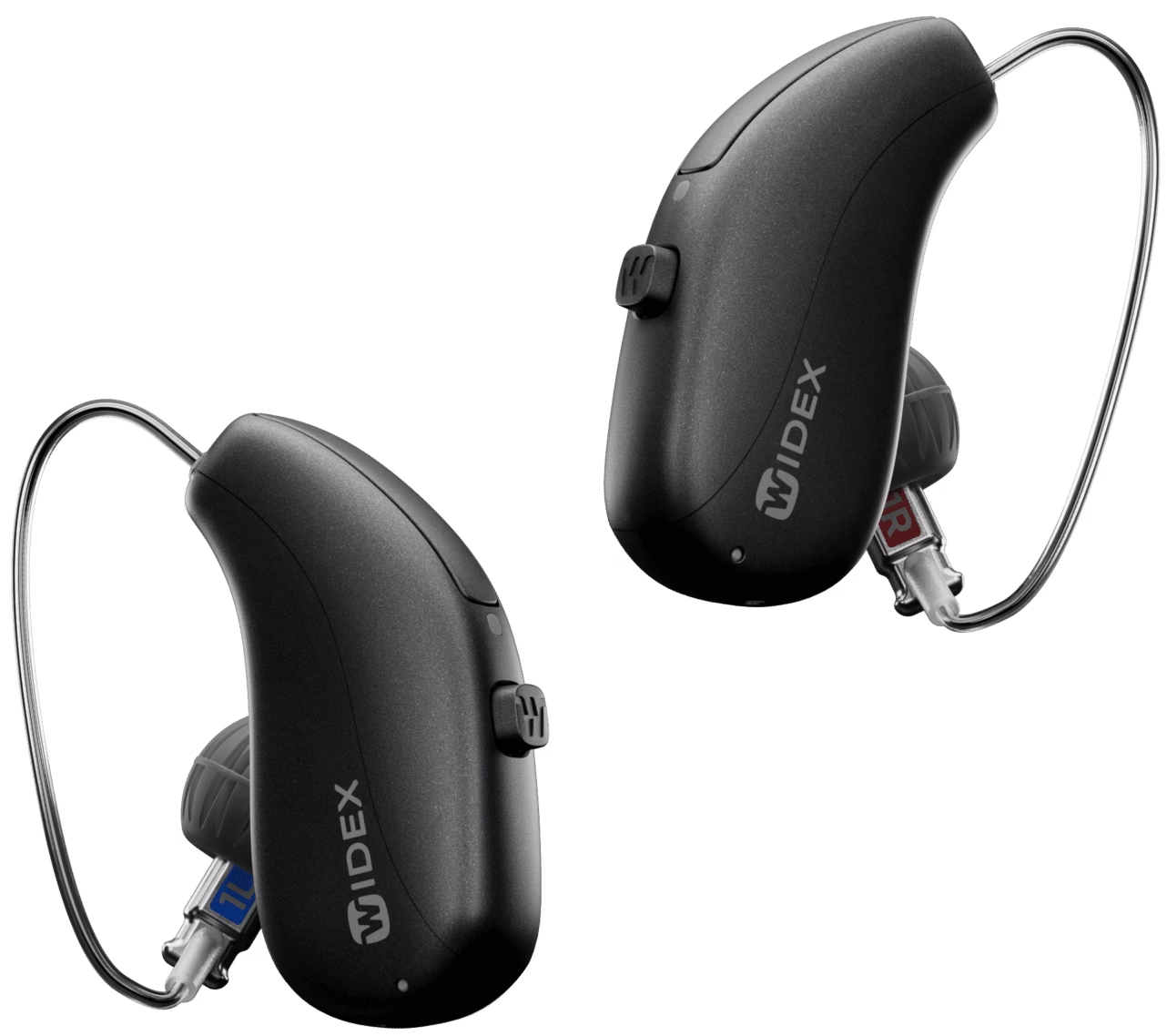
Categories
Health & Wellness Hearing Loss

Presbycusis: Understanding Age-Related Hearing Loss

Last Updated on 19/04/2025 by Admin

Uncovering the Fundamental Causes Behind Presbycusis

Understanding the Role of Genetic Factors in Hearing Loss

Genetic predisposition significantly influences the development of presbycusis, which is widely recognised as age-related hearing loss. Extensive research has shown that certain hereditary characteristics can render specific individuals more vulnerable to this condition. Familial trends in hearing impairment often emerge, indicating that particular genes directly affect auditory functionality. For example, genetic disorders like otosclerosis, which involves the abnormal growth of bone in the middle ear, can greatly hinder hearing abilities. In addition, genetic variations that play a crucial role in cellular upkeep and repair may also dictate the pace at which the auditory system deteriorates, leading to more profound hearing loss among those with a genetic predisposition.

As we further investigate this matter, the complex interplay between environmental influences and genetic predispositions becomes increasingly relevant. Individuals with a family history of hearing loss should prioritise their auditory health actively. Regular hearing screenings are vital for the early detection of any changes, empowering individuals to implement proactive strategies, including lifestyle changes, to lower their risks. Furthermore, genetic counselling can be immensely beneficial, furnishing insights into the likelihood of developing presbycusis and guiding individuals toward informed health decisions throughout their ageing journey.

Understanding the Impact of Environmental Noise on Hearing Health

The everyday sounds that envelop us can have an intense and enduring effect on our hearing health, significantly contributing to the onset of presbycusis. Prolonged exposure to loud noises, whether from work settings like factories or leisure activities such as concerts and motorsports, can accelerate hearing degradation. The cumulative impact of these sounds is particularly harmful to the delicate hair cells located in the inner ear, resulting in noise-induced hearing loss that exacerbates the natural decline associated with ageing.

Research indicates that even moderately loud environments, when experienced consistently over extended periods, can contribute to the auditory function decline often observed in older adults. For example, individuals who have spent years in noisy workplaces may face significant declines in their hearing abilities as they near retirement age. To safeguard against this risk, it is crucial for individuals to employ hearing protection in loud environments and adopt effective sound management strategies. This includes opting for quieter alternatives and reducing prolonged exposure to elevated decibel levels, ultimately preserving their hearing as they age gracefully.

How Does the Ageing Process Affect Hearing Health?

The natural process of ageing is intricately connected to modifications in auditory health, culminating in the onset of presbycusis. As individuals age, their auditory systems undergo deterioration, affecting the fragile structures within the ear responsible for sound detection. The cochlea, a spiral-shaped organ located in the inner ear, may experience degeneration of both its hair cells and supporting cells, leading to diminished hearing sensitivity and overall auditory clarity.

Moreover, age-related changes in the auditory nerve can hinder sound processing, complicating the ability to comprehend speech, particularly in noisy situations. This gradual decline frequently goes unnoticed until it disrupts daily life significantly. Therefore, ageing should not be viewed merely as a numerical figure but rather as a critical aspect of understanding auditory health. Regular consultations with audiologists can aid in monitoring any hearing changes, allowing for timely interventions and the development of effective management strategies for those affected.

Identifying the Symptoms of Presbycusis

Effective Strategies to Overcome Speech Comprehension Challenges

One of the most common symptoms of presbycusis is the increasing difficulty many individuals face in understanding speech, especially in lively or noisy environments. People often find themselves exerting substantial effort to follow conversations during social gatherings, leading to frustration and a tendency to withdraw from social interactions. This symptom is particularly pronounced in settings where background noise competes with spoken words, such as restaurants or crowded public venues.

The cognitive effort required to decipher muffled sounds can result in mental fatigue, adversely affecting overall well-being. This challenge extends beyond basic hearing difficulties, encompassing a complex interaction between auditory processing and cognitive functions. As the auditory system becomes less efficient in filtering out surrounding noise, individuals may overlook crucial conversational cues, leading to misunderstandings or the frequent need to ask for repetitions from others.

This symptom can profoundly impact social interactions and personal relationships, often culminating in feelings of isolation. Friends and family may express frustration, unaware of the challenges faced by those with presbycusis. To tackle this issue, individuals experiencing these difficulties should communicate openly with their loved ones and explore strategies to enhance communication, such as opting for quieter venues for discussions or employing assistive listening devices to bridge the gap.

What is the Relationship Between Tinnitus and Hearing Loss?

Alongside the struggle for clear hearing, many individuals with presbycusis also experience tinnitus, a condition marked by persistent ringing or buzzing in the ears. This condition can be distressing, complicating the challenges associated with hearing loss. Tinnitus may manifest as a continuous sound that fluctuates in intensity, often becoming more pronounced in quieter environments.

The relationship between presbycusis and tinnitus is intricate. As hearing diminishes, the brain may amplify certain frequencies, leading to the perception of sounds that do not actually exist. This phenomenon can deepen feelings of frustration, compounding the difficulties encountered in social situations and daily life. It is prudent for individuals to consult healthcare professionals to explore effective strategies for managing tinnitus, which may encompass sound therapy, mindfulness techniques, or cognitive behavioural therapy.

Understanding the connection between presbycusis and tinnitus is essential for effective management. Engaging in discussions with audiologists can provide individuals with comprehensive strategies to address both conditions, ultimately enhancing their overall quality of life and auditory health.

How to Recognise the Need for Increased Volume Levels

A clear indication of presbycusis is the noticeable requirement for increased volume levels on televisions, radios, and other audio devices. Individuals may frequently adjust settings to hear their favourite programmes or conversations clearly. This necessity for amplification serves as an unmistakable signal of declining auditory capabilities and can act as an early warning sign of presbycusis.

The psychological implications of needing higher volume can lead to feelings of embarrassment and self-consciousness in social contexts. Friends or family members may not comprehend the reasons behind the elevated settings, potentially resulting in misunderstandings. It is vital for those experiencing this symptom to acknowledge it as a natural progression of the ageing process and seek support from audiologists or hearing specialists to find suitable solutions.

Hearing aids have emerged as invaluable resources for individuals managing volume control challenges. These devices not only amplify sounds but can also be customised to suit various environments, ensuring individuals can engage in conversations and enjoy media without discomfort. Raising awareness about the importance of addressing hearing loss openly empowers individuals to seek the assistance they require, ultimately enhancing their auditory experiences and overall quality of life.

Comprehensive Diagnosis of Presbycusis

Utilising Hearing Tests for Accurate Diagnosis

The diagnostic process for presbycusis begins with thorough hearing tests, an essential element in understanding what is presbycusis and identifying individuals affected by it. Audiologists employ a series of evaluations to assess the degree of hearing loss, using tools such as pure-tone audiometry. This test measures an individual’s capacity to hear sounds at varying pitches and volumes, providing crucial data regarding the severity of hearing impairment and assisting in the formulation of a personalised management plan.

In addition to pure-tone assessments, speech audiometry is frequently performed to evaluate how effectively individuals can understand spoken language. This evaluation sheds light on the practical implications of hearing loss in daily scenarios. By analysing the results from these tests, audiologists can accurately diagnose presbycusis, differentiating it from other forms of hearing loss that may originate from medical conditions or environmental factors.

Timely and precise diagnosis is crucial. The earlier presbycusis is recognised, the more effective the intervention strategies can be. Regular screenings, particularly for those with risk factors or a family history of hearing loss, facilitate prompt action, enhancing the likelihood of favourable outcomes in managing hearing health.

Understanding the Importance of Reviewing Medical History

A vital component of diagnosing presbycusis involves a meticulous review of the patient’s medical history. Audiologists inquire about past conditions that may have impacted hearing, exposure to loud sounds, and any medications taken that could affect auditory health. This comprehensive history provides insight into risk factors that may contribute to the progression of presbycusis.

During this review, information regarding the family history of hearing loss can offer valuable clues about genetic predispositions. Additionally, chronic health conditions such as diabetes or hypertension, which can also influence hearing, are thoroughly considered. By piecing together this information, audiologists can develop a clearer understanding of an individual’s auditory health and tailor the diagnostic approach accordingly.

This personalised methodology allows for a more intricate understanding of each patient’s situation, ensuring that all potential contributing factors are meticulously addressed. Individuals are encouraged to share openly about their hearing experiences and any related medical concerns, as this transparency leads to a more accurate diagnosis and effective treatment strategies.

Conducting a Physical Examination of the Ear

A physical examination of the ear is a critical step in ruling out alternative causes of hearing loss and confirming a diagnosis of presbycusis. During this examination, audiologists inspect the ear canal and eardrum for signs of wax accumulation, infections, or structural abnormalities that may affect hearing. Identifying these issues enables healthcare providers to ascertain whether the hearing loss results from factors other than age-related changes.

This examination typically includes assessments of middle and inner ear functions, offering a comprehensive overview of auditory health. By synthesising physical findings with results from hearing tests and medical histories, audiologists can confidently diagnose presbycusis and recommend appropriate interventions.

In certain instances, further imaging studies may be necessary to investigate underlying anatomical concerns. A thorough understanding of the full spectrum of auditory health is crucial for developing a holistic treatment approach, ensuring individuals receive the care they need to maintain their hearing and overall quality of life.

Exploring Treatment Options for Presbycusis

The Transformative Benefits of Hearing Aids for Enhanced Communication

For many individuals facing the challenges of presbycusis, hearing aids provide a transformative solution. These devices amplify sounds, significantly improving communication and interaction with the surrounding world. Modern hearing aids are equipped with advanced technology, allowing customisation based on specific patterns of hearing loss and individual lifestyle preferences.

Users can take advantage of features such as directional microphones that help focus on sounds coming from a particular direction, making conversations in noisy environments more manageable. Furthermore, many hearing aids now offer Bluetooth connectivity, enabling seamless integration with smartphones and other audio devices. This technological advancement not only enhances sound quality but also allows users to conveniently manage settings through dedicated applications, ensuring optimal listening experiences.

It is imperative for individuals to undergo professional fitting and adjustments to guarantee the optimal performance of their hearing aids. Regular follow-ups with audiologists can assist in fine-tuning devices to accommodate changing hearing needs over time. By embracing hearing aids, individuals can reclaim their auditory experiences, fostering connections with loved ones and engaging more fully in social activities that enrich their lives.

Assessing Cochlear Implants as a Potential Treatment Alternative

In more severe cases of presbycusis, cochlear implants may be considered as a viable treatment option. Unlike hearing aids, which merely amplify sounds, cochlear implants bypass damaged hair cells in the inner ear by directly stimulating the auditory nerve digitally. This innovative solution is especially advantageous for individuals who derive minimal benefit from traditional hearing aids.

Candidates for cochlear implants typically undergo extensive evaluations to determine their suitability. These devices have the potential to transform lives by restoring the ability to perceive sounds, enhancing communication capabilities, and improving overall quality of life. Many recipients report significant advancements in their ability to engage in conversations, enjoy music, and appreciate environmental sounds that may have previously been lost.

The process of obtaining a cochlear implant involves both surgical and rehabilitation phases. After implantation, recipients generally engage in auditory training to adapt to the new sounds they encounter. This adjustment phase is crucial, as the brain must learn to interpret the signals conveyed by the implant. With dedicated support and training, individuals can achieve remarkable progress in their hearing capabilities.

Enhancing Listening Skills Through Auditory Training

Auditory training programmes play a vital role in managing presbycusis. These programmes assist individuals in developing skills to better comprehend and process sounds, particularly in complex listening scenarios. Through targeted exercises, participants learn to focus on specific sounds, thus enhancing their ability to discern speech amidst background noise.

Such training often incorporates interactive components, including listening exercises, speech discrimination tasks, and sound identification drills. Engaging in auditory training not only improves listening proficiency but also fosters confidence in communication. Individuals can greatly benefit from structured programmes, which may be available through audiologists, speech therapists, or community resources dedicated to enhancing auditory skills.

Incorporating auditory training into everyday life can take various forms, such as listening to audiobooks, participating in group discussions, or using specialised applications designed to enhance auditory skills. By actively engaging in these practices, individuals with presbycusis can empower themselves to regain control over their auditory experiences, ultimately enriching their interactions and improving their overall quality of life.

Maximising Sound Quality with Assistive Listening Devices

Assistive listening devices (ALDs) are indispensable tools for enhancing sound for individuals grappling with presbycusis in specific environments. These devices, which include amplified telephones, television listening systems, and personal FM systems, can significantly improve sound quality in situations where traditional hearing aids may be inadequate.

For instance, individuals may find it challenging to hear conversations on the phone or while watching television due to background noise or distance from the audio source. ALDs address these challenges by amplifying sounds directly to the user, ensuring they can engage with media and conversations without straining their hearing. Many ALDs are designed to complement hearing aids, providing additional support for those experiencing hearing loss.

When considering ALDs, it is essential to identify the specific environments in which they will be utilised. Consulting with audiologists can help individuals select the most appropriate options tailored to their lifestyles. By incorporating assistive listening devices, individuals can enhance their communication abilities, facilitating more meaningful interactions and improving experiences across various social situations.

Utilising Lip Reading and Speech Therapy for Enhanced Communication

For individuals navigating the complexities of presbycusis, lip reading and speech therapy can serve as invaluable tools. Learning to read lips enhances communication by enabling individuals to rely on visual cues to supplement their auditory information. This skill can be particularly beneficial in scenarios where hearing aids or other devices may not suffice.

Speech therapy focuses on enhancing communication skills, teaching strategies to facilitate clearer interactions with others. Therapists may work with individuals on articulation, voice modulation, and effective communication techniques. This personalised approach empowers individuals to express themselves confidently, breaking down the barriers imposed by hearing loss.

Participating in group classes or workshops can also foster a sense of community, connecting individuals with shared experiences. Engaging with peers can provide encouragement, tips, and effective strategies for communication. As individuals develop their lip reading and speech skills, they can reclaim their voices, enriching their connections and enhancing their social lives.

Proactive Strategies for Preventing Presbycusis

Implementing Effective Noise Protection Measures

Preventing presbycusis begins with awareness and proactive strategies aimed at counteracting noise exposure. Utilising ear protection in loud environments can significantly diminish the risk of hearing loss. Whether attending concerts, working in manufacturing, or engaging in recreational activities, individuals should consider using earmuffs or earplugs specifically designed to mitigate harmful sound levels.

Employers also play a pivotal role in promoting noise protection initiatives by providing resources and training for workers in high-decibel environments. Implementing sound management practices, such as creating quieter workspaces and scheduling regular breaks from noise exposure, can greatly contribute to overall auditory health.

Moreover, being mindful of personal listening habits—such as maintaining moderate volume levels on headphones and audio devices—is crucial for long-term hearing preservation. Raising awareness about the importance of noise protection empowers individuals to take charge of their auditory health, ultimately decreasing the impact of age-related hearing loss as they age.

Embracing a Healthy Lifestyle for Optimal Hearing

Maintaining a healthy lifestyle is essential for minimising the risk of presbycusis. A balanced diet rich in essential vitamins and minerals supports overall health, including auditory function. Nutrients such as omega-3 fatty acids, vitamins A, C, and E, and magnesium have been associated with improved hearing health. Incorporating these nutrients into daily meals, including leafy greens, fish, nuts, and fruits, can help counteract the effects of ageing on hearing.

Regular physical activity also plays a significant role in maintaining healthy blood circulation, which is vital for the proper functioning of the auditory system. Engaging in aerobic exercises, strength training, and even yoga can promote cardiovascular health, thereby benefiting hearing capabilities in the long term.

Additionally, managing chronic conditions such as hypertension and diabetes is crucial, as these health issues can have direct implications for hearing by affecting blood flow and nerve function. Routine check-ups with healthcare providers can ensure that individuals stay on top of their health, reducing the likelihood of developing presbycusis over time.

The Importance of Routine Hearing Assessments

In the quest to comprehend presbycusis, regular hearing assessments are paramount. Early detection of hearing loss allows for timely intervention, significantly enhancing quality of life. Audiologists advocate for routine hearing check-ups, especially for individuals over the age of 50 or those with risk factors, such as a family history of hearing loss.

During these assessments, audiologists evaluate hearing capabilities through comprehensive tests, identifying any changes in auditory function. Regular check-ups provide individuals with a clearer understanding of their hearing health and encourage proactive measures to address any decline.

By establishing a pattern of regular hearing evaluations, individuals can remain informed about their auditory health and make educated decisions regarding lifestyle modifications or treatment options. This awareness fosters a proactive approach to hearing management, promoting an environment that prioritises communication and social engagement.

Avoiding Ototoxic Medications to Protect Hearing

Certain medications, known as ototoxic drugs, can pose significant risks to hearing health, making it imperative to consider presbycusis. These medications, which include some antibiotics, chemotherapy agents, and non-steroidal anti-inflammatory drugs, have the potential to harm the auditory system, leading to hearing loss or tinnitus.

Consulting healthcare providers about the potential risks associated with prescribed medications is essential. Patients should inquire about alternatives that may not carry the same auditory risks, particularly if they have existing hearing concerns. Open communication with healthcare professionals empowers individuals to make informed choices about their treatment options, minimising potential impacts on hearing and overall health.

Moreover, educating oneself about the signs of ototoxicity promotes early detection. Patients should remain vigilant about any changes in hearing or balance during treatment, enabling timely intervention if necessary. By taking these steps, individuals can prioritise their auditory health while effectively managing other medical conditions.

Practising Effective Sound Management Techniques

Sound management practices are essential for protecting against the onset of presbycusis. Individuals should be conscious of their exposure to loud sounds and learn to recognise when volume levels exceed safe limits. Implementing strategies such as taking breaks from prolonged noise exposure can help reduce the risk of auditory system damage and its implications.

In everyday life, creating quieter environments can also mitigate risks. For example, engaging in noise-reducing activities such as reading, meditating, or pursuing hobbies that do not involve loud sounds can contribute to overall well-being. Encouraging friends and family to be mindful of their volume during conversations can create a supportive atmosphere for those experiencing hearing loss, fostering understanding and compassion.

Advocating for sound management strategies in community settings—such as schools, workplaces, and public events—can raise awareness about the significance of protecting hearing. By fostering a culture that prioritises auditory health, individuals can empower themselves and their communities to embrace proactive measures that enhance hearing health and overall well-being.

The Impact of Presbycusis on Quality of Life

Addressing Social Isolation Linked to Hearing Loss

The emotional consequences of presbycusis frequently manifest as social isolation. Many individuals experiencing hearing loss may withdraw from social situations due to the communication challenges they encounter. This withdrawal can lead to feelings of loneliness and depression, exacerbating the issue and creating a detrimental cycle that is difficult to break.

For instance, individuals may avoid gatherings where conversations are lively and fast-paced, fearing they might misunderstand or struggle to participate meaningfully. This avoidance can result in diminished social interaction, adversely affecting friendships and family dynamics. It is crucial for those affected to recognise these patterns and seek support, whether through counselling or engaging in community activities designed for individuals with hearing loss.

Moreover, fostering understanding among friends and family members can help create a supportive environment. Encouraging loved ones to practice patience and actively engage in conversations can alleviate some of the stress associated with hearing loss. By dismantling the barriers created by presbycusis, individuals can reclaim their social lives, ultimately enhancing their overall well-being and quality of life.

Evaluating the Emotional Effects of Hearing Loss

Struggling with presbycusis can profoundly affect emotional well-being. The frustration arising from communication hurdles often results in heightened anxiety and feelings of inadequacy. Individuals may feel embarrassed when they cannot hear or understand conversations, causing distress in social contexts and interactions.

These emotional challenges can further contribute to depression and diminished self-esteem, making it essential for individuals to seek help when necessary. Engaging in support groups, therapy, or community resources can provide individuals with the tools needed to cope with the difficulties associated with hearing loss. Sharing experiences with others facing similar struggles fosters a sense of belonging and understanding.

In addition to seeking support, developing coping mechanisms can promote emotional health. Practising mindfulness, exploring hobbies, or participating in physical activities can encourage a positive mindset. By taking a holistic approach to emotional well-being, individuals can navigate the challenges posed by presbycusis more effectively, ultimately improving their quality of life and mental health.

Managing Daily Activities Amid Hearing Loss Challenges

The effects of presbycusis extend into daily activities, significantly impacting individuals’ abilities to engage in routine tasks. Simple actions such as watching television, making phone calls, or participating in group conversations can become challenging due to hearing difficulties.

Individuals may frequently request others to repeat information or struggle to follow conversations, leading to frustration and exhaustion. These challenges can deter individuals from participating in enjoyable activities, underscoring the need for implementing strategies that facilitate engagement and inclusion.

For instance, utilising assistive devices like amplified telephones or TV listening systems can alleviate some of these challenges, enabling individuals to enjoy media and communicate effectively. Encouraging family and friends to participate in activities that promote open communication can also enhance daily experiences, ensuring that individuals with presbycusis feel included and valued in their social and family circles.

Overcoming Communication Barriers Associated with Presbycusis

Navigating communication challenges is a significant aspect of presbycusis. Misunderstandings can frequently occur, leading to confusion and strained relationships. The effort required to engage in conversations can be overwhelming, particularly in noisy environments or settings where multiple people are speaking simultaneously.

To address these challenges, individuals are encouraged to implement effective communication strategies. This may include selecting quieter environments for discussions, facing the speaker to enhance lip reading, and ensuring clear speech without excessive background noise. Additionally, maintaining open dialogue with friends and family regarding hearing loss can foster greater understanding and patience.

Moreover, participating in auditory training can equip individuals with skills to navigate conversations more effectively. By emphasising strategies that promote clearer communication, those with presbycusis can enhance their interactions, ultimately improving their relationships and overall quality of life as they learn to cope with the challenges of hearing loss.

Frequently Asked Questions About Presbycusis

What is presbycusis and how does it manifest?

Presbycusis refers to age-related hearing loss experienced by many older adults, characterised by a gradual decline in hearing ability, particularly in comprehending speech and distinguishing sounds amidst noisy environments.

Who is most at risk for developing presbycusis?

Individuals aged 50 and above are most at risk for presbycusis, especially those with a family history of hearing loss, exposure to loud noise, or specific medical conditions that impact auditory health.

What factors contribute to the development of presbycusis?

The primary contributors to presbycusis encompass genetic factors, exposure to environmental noise, and the natural ageing process. Each of these factors contributes to the gradual deterioration of hearing over time and its associated challenges.

How is presbycusis diagnosed effectively?

The diagnosis of presbycusis involves a series of hearing tests conducted by audiologists, a thorough review of medical history, and a physical examination of the ear to eliminate other potential causes of hearing loss.

What treatment options are available for individuals with presbycusis?

Treatment options for presbycusis include hearing aids, cochlear implants, auditory training programmes, assistive listening devices, and speech therapy, each tailored to meet the individual’s specific needs and circumstances.

Can presbycusis be prevented or mitigated?

While it may not be entirely preventable, strategies such as protecting against noise exposure, maintaining a healthy lifestyle, and undergoing regular hearing assessments can significantly diminish the risk of developing presbycusis.

What emotional challenges are associated with presbycusis?

Presbycusis can lead to emotional difficulties, including feelings of social isolation, anxiety, and depression stemming from communication challenges and the frustrations linked with hearing loss.

How can individuals effectively manage communication challenges related to presbycusis?

Individuals can manage communication challenges by utilising assistive devices, selecting quieter environments for conversations, and participating in auditory training to enhance their listening skills and overall communication effectiveness.

What role do assistive listening devices play in managing presbycusis?

Assistive listening devices enhance sound clarity in specific environments, enabling individuals with presbycusis to communicate more effectively and participate in daily activities without straining their hearing.

Is there a connection between tinnitus and presbycusis?

Yes, tinnitus often accompanies presbycusis, presenting as ringing or buzzing in the ears, which can amplify the challenges of hearing loss and impact overall quality of life significantly.

Explore our world on X!

The post Presbycusis: Understanding Age-Related Hearing Loss appeared first on The Microsuction Ear Wax Removal Network.

Originally posted 2025-04-20 03:13:16.

The post Presbycusis: A Guide to Age-Related Hearing Loss appeared first on Healthcare Marketing Service.
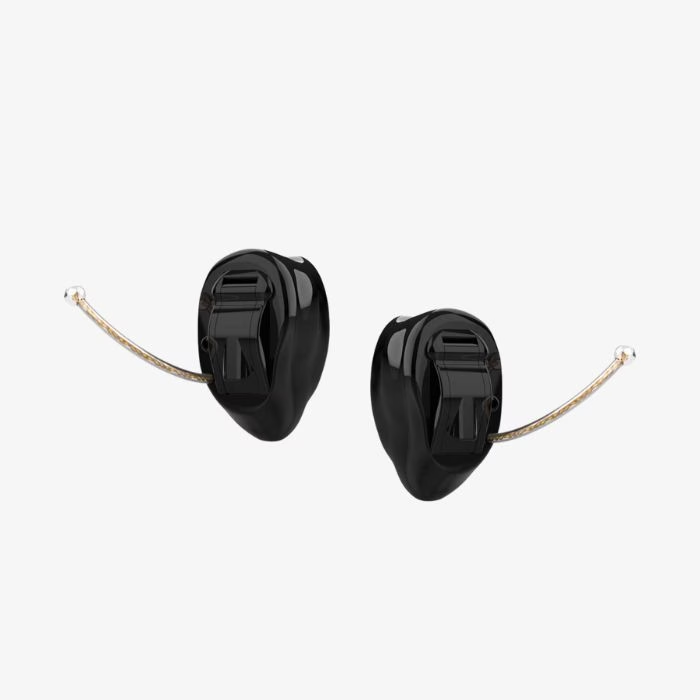
Categories
Ear Health Health & Wellness

Eustachian Tube Dysfunction: Key Signs to Recognise

Last Updated on 18/04/2025 by Admin

Identify the Essential Symptoms of Eustachian Tube Dysfunction

Understanding Ear Pressure Sensations and Their Health Consequences

A person at high altitude feeling intense ear pressure, like a balloon about to burst, with a blocked sensation.

Experiencing ear pressure can be akin to the sensation of a balloon that is overly inflated and on the verge of bursting—an incredibly uncomfortable feeling that can be distracting and distressing. This sensation, often described as a blockage or fullness in the ear, frequently indicates a case of eustachian tube dysfunction. Visualise ascending to a high altitude, where the pressure builds in your ears; this scenario effectively illustrates the characteristics of ear pressure. Such sensations are commonly encountered during air travel, scuba diving, or even during seasonal changes when fluctuations in weather impact atmospheric pressure.

This discomfort is not simply an annoyance; it can significantly interfere with your daily activities and diminish your overall quality of life. Activities such as swimming or flying may become overwhelming if each elevation change elicits uncomfortable pressure in your ears. Failing to address this symptom may lead to more serious complications, including pain and alterations in your hearing ability, creating a cycle of discomfort that can disrupt your daily life.

Successfully managing ear pressure is crucial for sustaining comfort and optimal health. One straightforward yet effective technique to alleviate this sensation is to yawn or swallow, as these actions assist in facilitating the function of the eustachian tube, promoting effective pressure equalisation. By being mindful of ear pressure, you can take proactive steps before it escalates into a more significant issue, enabling you to sustain your quality of life and engage in daily activities without distraction.

Recognising and Acting on Ear Pain Effectively

Ear pain can present as a sharp stab or a persistent dull ache, often signalling a deeper underlying condition that warrants attention. If you have experienced ear pain that worsens with altitude changes, it is a classic sign of eustachian tube dysfunction. Consider ear pain as your body’s urgent signal for attention—an indication that something may not be right. Whether originating from a cold, allergies, or an infection, this discomfort can intrude upon your peace of mind, turning enjoyable moments into challenging experiences. Thus, it is vital to address these signals promptly.

Imagine standing at a scenic vista, eager to enjoy a breathtaking sunset, only to be abruptly interrupted by sudden ear pain as you rise in altitude. Such discomfort can be incredibly frustrating, with effects that ripple beyond the immediate moment, disrupting your sleep, diminishing your concentration, and straining your communication with others.

Bridging the gap between awareness and action is essential. If you experience persistent or acute ear pain, do not disregard it; seek medical assistance. Addressing this symptom early can prevent further complications, allowing you to enjoy your daily life without the burden of pain and ensuring you remain engaged and active in your everyday pursuits.

Recognising Hearing Changes as a Critical Warning Sign

Have you ever found yourself in a crowded setting, only to notice that everyone around you seems to be speaking in hushed tones? Changes in hearing, such as temporary hearing loss or muffled sounds, serve as critical indicators of eustachian tube dysfunction. You may not fully grasp the importance of your hearing until you begin to notice these fluctuations, which can be alarming and disorienting.

These auditory changes can often be alleviated through actions like yawning or swallowing, which help to equalise pressure in the ear. Think of it as resetting your auditory system. However, when these changes become frequent or persistent, they can lead to feelings of isolation and frustration. Imagine navigating social interactions while struggling to comprehend conversations; this is the impact that hearing changes can have on your social life, work, and family dynamics, resulting in a significant emotional toll.

Staying alert to any shifts in your hearing can facilitate early detection of potential underlying issues. Whether triggered by an allergy flare-up or a common cold, understanding how these changes affect your ear health can promote more proactive care. Tune into your body’s signals—clearer hearing can enhance your connection with the world around you, enabling you to fully engage in life’s experiences.

Understanding the Daily Life Disruptions Caused by Tinnitus

A distressed person in a quiet room with abstract sound waves representing tinnitus disrupting focus and sleep.

Are you noticing unexpected ringing, buzzing, or hissing sounds in your ears? Welcome to the world of <a href=”https://www.earwaxremoval.net/weather-changes-and-their-impact-on-ear-pressure-a-guide/”>tinnitus</a>—a prevalent yet often misunderstood condition that frequently signifies eustachian tube dysfunction. Whether the sound is constant or intermittent, it can be disconcerting and distracting, diverting your focus from conversations, music, or even the calming sounds of nature.

Tinnitus often accompanies other symptoms like ear pressure and hearing changes, as if your ear is trying to communicate despite the noise obscuring its message. The effects of this condition extend beyond auditory disturbances; it may result in heightened anxiety, difficulty concentrating, and disrupted sleep patterns, creating a challenging cycle of discomfort that can be overwhelming.

However, understanding tinnitus can empower you on your path to relief. Consider exploring methods to alleviate the persistent ringing or buzzing, whether through relaxation techniques, sound therapies, or professional evaluations. Tinnitus need not be a lifelong burden. Early recognition and intervention can pave the way for an improved quality of life, allowing you to once again appreciate the beautiful sounds that life has to offer.

Common Conditions That Often Co-occur with Eustachian Tube Dysfunction

Examining How Allergies Can Affect Eustachian Tube Function

Allergies can often feel like an unwelcome intruder that disrupts your well-being, wreaking havoc on your eustachian tube and leading to dysfunction. When discussing eustachian tube dysfunction, allergies frequently take centre stage, highlighting the intricate connections between our bodily systems and their overall health.

Imagine relishing a beautiful spring day outdoors, only to be thwarted by relentless sneezing and nasal congestion. This nasal congestion can obstruct the eustachian tube, resulting in uncomfortable pressure and even ear pain. What should be joyful experiences—like blooming flowers or a delightful picnic—might transform into sources of distress, underscoring the significant impact of allergies on your well-being.

Effectively managing allergies is essential for preventing the onset of eustachian tube dysfunction. Strategies may include over-the-counter antihistamines, nasal sprays, or avoiding known allergens. By addressing these triggers, you can preserve your ear health and overall comfort. Adopting a proactive approach to managing allergies can significantly enhance your enjoyment of life’s moments without the looming threat of ear troubles.

Examining the Effects of Upper Respiratory Infections on Eustachian Tube Function

Have you ever felt that overwhelming sensation when you catch a cold, and your entire world seems turned upside down? Upper respiratory infections, such as the common cold or flu, are notorious for causing swelling and mucus accumulation that can severely affect the eustachian tube. In discussions about eustachian tube dysfunction, these infections frequently emerge as primary culprits behind unexpected ear problems.

Picture this scenario: you’re moving through the winter months, only to be struck down by a bothersome cold. The congestion builds, pressure mounts, and before long, you’re grappling with ear pain in addition to the usual symptoms of a runny nose and fatigue. It creates a cascading effect—one health challenge leading to another. The congested nasal passages can block the eustachian tubes, creating an unpleasant cycle that may linger for weeks.

Focusing on prevention—such as practising good hygiene, staying hydrated, and receiving vaccinations—can significantly reduce your risk of upper respiratory infections and their adverse effects on your ear health. If you do find yourself feeling unwell, prioritising rest and recovery can help minimise the chances of developing eustachian tube dysfunction. Remember, a little attentiveness can dramatically enhance your recovery journey and overall health.

Understanding the Link Between Chronic Sinusitis and Eustachian Tube Dysfunction

Chronic sinusitis, characterised by ongoing inflammation of the sinuses, can play a significant role in eustachian tube dysfunction. When your sinuses are inflamed, they can lead to persistent nasal congestion, resulting in complications that adversely impact the eustachian tube’s operation and your overall ear health.

Imagine living with the dull ache of chronic sinus pressure. It extends beyond mere discomfort; it infiltrates every aspect of your daily life. Whether you’re at work, home, or out enjoying the day, chronic sinusitis can weigh heavily on your experience. The swelling and mucus accumulation can obstruct the eustachian tube, resulting in feelings of fullness in the ears and even fluctuating hearing, affecting your quality of life.

Managing chronic sinusitis requires a comprehensive approach. Utilising nasal rinses, medications that reduce inflammation, and consulting healthcare professionals for personalised treatment plans can significantly enhance your ear health. By addressing the underlying causes of your sinus issues, you can empower yourself to navigate daily challenges without the persistent burden of sinus-related ear problems, leading to a more fulfilling life.

Comprehensive Diagnostic Approaches for Eustachian Tube Dysfunction

The Importance of a Thorough Physical Examination for Eustachian Tube Dysfunction

Imagine walking into a doctor’s office, where the initial step includes a thorough physical examination of your ears. This process is not merely a routine check-up; it is a crucial part of recognising signs of eustachian tube dysfunction. A comprehensive ear examination serves as the starting point for understanding your ear health, enabling healthcare professionals to assess for fluid accumulation, retraction, or other concerning indicators.

During the examination, your doctor will utilise specialised tools to inspect your ear canal, looking for any irregularities. The presence of fluid in the middle ear may suggest dysfunction, akin to identifying a leaky faucet that requires attention. By recognising these issues early on, you can take proactive steps to address them, preventing further complications down the line and ensuring your ears remain healthy.

Being informed about what to expect during a physical examination can alleviate any apprehensions. Understanding that this simple yet vital step can lead to clearer insights about your ear health is essential. Knowledge transforms anxiety into empowerment, and proactively managing your ear health is a choice worth making for your overall well-being.

Utilising Tympanometry for In-Depth Evaluation of Ear Health

Imagine undergoing a test that measures the movement of your eardrum—tympanometry serves this precise purpose! This innovative diagnostic tool plays a pivotal role in assessing middle ear function and pressure, making it essential for eustachian tube dysfunction. It’s a straightforward, painless procedure that can yield invaluable information about your ear health and overall functioning.

During tympanometry, a device is positioned in your ear canal to create variations in air pressure. The response of your eardrum provides insights into whether fluid is present in the middle ear or if the eustachian tube is functioning correctly. Consider it akin to tuning into the delicate symphony of your ear’s mechanics—every movement tells a compelling story about your ear health.

Understanding the results of tympanometry can guide you and your healthcare provider in determining the next steps for treatment. If the test indicates dysfunction, it opens the door to exploring tailored strategies for relief and improvement. This test is more than just data; it serves as a key to unlocking a path toward clearer hearing and enhanced comfort in your life.

Visualising Eustachian Tube Function with Nasopharyngoscopy

While the thought of visualising the nasopharynx may seem intimidating, nasopharyngoscopy is a revolutionary method for recognising signs of eustachian tube dysfunction. This diagnostic technique involves inserting a small camera through the nose to examine the nasopharynx, which is crucial for the function of the eustachian tube and overall ear health.

Imagine your doctor skillfully navigating through a narrow pathway that connects the nasal passages to the throat. By identifying any structural issues that may affect the eustachian tube, healthcare providers can develop targeted treatment plans that cater to your specific needs. Whether it pertains to anatomical abnormalities or inflammation, this examination offers rich details that can guide your care and improve your overall ear health.

While the concept of having a camera inserted through your nose may appear daunting, understanding that this procedure is designed to assist you can serve as a powerful motivator. It’s about uncovering the hidden layers of your health to empower you on your journey toward relief. The clarity gained from nasopharyngoscopy can be invaluable, facilitating informed decisions and proactive management of eustachian tube dysfunction.

Audiometry: Assessing Your Hearing Health Effectively

Picture yourself stepping into a sound booth, a tranquil environment where you can fully engage with your auditory experience. Audiometry is a hearing test that evaluates your ability to hear sounds, making it a vital component in recognising signs of eustachian tube dysfunction. This test helps distinguish between various types of hearing loss, including conductive hearing issues linked to eustachian tube problems, providing critical insights into your auditory health.

During the audiometry test, you’ll listen to a series of tones through headphones, responding as you hear them. It’s akin to a musical game, but the stakes are high—your hearing health is at risk. The results deliver essential insights into whether your hearing challenges stem from eustachian tube dysfunction or another underlying issue, guiding your treatment plan and approach to care.

Understanding your audiometry results can empower you to take charge of your hearing health. Armed with this knowledge, you can collaborate with your healthcare provider to explore treatment options, making informed decisions that align with your unique needs. Your hearing is invaluable, and audiometry is a crucial step toward preserving it and enhancing your quality of life.

Utilising Imaging Studies for Comprehensive Diagnosis of Eustachian Tube Dysfunction

When diagnosing eustachian tube dysfunction, sometimes a visual can be worth a thousand words. Imaging studies, including CT or MRI scans, can visualise the eustachian tube and surrounding structures, providing a detailed look at potential anatomical abnormalities. These studies act as a magnifying glass, revealing insights that may not be apparent through other diagnostic methods, thereby informing your treatment decisions.

Imagine having the ability to peer inside your body without invasive procedures—this is the power of imaging studies. By analysing these images, healthcare providers can identify structural issues that might contribute to dysfunction. Grasping the bigger picture allows for tailored treatment plans that address not only symptoms but also the root causes of your ear troubles, leading to more effective management of your condition.

While the thought of undergoing imaging studies may seem daunting, remember that this step can be a significant leap toward uncovering the truth about your ear health. Embracing this technology enables you to navigate your journey with confidence, ensuring you have the tools and knowledge to advocate for your well-being and make informed decisions regarding your health.

How Eustachian Tube Dysfunction Affects Everyday Life

Conquering Concentration Challenges Linked to Hearing Difficulties

Imagine sitting in a bustling café, surrounded by the chatter of conversation, yet you find it challenging to focus. Hearing difficulties stemming from eustachian tube dysfunction can create significant obstacles in concentration, affecting your ability to engage in discussions or fully appreciate the sounds of life. This isn’t merely an inconvenience; it can profoundly influence your work performance, social interactions, and overall well-being, creating a barrier between you and the world around you.

When your ears are not functioning optimally, it can feel as though you’re living in a muffled world. This auditory strain may lead to frustration and fatigue as you struggle to piece together conversations and sounds. The ripple effect can permeate every aspect of your life—from missing out on critical discussions at work to feeling isolated within social settings, ultimately impacting your mental health and emotional state.

Implementing strategies to manage hearing difficulties can help restore your sense of clarity. Options like utilising hearing aids, participating in auditory training, or collaborating with a speech therapist can empower you to fully engage in life once more. Recognising the impact of eustachian tube dysfunction on your concentration is the first step toward discovering solutions that can transform your everyday experience, enabling you to reconnect with those around you.

Tackling Sleep Disturbances Associated with Ear Pain

Picture yourself lying in bed, tossing and turning, as persistent ear pain disrupts your much-needed rest. Sleep disturbances caused by eustachian tube dysfunction can significantly affect your quality of life, leading to fatigue and irritability. A restful night’s sleep is essential for maintaining overall health, and when ear discomfort intrudes, it can create a challenging cycle of exhaustion that is difficult to break, affecting your daily interactions and overall mood.

The relationship between ear pain and sleep is profound. When discomfort arises, it becomes increasingly challenging to relax, resulting in restless nights. The repercussions extend beyond the night; the following day can feel like a fog, impairing your ability to focus and interact with others effectively. This cycle often spirals out of control if left unaddressed, compounding the issues you face in your daily life.

Empowering yourself with strategies for managing ear pain can be transformative. Simple techniques, such as applying warm compresses or elevating your head while sleeping, can alleviate discomfort and promote better rest. Seeking medical advice for persistent symptoms can also help you find personalised solutions for lasting relief. Prioritising your ear health is essential for reclaiming restful nights and enhancing your overall quality of life, allowing you to wake up refreshed and ready to engage with the world.

Overcoming Communication Challenges Caused by Hearing Difficulties

Every conversation is a delicate dance, a beautiful exchange of ideas and emotions. But what happens when eustachian tube dysfunction leads to muffled hearing? Communication challenges can arise, creating barriers in both social and professional interactions. It’s more than just missing words; it’s about feeling disconnected from those around you, leading to feelings of frustration and isolation.

Imagine striving to engage in a heartfelt conversation, only to find yourself constantly straining to catch what’s being said. This can lead to frustration—not just for you, but also for those conversing with you. The social repercussions can be significant, potentially resulting in misunderstandings and discomfort within relationships, which can further exacerbate your feelings of isolation.

Fostering open lines of communication regarding your hearing difficulties is crucial. Informing friends, family, and coworkers about your challenges can cultivate an environment of understanding and support. Employing tools such as written communication or visual aids can further enhance your interactions. The key lies in acknowledging how eustachian tube dysfunction affects your ability to connect and taking proactive measures to bridge those gaps, thereby strengthening your relationships and promoting a sense of belonging.

Exploring Effective Treatment Options for Eustachian Tube Dysfunction

How Decongestants Can Offer Symptomatic Relief

Feeling as though your head is engulfed in fog? Decongestants might just be the solution you need for clearing the air—both literally and figuratively. These medications work to reduce nasal congestion, allowing the eustachian tube to function more effectively and relieving symptoms associated with eustachian tube dysfunction. By alleviating that blocked sensation, decongestants can provide the much-needed relief from discomfort that interferes with your daily life.

Think of decongestants as a rescue team for your nasal passages. They can relieve the pressure that builds up due to allergies or colds, facilitating optimal eustachian tube function. However, it’s essential to use these medications judiciously, as overuse can lead to rebound congestion, worsening the situation in the long term and creating a cycle of dependency that can be challenging to break.

Consulting with a healthcare provider about suitable decongestant options can assist you in navigating your treatment journey. Whether you opt for oral medications or nasal sprays, understanding how these treatments function can empower you to make informed decisions regarding your ear health. Embrace the clarity that comes from knowing your options and taking proactive steps toward relief, ensuring your well-being.

The Role of Nasal Steroids in Managing Symptoms

Consider nasal steroids as the soothing balm for your inflamed nasal passages. These sprays work to reduce inflammation, enabling the eustachian tube to operate optimally. In the context of eustachian tube dysfunction, nasal steroids play a vital role in managing symptoms associated with allergies and sinus issues, providing significant relief from discomfort.

Imagine applying a gentle mist into your nose, alleviating the irritation caused by allergies or chronic sinusitis. This can help relieve pressure that builds up and hinders the proper functioning of your eustachian tube. By diminishing inflammation, nasal steroids can pave the way for improved ear health and overall comfort, allowing you to engage more fully in daily activities.

Before starting nasal steroid treatment, it’s wise to consult with a healthcare professional. They can provide guidance on how to use these medications effectively and monitor your progress. Embracing this treatment option can lead to a significant reduction in symptoms, enabling you to reclaim your daily activities with renewed energy and enthusiasm, improving your overall quality of life.

Empowering Yourself with Eustachian Tube Exercises

Do you think you have no control over eustachian tube dysfunction? Think again! Eustachian tube exercises can serve as your secret weapon in managing discomfort and enhancing ear function. From yawning to the Valsalva manoeuvre, these techniques are designed to promote pressure equalisation and alleviate the bothersome symptoms associated with eustachian tube dysfunction, allowing you to take an active role in your ear health.

Consider the simple act of yawning. It’s not just a reflex; it’s a natural way to open the eustachian tube and balance pressure. Regularly practising this technique can help keep those tubes clear and functioning smoothly. The Valsalva manoeuvre, which involves pinching your nose and gently blowing, can also encourage pressure equalisation. While it may feel a bit strange initially, it’s a powerful tool in your ear health toolkit that can yield significant benefits.

Incorporating these exercises into your daily routine can lead to substantial improvements over time. They can be particularly beneficial during altitude changes or when experiencing symptoms. With practice and awareness, you can empower your ears to function better and effectively reduce discomfort, enhancing your overall quality of life.

Proactive Strategies to Prevent Ear Health Complications

Implementing Effective Techniques for Allergy Management

Allergies may seem like an insurmountable challenge, but effective management is your best ally in preventing eustachian tube dysfunction. Taking control of your allergies through medication or avoidance strategies can help you breathe more easily and protect your ear health, ultimately enhancing your overall quality of life.

Imagine waking up in spring, eager to smell the flowers, only to be thwarted by relentless sneezing. By identifying your specific allergens—whether pollen, dust mites, or pet dander—you can tailor your environment to minimise exposure. Investing in high-quality air filters, regularly washing bedding, and practising sound hygiene can create a protective barrier against triggers, allowing you to enjoy the season without the burden of allergy symptoms.

Don’t underestimate the power of medication, either. Antihistamines and nasal sprays can be transformative, providing relief from symptoms that could lead to eustachian tube dysfunction. Consulting with a healthcare provider can help you develop a personalised treatment plan that suits your needs and lifestyle. By proactively managing your allergies, you can safeguard your ear health and reclaim the joy of everyday experiences without discomfort or distraction.

The Importance of Quitting Smoking for Improved Ear Health

What if I told you that quitting smoking could protect your ears? Smoking and secondhand smoke are notorious irritants that can cause inflammation in the nasal passages, leading to eustachian tube dysfunction. Stepping away from this harmful habit is a critical step toward preserving your ear health and overall well-being.

Picture yourself walking through a park, inhaling fresh air, free from the constraints of smoke. The benefits of quitting extend well beyond your lungs; your ears will express their gratitude, too! Reducing irritation in your nasal passages can lead to fewer instances of congestion and dysfunction, fostering a healthier environment for your eustachian tubes to thrive and improving your quality of life.

Support is essential on this journey. Whether it’s seeking professional help, joining support groups, or utilising cessation aids, every step counts. Empowering yourself to quit smoking is not just about health; it’s about embracing a life filled with clearer sounds, better communication, and enriched experiences that enhance your overall happiness.

Practising Good Hygiene to Prevent Ear Infections

Maintaining good hygiene is your frontline defence against upper respiratory infections that can lead to eustachian tube dysfunction. Regular handwashing, avoiding close contact with sick individuals, and practising respiratory etiquette can empower you to stay healthy and protect your ears from potential complications.

Imagine navigating through a crowded market, aware of the people around you. By prioritising good hygiene, you can significantly reduce your risk of contracting colds or flu that can trigger eustachian tube issues. Emphasising handwashing, especially during cold and flu seasons, can make a world of difference in your overall health and immunity.

Additionally, maintaining a healthy lifestyle through proper nutrition and hydration can bolster your immune system. The stronger your body, the better equipped it is to fend off infections. By embracing good hygiene practices, you are not merely protecting your ears; you are investing in your overall well-being and future health.

Recognising When to Seek Medical Assistance for Ear Concerns

Act Promptly for Persistent Symptoms of Eustachian Tube Dysfunction

If you’ve been grappling with symptoms for two weeks or longer, it’s time to raise the alarm for help. Persistent symptoms of eustachian tube dysfunction can indicate an underlying issue that necessitates medical attention. Rather than waiting for discomfort to escalate, proactively seeking help is your best strategy for recovery and maintaining your health.

Imagine struggling with ear pain, pressure, and hearing changes without any relief. Instead of allowing this cycle to continue, take the initiative to consult a healthcare provider. A thorough evaluation can lead to customised treatment plans that guide you toward relief and improved ear health, empowering you to regain control over your daily activities.

Recognising the importance of timely intervention can transform your experience. By advocating for your health, you take control of your well-being and future. Don’t hesitate—reaching out for medical help could be the turning point you need to reclaim your daily life and enhance your quality of life.

Addressing Severe Pain as a Medical Emergency

Severe ear pain serves as your body’s alarm system. If you experience intense ear discomfort or sudden hearing loss, it’s crucial to seek immediate medical attention. These symptoms can signify serious underlying issues that require prompt evaluation and treatment to prevent further complications.

Imagine living in a world where ear pain disrupts your comfort and joy. The urgency of seeking help cannot be overstated. Allowing severe symptoms to persist may lead to complications that could have been avoided with timely intervention, impacting your quality of life in the long run.

When faced with severe pain, prioritise your health. Reach out to a healthcare provider who can guide you through necessary evaluations and treatment options. Your ears are integral to your overall health, and addressing issues promptly ensures you can continue to savour the sounds of life, enhancing your overall enjoyment and well-being.

Recognising the Need for Ongoing Support and Care

When it comes to eustachian tube dysfunction, recognising the signs is only part of the equation. The other half is understanding when to seek help. If you encounter repeated episodes of dysfunction, it’s essential to consult with a healthcare provider. By addressing the root cause together, you can work toward a healthier future and improved ear health.

Embrace your ear health journey with confidence. Navigating the complexities of eustachian tube dysfunction can be challenging, but the right knowledge and support can make a world of difference. Empower yourself to take action, ensuring your ears remain a source of joy and connection in your life, fostering a sense of well-being and belonging.

Frequently Asked Questions About Eustachian Tube Dysfunction

What Symptoms Indicate Eustachian Tube Dysfunction?

Common symptoms include ear pressure, pain, alterations in hearing, and tinnitus. Early recognition of these signs can lead to more effective management and treatment options, ensuring better outcomes.

How Do Allergies Impact the Eustachian Tube?

Allergies can induce nasal congestion and inflammation, blocking the eustachian tube and resulting in dysfunction. Managing allergies is vital for maintaining ear health and preventing complications.

What Diagnostic Methods Are Used for Assessing Eustachian Tube Dysfunction?

Diagnostic methods include physical examinations, tympanometry, nasopharyngoscopy, audiometry, and imaging studies, each providing valuable insights into ear health and function.

What Effects Does Eustachian Tube Dysfunction Have on Daily Life?

It can lead to difficulties in concentration, sleep disturbances, and challenges in communication, significantly affecting overall quality of life and emotional well-being.

What Treatment Options Are Available for Eustachian Tube Dysfunction?

Available treatment options encompass decongestants, nasal steroids, and eustachian tube exercises, all tailored to alleviate symptoms and enhance function, improving your quality of life.

How Can I Prevent Eustachian Tube Dysfunction?

Prevention strategies involve managing allergies, quitting smoking, and maintaining good hygiene to reduce the risk of infections affecting ear health and function.

When Should I Seek Medical Help for Ear Issues?

Seek medical assistance if symptoms persist for more than two weeks, if you experience severe pain, or if you notice sudden hearing loss, as these can indicate serious conditions.

Can Eustachian Tube Dysfunction Resolve on Its Own?

In some instances, mild symptoms may resolve without intervention. However, persistent or severe issues typically require medical evaluation and treatment for effective management.

Are There Exercises That Can Assist with Eustachian Tube Dysfunction?

Yes, exercises such as yawning, swallowing, and the Valsalva manoeuvre can help equalise ear pressure and improve eustachian tube function, providing symptomatic relief.

What Lifestyle Changes Can Support Ear Health?

Implementing allergy management, quitting smoking, and practising good hygiene can significantly bolster ear health and prevent eustachian tube dysfunction, ensuring well-being.

Explore our world on X!

The post Eustachian Tube Dysfunction: Key Signs to Recognise appeared first on The Microsuction Ear Wax Removal Network.

Originally posted 2025-04-19 03:10:13.

The post Eustachian Tube Dysfunction: Recognising the Key Signs appeared first on Healthcare Marketing Service.
Categories
Health & Wellness Medical Services

Medical Billing & Coding: Collaborating with Transcription Services

Medical billing and coding serve as two fundamental pillars within the healthcare industry, functioning in a closely interconnected and mutually beneficial framework. Medical coding entails the precise allocation of unique codes to various medical diagnoses and procedures, while medical billing focuses on the systematic process of submitting and tracking claims for reimbursement. Together, these vital functions ensure comprehensive documentation, appropriate compensation, and the efficient operation of healthcare systems, thus significantly contributing to the overall effectiveness and quality of the healthcare landscape.

This article explores the intricate relationship between medical billing and coding, examining their essential importance, the numerous processes involved, and the crucial roles they fulfil in healthcare management and operations.

Uncover the Essential Role of Medical Billing & Coding in Streamlining Healthcare Operations

The dynamic interplay between medical billing and coding is vital for the seamless functioning of a proficient healthcare system. Below are several compelling reasons that highlight the importance of these processes:

  1. Ensuring Accurate and Comprehensive Documentation: Precise coding serves as the cornerstone for confirming that the documentation of medical diagnoses, procedures, and treatments is both accurate and consistent. This standardised methodology not only enhances communication among healthcare providers, insurance companies, and regulatory bodies but also fosters an environment of trust and collaboration.
  • A meticulous approach to documentation is critical for maintaining comprehensive patient records and ensuring continuity of care. It allows healthcare providers to monitor a patient’s medical history, diagnoses, and treatments closely, ultimately leading to improved patient outcomes.
  • Additionally, consistent documentation enhances effective communication among healthcare professionals, ensuring that all parties involved in a patient’s care have access to the same vital information, thereby minimising the risk of errors and misunderstandings.
  1. Maximising Reimbursement for Healthcare Providers: Accurate coding is intrinsically linked to ensuring fair reimbursement for healthcare providers. Medical coders play a pivotal role in assigning the appropriate codes that guarantee maximum reimbursement for the diverse services offered by healthcare professionals, thereby supporting the financial sustainability of healthcare facilities.
  • Accurate coding guarantees that healthcare providers receive just compensation for the services rendered. It addresses concerns related to underbilling or overbilling, ensuring that healthcare services are recognised and valued appropriately.
  • Moreover, precise coding aids insurance companies in determining coverage and reimbursement rates for specific procedures, treatments, or diagnoses, thereby bolstering the financial stability of healthcare providers.
  1. Ensuring Compliance with Industry Regulations: Medical coding and billing must adhere to a multitude of regulations and guidelines, including the International Classification of Diseases (ICD), Current Procedural Terminology (CPT), and Healthcare Common Procedure Coding System (HCPCS). Compliance with these coding standards ensures the implementation of legal and ethical practices throughout the healthcare sector.
  • Adhering to established coding standards enables healthcare providers to accurately represent the diagnoses, procedures, and treatments administered to patients, fostering transparency and accountability within healthcare practices.
  • Furthermore, compliance with coding guidelines mitigates the risk of fraudulent activities, such as upcoding or unbundling, which can lead to severe legal consequences and significant financial penalties for healthcare providers.
  1. Leveraging the Power of Healthcare Analytics: The data generated from medical coding is invaluable for healthcare analytics, research, and informed decision-making. By analysing coded data, healthcare organisations can identify trends, assess treatment efficacy, and enhance patient outcomes through targeted interventions.
  • Coded data provides critical insights into the prevalence of specific diseases or conditions, enabling healthcare organisations to allocate resources effectively and develop targeted interventions that address public health needs.
  • Additionally, the analysis of coded data allows researchers to conduct studies and clinical trials, ultimately fostering advancements in medical knowledge and establishing evidence-based practices that significantly improve patient care.

An In-Depth Exploration of the Medical Coding Process

A medical coder reviewing patient documentation and codes in a well-organised office with medical resources.

Medical coding involves the transformation of medical diagnoses, procedures, treatments, and services into standardised alphanumeric codes. These codes create a universal language that can be easily understood and interpreted by healthcare professionals, insurance companies, and regulatory bodies. Below is a comprehensive overview of the coding process:

  1. Thorough Medical Documentation: Healthcare providers meticulously document patient encounters, noting diagnoses, procedures, treatments, and services rendered. This documentation serves as the foundation for accurate coding.
  • Thorough and precise medical documentation is vital for the coding process. It provides the essential information that medical coders require to assign the appropriate codes reflecting specific diagnoses, procedures, and treatments performed.
  • Documentation should include detailed descriptions of the patient’s symptoms, a comprehensive medical history, physical examination findings, test results, and treatment plans, ensuring a complete record for coding purposes.
  1. The Code Assignment Process: Medical coders carefully review the documentation and assign the correct codes based on standardised code sets such as ICD, CPT, and HCPCS. Coders must possess an extensive understanding of medical terminology, anatomy, and coding guidelines to ensure accurate code assignment.
  • Medical coders analyse the medical documentation and translate the information into specific codes. They must have a thorough understanding of coding guidelines, including the appropriate application of specific modifiers or accurately representing complex procedures.
  • The accuracy of code assignment is critical for proper reimbursement, as insurance companies rely on these codes to determine coverage and payment for healthcare services rendered.
  1. Employing Advanced Coding Software: Modern coding software tools significantly assist coders by facilitating efficient code assignment. These tools offer coding suggestions, perform error checks, and provide updates to ensure adherence to the latest coding guidelines.
  • Coding software streamlines the coding process by offering automated suggestions and prompts based on the information contained in the medical documentation. This reduces the likelihood of manual errors and enhances coding efficiency.
  • The software also ensures that coders remain up to date with the latest coding guidelines, as it continuously updates its code library and alerts coders to any changes or updates in coding practices.
  1. Implementing Rigorous Quality Assurance Checks: Following the initial code assignment, medical coding undergoes stringent quality assurance checks to ensure accuracy and compliance. Peer reviews, audits, and ongoing education contribute to maintaining coding integrity.
  • Quality assurance processes, such as peer review and audits, are essential for identifying any coding errors or discrepancies. These procedures ensure that the assigned codes align with the documented information and established coding guidelines.
  • Continuous education and training programmes for medical coders equip them with knowledge about the latest coding guidelines, industry best practices, and changes in healthcare regulations, ultimately enhancing the quality of coding.

A Comprehensive Analysis of the Medical Billing Process

While coding primarily focuses on the assignment of correct codes, medical billing centres around the financial aspects of healthcare services. Below is an overview of the medical billing process:

  1. Patient Registration Process: At the commencement of the billing process, patient information, including insurance details and demographics, is collected and entered into the billing system.
  • Patient registration serves as the first step in the billing process. It involves gathering essential information, such as the patient’s name, contact details, date of birth, insurance coverage, and primary care physician, ensuring all necessary information is documented accurately.
  • Accurate patient registration is vital for equipping the billing system with the necessary details to generate claims and facilitate effective communication with insurance companies.
  1. Claim Generation Process: Once the services are rendered and coded, medical billers generate claims that encompass coded information, patient details, and cost breakdowns. These claims are subsequently submitted to insurance companies or relevant payers for reimbursement.
  • Medical billers leverage the coded information derived from the medical coding process to create claims. These claims contain vital details such as the patient’s diagnosis, procedures performed, dates of service, and the associated costs.
  • The claim generation process necessitates meticulous attention to detail and accuracy to ensure that all relevant information is included and that the claims comply with established coding and billing guidelines.
  1. Claim Submission Process: The claims are transmitted electronically or physically to insurance companies, accompanied by the necessary supporting documentation. This step demands meticulous attention to detail, as any errors or missing information can lead to claim rejection or delayed reimbursement.
  • Medical billers submit the claims to insurance companies using electronic systems or traditional mail. The claims must be accompanied by supporting documentation, including medical records, test results, and invoices, to substantiate the services rendered.
  • Attention to detail is paramount during the claim submission process to ensure that all required information is included and that claims are submitted within specified timeframes to avoid delays.
  1. Claim Adjudication Process: Insurance companies carefully review the claims to verify medical necessity, coverage, and adherence to coding guidelines. Ultimately, they either accept or deny the claims based on their comprehensive assessment.
  • Insurance companies evaluate the claims to determine if the services provided are medically necessary and covered under the patient’s insurance plan. They also verify that the coding complies with established guidelines and regulations to ensure adherence.
  • During the claim adjudication process, insurance companies may request additional documentation or clarification to assist their assessment. This process can involve extensive back-and-forth communication between medical billers and insurance companies.
  1. Follow-up & Reimbursement Process: Medical billers diligently follow up with insurance companies to address any claim rejections or discrepancies. Once claims are approved, reimbursement is processed, and payment is issued to either the patient or healthcare provider.
  • In cases of claim rejections or discrepancies, medical billers maintain communication with insurance companies to resolve any issues and provide the requested information or clarifications to facilitate timely resolution.
  • Upon approval of the claims, healthcare providers receive reimbursement for the services rendered. Depending on the billing arrangement, this reimbursement can be sent directly to the provider or paid to the patient.

Exploring the Intricate Dynamics of Medical Billing and Coding

Medical billing and coding maintain a deeply interconnected relationship as they rely on each other to promote efficient healthcare operations. Below is a detailed examination of how these two functions collaboratively work together:

  1. Maintaining Accurate Documentation: Medical coding heavily depends on precise and detailed documentation to assign the correct codes. In turn, accurate coding ensures comprehensive documentation, enabling medical billers to generate precise claims that reflect the services provided.
  • Accurate and detailed medical documentation is crucial for medical coders in assigning appropriate codes. Without clear and comprehensive documentation, coders may struggle to accurately represent the diagnoses, procedures, or treatments performed, potentially resulting in errors.
  • Conversely, precise coding guarantees that the claims generated by medical billers contain the necessary information to substantiate the services rendered. This accuracy significantly increases the likelihood of prompt reimbursement and minimises the risk of claim denials or delays.
  1. Enhancing Claim Accuracy: Proper coding ensures that claims contain the requisite information and comply with established coding guidelines. Accurate claims increase the likelihood of prompt reimbursement and minimise claim denials, alleviating the burden on medical billers.
  • Accurate coding ensures that the claims genuinely reflect the services provided, encompassing the diagnoses, procedures, and treatments. This level of precision reduces the likelihood of claim denials due to coding errors or non-compliance with coding guidelines.
  • When claims are correctly prepared and align with established coding guidelines, insurance companies can process them more efficiently, leading to timely reimbursement for healthcare providers. This improvement enhances cash flow and reduces the workload for medical billers in managing claim rejections or denials.
  1. Staying Updated on Coding & Billing Changes: Coding and billing guidelines undergo frequent updates. Medical coders and billers must collaborate to stay informed about the latest changes, ensuring compliance with regulations and minimising errors.
  • The healthcare sector is in a state of constant evolution, with coding and billing guidelines regularly revised to reflect these changes. As a result, medical coders and billers must remain informed about the latest coding updates to ensure accurate coding and billing practices.
  • Collaboration between medical coders and billers is essential for sharing knowledge and updates. This can involve attending training sessions, participating in coding and billing conferences, and maintaining connections through professional networks.
  1. Analysing Claim Rejections: When claim rejections or denials occur, medical coders and billers work collaboratively to analyse the reasons behind these issues and rectify any coding or billing errors. This cooperative effort optimises the reimbursement process.
  • Claim rejections or denials can stem from various factors, including coding errors, missing information, or non-compliance with insurance policies. Medical coders and billers collaborate to identify the root causes of claim rejections and rectify any discrepancies.
  • By analysing claim rejections, medical coders and billers can identify patterns or recurring issues, enabling them to implement corrective measures that optimise the reimbursement process. This teamwork is instrumental in reducing claim denials and improving financial outcomes for healthcare providers.
  1. Encouraging Effective Communication & Collaboration: Effective communication between coders and billers is vital for clarifying documentation queries, resolving ambiguities in coding, and ensuring accurate reimbursement. Collaborative efforts between these two functions streamline the entire process.
  • Clear and open communication between medical coders and billers is essential to ensure that the coded information accurately reflects the documented medical encounters. This dialogue helps clarify any ambiguities or uncertainties in the coding process, ultimately improving accuracy.
  • Collaboration between coders and billers enhances the overall coding and billing process, allowing them to work together to address issues, resolve discrepancies, and optimise the reimbursement cycle. This teamwork ensures accurate reimbursement and promotes efficient healthcare operations.

In summary, medical billing and coding are inseparable components of the healthcare industry. While coding provides the linguistic framework for accurate documentation and analysis, billing ensures proper reimbursement and financial management. A comprehensive understanding of the symbiotic relationship between these functions is essential for healthcare providers and administrators to optimise operations, enhance revenue cycle management, and deliver high-quality patient care.

1. Why is accurate documentation crucial in medical billing and coding?

Accurate documentation is fundamental for ensuring proper tracking of a patient’s medical history, diagnoses, and treatments. It facilitates effective communication between healthcare providers, insurance companies, and regulatory bodies, thereby enhancing continuity of care.

2. How does accurate coding influence reimbursement for healthcare providers?

Accurate coding is pivotal for ensuring that healthcare providers receive appropriate reimbursement for the services they deliver. It helps prevent issues of underbilling or overbilling, ensuring fair compensation for the value of healthcare services provided.

3. Why is compliance with coding standards critical in medical billing and coding?

Compliance with coding standards is essential for ensuring accurate representation of diagnoses, procedures, and treatments. It promotes transparency and accountability in healthcare practices while also helping to prevent fraudulent activities and associated legal consequences.

4. How does medical coding data contribute to healthcare analytics and informed decision-making?

Coded data provides valuable insights into the prevalence of diseases, resource allocation, and targeted interventions. Analysis of coded data enables researchers to conduct studies, improve patient outcomes, and develop evidence-based practices that benefit the healthcare community.

Originally posted 2023-04-12 09:58:38.

The post Medical Billing & Coding: Partnering with Medical Transcription appeared first on Healthcare Marketing Service.