Categories
Genetic Research Health & Wellness

Hearing Loss Gene Therapy: Exploring New Frontiers

Last Updated on 20/01/2026 by Admin

In-Depth Exploration of Gene Therapy for Hearing Loss

Understanding Hearing Loss and Its Life-Altering Effects

Hearing loss represents a major global health issue, impacting millions of individuals across a broad spectrum of ages and cultural backgrounds. This condition encompasses a variety of disorders, ranging from slight hearing impairments to total deafness. The origins of hearing loss can be classified into congenital causes, where individuals are born with the condition, and acquired causes that emerge over time due to a multitude of influences, including environmental</b factors, aging, or trauma. A pivotal aspect of hearing loss is the damage sustained within the auditory system, particularly affecting the hair cells located in the inner ear and the auditory nerve responsible for transmitting sound signals.

Gene therapy presents an innovative and promising avenue by specifically addressing the genetic anomalies or dysfunctions that lead to these cellular damages. By focusing on the molecular processes involved, gene therapy seeks to repair or replace the defective genes responsible for hearing loss. For instance, particular forms of hearing loss arising from mutations in the GJB2 gene can significantly benefit from targeted gene therapy approaches. Taking proactive measures against hearing loss can also avert secondary issues, such as cognitive decline and social isolation, highlighting the critical significance of this groundbreaking treatment field.

Diving into the Mechanisms of Gene Therapy

Gene therapy utilises a variety of pioneering strategies to effectively address the root causes of hearing loss. The main objective of gene therapy is to introduce corrected or therapeutic genes into the affected cells within the auditory system. This focused approach has the potential to restore functionality and improve hearing capabilities. Key methods employed in gene therapy for hearing loss include the following:

  • Vector Delivery: Vectors, often engineered from viruses, are designed to transport therapeutic genes into the target cells within the ear.
  • Gene Editing: Advanced techniques like CRISPR-Cas9 enable precise alterations to DNA, facilitating the correction of mutations at their origins.
  • RNA Therapy: Approaches such as antisense oligonucleotides can adjust gene expression, providing therapeutic effects without modifying the DNA sequence itself.
  • Stem Cell Therapy: The use of stem cells to regenerate damaged auditory cells offers a hopeful pathway for restoring hearing.
  • Protein Replacement: Delivering functional proteins can compensate for the absence of naturally occurring ones due to genetic defects.
  • Gene Regulation: Altering the expression of specific genes to promote cell survival and functionality is critical in therapeutic measures.

These advanced methodologies are designed to bolster the repair mechanisms within the ear, ultimately resulting in enhanced auditory function and improved quality of life for individuals suffering from hearing loss.

Recognising the Critical Role of Early Intervention in Hearing Loss

Implementing early intervention for hearing loss through gene therapy can lead to extraordinary enhancements in overall functionality and quality of life. Addressing hearing deficits during childhood or in the early phases of hearing loss can significantly improve communication skills, social interactions, and cognitive development. The advantages of early intervention extend beyond mere auditory restoration; individuals may experience increased confidence and a more rewarding personal and professional existence.

Furthermore, early gene therapy interventions can produce enduring benefits, raising the chances of positive results. Ensuring accessibility to these treatments is essential, as efforts must focus on making gene therapy universally available to those who require it most. By prioritising prompt interventions, we can leverage the rapid advancements in scientific research and technology to guarantee that all affected individuals have the opportunity to regain their hearing, thus fostering a more inclusive society.

How Does Gene Therapy Effectively Combat Hearing Loss?

What Role Do Vectors Play in Gene Therapy?

Vectors hold a crucial position in the success of gene therapy, especially regarding the delivery of therapeutic genes to the cells within the inner ear. These specially engineered vehicles facilitate the transportation of genetic material into cells, aiming to correct mutations that disrupt normal auditory function. By employing vectors—often derived from naturally occurring viruses—scientists can harness their ability to penetrate cell membranes and efficiently introduce the targeted genes.

The process begins with pinpointing the specific genes that require correction or replacement due to mutations that lead to hearing loss. Once these genes are identified, they are inserted into the vector, which is then administered to the patient. For auditory cells, the objective is to restore functionality by repairing or modifying the genetic instructions critical for hearing. However, the use of vectors involves challenges, as it requires overcoming biological barriers to ensure that therapeutic genes reach their intended destinations effectively and safely.

Despite these obstacles, the promise of vector-based gene delivery is substantial. With continuous advancements in vector technologies, including enhanced safety profiles and improved targeting capabilities, the potential to restore hearing through gene therapy remains a focal point of research worldwide.

What Challenges Must Be Navigated in Gene Therapy Applications?

Although gene therapy offers immense promise for addressing hearing loss, several challenges must be addressed to guarantee its successful application. One significant obstacle is the delivery of therapeutic genes to the targeted auditory cells. The inner ear, where a large portion of the hearing mechanism is located, is protected by a series of biological barriers that can impede the effective delivery of gene therapies.

These barriers include the intricate structure of the cochlea and the blood-labyrinth barrier, which can obstruct therapeutic agents from reaching their intended targets. Furthermore, it is essential to ensure that the delivered genes express adequately within the cells to produce the desired therapeutic effect. Researchers are actively devising strategies to overcome these challenges, such as optimising vector design to enhance their ability to penetrate cellular defences.

Additionally, the methods of administration present their own unique challenges, as they must be minimally invasive while still being effective. Innovations like localized delivery systems, which directly target the inner ear, are being explored to improve the precision of gene therapy applications. Ultimately, overcoming these delivery challenges is vital for the broader acceptance of gene therapy for hearing loss, ensuring that individuals worldwide can reap the benefits of these advancements.

Identifying Potential Side Effects of Gene Therapy for Hearing Loss

As with any medical intervention, gene therapy for hearing loss carries the risk of side effects. One primary concern involves the potential for immune responses, which may occur when the body identifies the introduced vectors or therapeutic genes as foreign substances. This immune reaction could result in inflammation or other adverse effects, potentially compromising the efficacy of the therapy.

It is essential to monitor for these unintended effects. Researchers are establishing rigorous protocols to promptly detect and manage any adverse reactions. Moreover, developing strategies to mitigate risks—such as utilizing non-inflammatory vectors or pre-treating patients with immunosuppressive medications—can significantly enhance the safety profile of gene therapy.

Ongoing clinical trials are critical for comprehending the full range of potential side effects associated with gene therapy for hearing loss. These trials help gather data regarding the safety and effectiveness of various approaches, enabling practitioners to systematically refine protocols and improve patient outcomes. The ultimate aim is to ensure that gene therapy remains a viable and attractive option for individuals seeking to restore their hearing.

Expert Insights on the Potential of Gene Therapy to Cure Hearing Loss

Innovative Techniques Driving Advances in Gene Therapy

The domain of gene therapy for hearing loss is advancing swiftly, with numerous techniques being enhanced to improve both precision and efficacy. Several actionable strategies can be implemented to optimise these therapies. One noteworthy method is the application of CRISPR-Cas9 technology, which enables scientists to edit genes with unparalleled accuracy. This technique can be leveraged to correct specific mutations within the genes responsible for hearing loss, particularly those affecting the hair cells within the inner ear.

Another promising strategy involves the use of AAV (adeno-associated virus) vectors, which are engineered to deliver therapeutic genes to target cells in a manner that minimises immune responses. These vectors have exhibited significant potential in various studies, demonstrating their ability to restore hearing in animal models. Researchers are also exploring the use of antisense oligonucleotides, which can modify RNA to produce therapeutic effects without altering the underlying DNA. This method holds promise for conditions where traditional gene correction may not be feasible.

Furthermore, integrating bioinformatics into gene therapy research allows for a more custom-tailored approach. By analysing genetic data, researchers can identify specific mutations and personalise therapies accordingly. This personalised strategy significantly enhances the likelihood of successful outcomes while minimising the risk of adverse effects.

As these advanced techniques continue to develop, the landscape of gene therapy for hearing loss will evolve, presenting new opportunities for restoring auditory function for individuals worldwide.

Measuring the Effectiveness of Gene Therapy Treatments

Assessing the efficacy of gene therapy for hearing loss necessitates a comprehensive framework that evaluates both short-term and long-term outcomes. This analysis typically includes functional enhancements in auditory capabilities, such as improved sound perception and communication skills. Researchers utilise various assessments, including audiometric testing and subjective questionnaires, to effectively measure improvements.

Clinical studies evaluating the efficacy of gene therapy generally consist of control and experimental groups, facilitating a robust comparison of outcomes. Researchers closely monitor factors such as the extent of hearing restoration, the stability of improvements over time, and any potential side effects. By employing evidence-based methodologies, scientists can refine treatment protocols and draw meaningful conclusions regarding the effectiveness of specific therapies.

Additionally, patient-reported outcomes play a vital role in this evaluation process. Understanding how individuals perceive their hearing improvements and their impact on daily life provides valuable insights that can guide future advancements in gene therapy. A patient-centred approach ensures that therapy is tailored to meet the diverse needs of individuals experiencing hearing loss worldwide.

Long-Term Perspectives on Gene Therapy for Hearing Loss

Maintaining the benefits of gene therapy for hearing loss requires ongoing monitoring and adjustments to treatment protocols. Long-term studies are vital for understanding how therapeutic effects evolve over time. Researchers are investigating the durability of hearing restoration, assessing whether improvements remain stable or necessitate additional interventions.

Real-world examples highlight the significance of continuous follow-up care. Patients may undergo regular audiological evaluations to monitor their hearing progress and identify any changes early on. This proactive approach enables healthcare providers to make necessary adjustments to therapies, ensuring that individuals continue to benefit from gene interventions.

Moreover, long-term considerations must extend to the psychological and social dimensions of hearing restoration. As individuals regain their auditory capabilities, they may face challenges in readjusting to their surroundings. Support systems, including counselling and community engagement, can play a pivotal role in assisting individuals as they navigate these changes, fostering a holistic approach to therapy.

By emphasising the importance of long-term monitoring and adjustments, the goal of making gene therapy a reliable option for hearing loss becomes increasingly attainable, benefiting diverse populations around the globe.

Research-Driven Insights into Gene Therapy’s Potential to Cure Hearing Loss

What Evidence Supports the Use of Gene Therapy?

Emerging research provides compelling evidence endorsing the application of gene therapy for restoring hearing loss. Numerous studies have demonstrated the capacity of genetic corrections to reverse auditory deficits across various models. For instance, clinical trials have illustrated successful restoration of hearing in animal models with specific gene mutations, underscoring the potential for achieving comparable results in humans.

These studies illuminate the intricate connection between genetic mutations and hearing function, establishing a foundational understanding of how gene therapy can effectively target the underlying causes of hearing loss. The promising outcomes from initial clinical trials indicate that gene therapy is not merely a theoretical concept; it presents a tangible solution with practical applications for restoring hearing capabilities.

Furthermore, ongoing research initiatives continue to build a robust body of evidence. Large-scale studies are essential for enhancing our understanding of gene therapy’s potential, particularly among diverse populations with varying genetic backgrounds. These findings will inform the development of standardised protocols and benchmarks for measuring success, ensuring that gene therapy can be reliably administered across different contexts.

Synergistic Integration with Other Treatment Modalities

Gene therapy does not function in isolation; it can synergise with existing treatments to enhance overall therapeutic strategies for hearing loss. The integration of gene therapy with other modalities can create a comprehensive approach, maximising the benefits for patients. For example, combining gene therapy with cochlear implants can amplify auditory improvements, especially for individuals with profound hearing loss.

Other synergistic options include:

  • Audiological Rehabilitation: Tailored therapy programmes can enhance auditory skills in patients following gene therapy.
  • Sign Language Therapy: For those with significant hearing loss, sign language can facilitate communication during the recovery process.
  • Hearing Aids: These devices can supplement gene therapy by supporting auditory function while awaiting complete recovery.
  • Psychosocial Support: Counselling and peer support can assist individuals in adapting to changes in their hearing abilities and social dynamics.

This integrative approach ensures that patients receive holistic care, addressing not only the biological aspects of hearing loss but also the psychological and social dimensions that accompany it. As gene therapy becomes more widely available, the potential for combining it with established treatments will enhance the overall quality of care for individuals facing hearing loss.

Ethical Considerations Associated with Gene Therapy

The advancement of gene therapy for hearing loss raises significant ethical considerations that necessitate thorough examination. As with any innovative medical intervention, ensuring equitable access to these therapies is essential to prevent exacerbating existing health disparities. Discussions surrounding the fair distribution of therapy are crucial, as certain populations may encounter barriers to accessing gene therapy due to socioeconomic or geographic factors.

Moreover, the implications of genetic interventions raise questions regarding consent and patient autonomy, particularly in paediatric cases where parental decisions are paramount. It is critical that individuals receive transparent information about the risks and benefits of gene therapy, empowering them to make informed choices regarding their treatment options.

Furthermore, the long-term consequences of gene therapy present ethical dilemmas. Will individuals face unforeseen complications years down the line? How will society address potential genetic modifications that may be passed down to future generations? These inquiries necessitate ongoing discussions among researchers, ethicists, healthcare providers, and the communities they serve.

By prioritising ethical considerations, the field of gene therapy can advance responsibly, ensuring that the advantages of these groundbreaking treatments are accessible to all individuals experiencing hearing loss, thereby promoting a fair and just healthcare landscape.

Long-Term Outcomes and Continuous Monitoring

Investigating the long-term effects of gene therapy on hearing restoration is vital for comprehending its durability and potential side effects. Longitudinal studies are pivotal in evaluating the sustained impact of therapy over extended periods. These studies focus on several parameters, including the stability of hearing improvements, the emergence of side effects, and the overall quality of life for individuals undergoing gene therapy.

As gene therapy becomes a more integral component of hearing loss treatment, establishing standardised monitoring protocols is essential. Regular follow-up appointments enable healthcare providers to evaluate the effectiveness of treatments and identify any changes in auditory function. This proactive monitoring approach can facilitate adjustments to therapy, ensuring that individuals achieve optimal outcomes.

Additionally, patient education plays a crucial role in long-term success. Empowering individuals to understand their treatment plans, recognise signs of potential side effects, and actively participate in their care can enhance adherence and improve overall treatment efficacy. By fostering a culture of ongoing education and support, healthcare providers can optimise the long-term benefits of gene therapy for hearing loss across diverse populations.

What Are the Anticipated Outcomes of Gene Therapy?

How Might Gene Therapy Restore Auditory Function?

Gene therapy holds remarkable potential to restore auditory capabilities by repairing damaged genes associated with hearing loss. This innovative approach specifically targets the genetic mutations that impede normal auditory function, potentially leading to substantial improvements in sensory processing. When successful, gene therapy can significantly enhance individuals’ abilities to perceive sound, communicate effectively, and engage socially.

The expected improvements from gene therapy can vary based on the severity of hearing loss and the specific genes targeted. For instance, individuals with mild to moderate hearing loss due to identifiable genetic mutations may experience profound gains in hearing sensitivity. In cases of severe to profound loss, while complete restoration may be more challenging, significant functional improvements are still within reach.

Furthermore, the benefits of gene therapy extend beyond mere auditory restoration. Individuals may experience an enhanced quality of life, increased social engagement, and improved cognitive function as they regain their ability to hear and communicate. The transformative potential of gene therapy offers hope to millions globally, unlocking new possibilities and enriching experiences.

Factors Influencing the Success of Gene Therapy

The success of gene therapy for hearing loss depends on several influential factors, each playing a pivotal role in achieving desired outcomes. One of the foremost considerations is the age of the patient at the time of treatment. Early interventions, particularly in paediatric populations, typically yield more favourable results compared to late interventions in adults. This highlights the importance of early detection and timely treatment of hearing loss.

Additionally, the timing of therapy administration in relation to the progression of hearing loss significantly impacts success. Individuals with progressive hearing loss may experience diminishing returns if therapy is introduced too late in the course of their condition. Identifying the optimal window for intervention is essential to maximise the therapeutic potential of gene therapies.

Moreover, individual genetic variability plays a significant role in how patients respond to gene therapy. Genetic profiling can help identify those likely to benefit from specific interventions, allowing for more personalised treatment plans. By considering these factors, healthcare providers can tailor gene therapy approaches to optimise outcomes for the diverse individuals they serve.

Beyond Initial Results: Long-Term Adaptations

While the initial outcomes of gene therapy for hearing loss may be promising, long-term adaptations are crucial for maintaining these benefits over time. Follow-up care is integral to ensuring that patients receive the support needed to navigate the changes brought about by therapy. Monitoring progress through regular audiological assessments allows healthcare providers to track improvements and address any emerging issues promptly.

As individuals adjust to renewed auditory capabilities, ongoing adjustments to therapy may be necessary. This could involve fine-tuning treatment protocols, providing additional rehabilitative support, or implementing strategies to manage any side effects. By fostering a dynamic approach to care, healthcare providers can help individuals maximise the long-term impact of gene therapy, ultimately enhancing their overall quality of life.

Additionally, integrating psychological and social support into follow-up care can facilitate smoother transitions as individuals adapt to their restored hearing. Engaging with support groups or counselling services can provide valuable resources for patients and their families, ensuring that the journey toward improved hearing is both successful and fulfilling.

Proven Strategies to Harness the Potential of Gene Therapy for Hearing Loss

Core Delivery Techniques for Optimising Gene Therapy

Effective gene therapy for hearing loss relies on precise delivery methods that ensure safe and targeted application. Core strategies focus on optimising how therapeutic genes are introduced into auditory cells, thereby maximising the likelihood of successful outcomes. One primary method involves the use of viral vectors, which are engineered to carry therapeutic genes directly into targeted cells.

By selecting specific viral vectors known for their efficacy and safety, researchers can enhance the precision of gene delivery while minimising potential immune responses. Furthermore, advancements in nanotechnology are paving the way for non-viral delivery systems that can provide alternative methods of gene introduction, potentially reducing complications associated with traditional viral vectors.

Moreover, localized delivery techniques are gaining prominence. These methods involve administering gene therapy directly to the inner ear, enabling higher concentrations of therapeutic agents to reach target cells while minimising systemic exposure. This approach significantly enhances the precision and effectiveness of gene therapy for hearing loss.

Ultimately, establishing a robust understanding of core delivery techniques is critical for advancing gene therapy as a viable solution for restoring hearing, ensuring that individuals from diverse backgrounds can benefit from these innovations.

The Importance of Continuous Monitoring and Adjustments

Regular monitoring and adjustment of gene therapy protocols are vital for optimising treatment outcomes in hearing loss. Continuous assessment allows healthcare providers to evaluate the effectiveness of interventions while identifying any potential side effects that may arise during the treatment process. This proactive approach encourages adaptability, enabling practitioners to refine therapies based on individual patient responses.

Monitoring assessments typically involve periodic audiological evaluations to track hearing progress and functional improvements. Engaging patients in their follow-up care is essential, as their feedback can offer valuable insights into their experiences and outcomes. Implementing standardised monitoring protocols ensures consistency in evaluating treatment efficacy across diverse patient populations.

Adjustments may also be necessary based on emerging data or advancements in gene therapy research. As new techniques and delivery methods are developed, incorporating these innovations into existing treatment plans can enhance overall effectiveness. By maintaining a commitment to ongoing evaluation and adaptation, healthcare providers can ensure that gene therapy remains a dynamic and responsive solution for individuals experiencing hearing loss.

Collaboration Across Disciplines for Optimal Outcomes

Collaboration across various fields is crucial for optimising outcomes in gene therapy for hearing loss. By harnessing the expertise of geneticists, audiologists, and healthcare providers, a multidisciplinary approach can significantly enhance the efficacy of gene therapies. This collaborative effort promotes the sharing of knowledge, resources, and innovative ideas, leading to more comprehensive treatment strategies.

Engaging with patient advocacy groups and community organisations can further amplify the impact of gene therapy initiatives. These partnerships can help raise awareness, facilitate access to treatments, and support ongoing patient education. Additionally, collaboration with regulatory bodies ensures that gene therapy practices adhere to the highest safety and ethical standards.

Moreover, interdisciplinary research initiatives can drive advancements in understanding the complexities of hearing loss and the potential of gene therapy. By integrating insights from genetics, audiology, and biomedical engineering, the field can develop tailored solutions that address the diverse needs of individuals experiencing hearing loss globally.

In this collaborative landscape, the pursuit of effective gene therapy for hearing loss becomes a shared mission, fostering innovation while ensuring that individuals receive the highest quality of care and outcomes.

Criteria for Selecting Patients for Gene Therapy

Patient selection criteria are crucial in determining the suitability of individuals for gene therapy aimed at curing hearing loss. A thorough assessment process ensures that candidates are likely to benefit from treatment while minimising risks. Key considerations in the selection process include genetic profiling to identify specific mutations, age factors, severity of hearing loss, and overall health status.

Genetic profiling enables healthcare providers to match patients with therapies specifically tailored to their genetic profiles. This precision medicine approach enhances the likelihood of successful outcomes, as therapies can be customised to target the underlying causes of hearing loss. Age also plays a vital role—earlier interventions tend to yield more favourable results, making prompt identification and referral essential.

Furthermore, assessing the severity of hearing loss is vital. Patients with identifiable genetic causes of hearing loss are often prioritised for gene therapy, as they may experience more significant benefits compared to those with multifactorial or environmental causes. Comprehensive evaluations of overall health status, including underlying comorbidities, further inform the selection process, ensuring that candidates are prepared for the potential challenges of gene therapy.

By establishing clear patient selection criteria, healthcare providers can optimise the efficacy of gene therapy for hearing loss, ultimately improving outcomes for individuals from diverse backgrounds and circumstances.

Frequently Asked Questions About Gene Therapy

What is gene therapy for hearing loss?

Gene therapy for hearing loss encompasses the delivery of corrected genes to the auditory system to address genetic mutations that cause hearing deficits, offering a potential cure for various types of hearing loss.

How does gene therapy restore hearing function?

Gene therapy restores hearing by repairing or replacing faulty genes responsible for auditory function, potentially resulting in substantial improvements in hearing capabilities.

What are the primary methods used in gene therapy?

Core methods include vector delivery, gene editing (such as CRISPR-Cas9), RNA therapy, stem cell therapy, protein replacement, and gene regulation techniques.

What challenges exist in the application of gene therapy?

Challenges include overcoming biological delivery barriers, ensuring effective gene transfer, managing immune responses, and addressing safety concerns associated with treatment.

Are there potential side effects of gene therapy?

Yes, potential side effects include immune responses and unintended effects on gene expression, necessitating careful monitoring and management during treatment.

How critical is early intervention for hearing loss?

Early intervention is crucial as it can enhance overall function and communication abilities, leading to more favourable outcomes in gene therapy for hearing loss.

What evidence supports the effectiveness of gene therapy?

Emerging research indicates promising results in restoring hearing through genetic corrections, with trials demonstrating successful outcomes across various models.

How does gene therapy integrate with existing treatments?

Gene therapy can complement existing treatments, such as cochlear implants, audiological rehabilitation, and psychosocial support, enhancing overall therapeutic strategies.

What ethical considerations are relevant to gene therapy?

Ethical considerations include ensuring equitable access, informed consent, and addressing the long-term implications of genetic interventions in diverse populations.

What factors influence the success of gene therapy?

Factors include patient age, timing of therapy administration relative to the progression of hearing loss, and individual genetic variability, all of which impact treatment outcomes.

Discover our world on X!

The post Gene Therapy for Hearing Loss: Discovering New Possibilities appeared first on The Microsuction Ear Wax Removal Network.

Categories
Genetic Research Health & Wellness

Genetics and Hearing Loss: A Comprehensive Overview

Delving into the Intricate Connection Between Genetics and Hearing Loss

Understanding the Varied Types of Genetic Hearing Loss

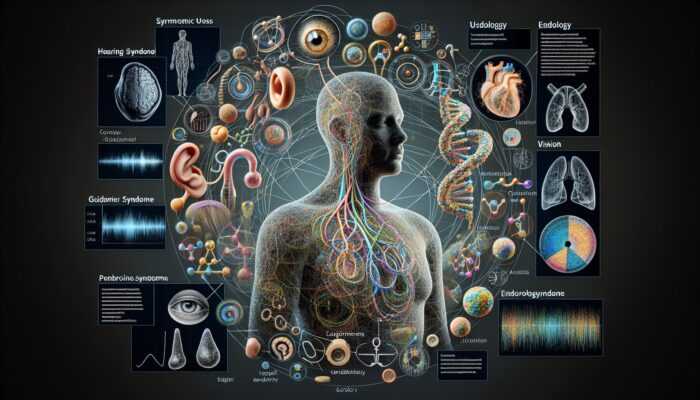
A genetic map illustrating syndromic hearing loss connections to Usher and Pendred syndromes and their impacts.

Genetic hearing loss is primarily categorized into two distinct groups: syndromic hearing loss and non-syndromic hearing loss. Syndromic hearing loss occurs in conjunction with additional medical conditions, demonstrating complex interactions among multiple genetic factors. Notable syndromes include Usher syndrome, which adversely affects both hearing and vision, and Pendred syndrome, which may involve thyroid dysfunction alongside hearing impairment. These syndromic conditions underscore the intricate and multifaceted role of genetics in hearing loss, making both the diagnosis and treatment considerably more complex.

In contrast, non-syndromic hearing loss manifests independently, driven solely by genetic factors without the presence of other symptoms. This form represents approximately 70% of all cases of genetic hearing loss. Understanding these distinct categories is essential for healthcare professionals, as it enables them to develop focused treatment strategies tailored to meet the specific needs of each patient. Genetic testing can clarify whether an individual’s hearing loss falls into the syndromic or non-syndromic category, thus aiding in making informed decisions regarding management and family planning in the future.

Numerous genes are implicated in these types of hearing loss, with GJB2 mutations being a predominant cause of non-syndromic hearing loss worldwide. This highlights the necessity of understanding individual genetic profiles. By leveraging the latest advancements in genetic research, healthcare providers can offer tailored insights and interventions, ultimately enhancing patient support and improving overall outcomes for those affected by hearing loss.

Comprehending the Inheritance Patterns of Hearing Loss

The inheritance patterns associated with genetic hearing loss hold significant implications for family dynamics and medical decision-making. Common inheritance patterns include autosomal dominant, autosomal recessive, and X-linked traits. With autosomal dominant inheritance, a single mutated copy of a gene is sufficient to manifest the trait, thereby increasing the risk of passing hearing loss to offspring. This pattern often results in quicker identification of the condition within families, as symptoms may appear early.

On the other hand, autosomal recessive inheritance requires two mutated gene copies for the trait to present itself. Individuals possessing only one mutated copy may remain unaware of their genetic status until they or their offspring experience hearing loss, often later in life. This less obvious inheritance pattern can lead to underdiagnosis or delays in treatment, complicating the management of the condition and its implications for family planning.

X-linked inheritance predominantly affects males, who carry only one X chromosome. Males with mutations on this single X chromosome are more likely to suffer from hearing loss, while females may simply be carriers without exhibiting symptoms themselves. Families with a history of X-linked hearing loss typically face unique challenges during genetic counselling and planning, as the associated risks and implications can vary significantly between genders and generations.

In essence, a thorough understanding of these inheritance patterns is crucial for predicting potential outcomes and preparing for future family planning. By enhancing awareness of these patterns, healthcare providers can better inform patients and families about the risks associated with genetics and hearing loss.

Evaluating the Global Prevalence of Genetic Hearing Loss

The prevalence of genetic hearing loss exhibits considerable variation across diverse populations and geographical regions. Approximately 1 in 1,000 infants are born with hearing loss related to genetic factors. In certain communities, particularly those with high consanguinity rates, this prevalence can be markedly higher. For instance, studies suggest that in various Middle Eastern countries, the incidence of genetic hearing loss can escalate to as high as 1 in 200 live births due to a greater likelihood of inheriting recessive genetic mutations.

Global research has revealed that non-syndromic genetic hearing loss is especially prevalent among East Asian populations, primarily attributed to specific genetic mutations such as those in the GJB2 gene. Conversely, other regions may report a higher prevalence of syndromic forms of hearing loss, which underscores the necessity of understanding local genetic backgrounds when assessing risks and treatment needs.

Healthcare systems around the world are increasingly implementing universal newborn hearing screening programmes, designed to detect hearing loss early and promote timely intervention. These initiatives are particularly crucial in low-resource settings, where delayed diagnosis can lead to significant educational and social challenges for affected individuals. Raising awareness about the frequency and impact of genetic hearing loss can galvanise efforts to enhance screening programmes, ultimately improving the quality of life for those impacted.

Investigating Genetic Mutations Associated with Hearing Loss

Close-up of DNA strand with highlighted mutations, medical diagrams, and hearing loss symbols in a research lab.

Identifying Key Genetic Mutations Linked to Hearing Loss

The landscape of genetic hearing loss is significantly shaped by a variety of genetic mutations. Among the most common mutations are those in the GJB2 gene, which encodes a protein vital for the proper functioning of auditory hair cells in the inner ear. This mutation is responsible for a considerable proportion of autosomal recessive non-syndromic hearing loss across various populations, demonstrating its widespread impact.

Another critical mutation occurs in the MYO15A gene, essential for the development and functionality of hair cells crucial for hearing. Mutations in this gene can lead to severe hearing loss, often detectable at birth or during early childhood. Identifying these prevalent genetic variations allows researchers and healthcare providers to focus on targeted genetic testing, thereby expediting diagnosis and facilitating timely intervention.

Additionally, the SLC26A4 gene is associated with Pendred syndrome and non-syndromic enlarged vestibular aqueduct, illustrating how certain mutations can lead to both hearing loss and other health complications. The complex role of this gene highlights the intricate nature of genetic hearing loss, necessitating thorough genetic counselling and testing to fully comprehend the impact of these mutations on an individual’s health and well-being.

Gaining insights into these common mutations provides invaluable knowledge concerning the biological mechanisms underlying hearing loss, paving the way for personalised treatment strategies and improved patient outcomes. As genetic testing and research continue to evolve, there is a compelling need for ongoing exploration into rare mutations and their potential implications for auditory health and management.

Understanding the Impact of Mutations on Hearing

The effects of genetic mutations on hearing loss can be remarkably diverse, depending on the specific genes involved and the nature of the mutations. Some mutations may result in mild hearing loss, while others can lead to profound deafness. For example, mutations in the GJB2 gene typically present as non-syndromic sensorineural hearing loss, which can vary from mild to severe. This variability complicates the clinical landscape, as individuals with identical mutations may experience drastically different auditory outcomes, necessitating personalised management approaches.

Mutations also influence the age of onset, progression, and effectiveness of interventions. Early-onset mutations, often identified through newborn screening, allow for timely interventions that can significantly enhance language development and social integration. Conversely, late-onset mutations may present later in life, introducing unexpected challenges and requiring significant lifestyle adjustments.

The mechanisms by which genetic mutations affect hearing may include disruptions in cochlear structural integrity, impairments in hair cell functionality, or disruptions in the pathways transmitting auditory signals to the brain. For instance, defects in the MYO15A gene can impede hair cell function, limiting the ability to process sound signals accurately. Understanding these mechanisms clarifies why certain interventions, such as hearing aids or cochlear implants, may yield better results for some individuals than for others.

As research continues to advance, scientists are exploring how specific mutations can inform treatment strategies. Customizing interventions based on an individual’s genetic makeup holds the potential for enhancing therapeutic effectiveness and improving overall quality of life for those affected by genetic hearing loss.

Recent Innovations in Mutation Detection Technologies

Advanced sequencing machines analyzing DNA for hearing loss mutations, scientists observing results on screens.

Recent advancements in mutation detection have transformed the landscape of diagnosing genetic hearing loss. Next-generation sequencing (NGS) technologies enable comprehensive genomic analyses, allowing for the identification of multiple genetic mutations in a single test. This innovation is groundbreaking, as traditional methodologies often focused on a limited number of genes, potentially overlooking critical mutations that could influence treatment pathways.

The adoption of whole exome sequencing (WES) has gained traction, providing a broader perspective by capturing all coding regions of the genome. This approach is particularly beneficial for uncovering rare mutations associated with syndromic hearing loss that might otherwise go undetected. By revealing the complete spectrum of genetic alterations, healthcare providers can devise personalised management plans that cater to the unique needs of each patient.

Moreover, the integration of AI and machine learning algorithms into genetic testing processes enhances the speed and accuracy of mutation detection. These cutting-edge technologies analyse extensive datasets, uncovering patterns that human analysts may overlook. Consequently, genetic testing is becoming more efficient, reducing the turnaround time for results and facilitating timely interventions that can significantly impact patient outcomes.

Educating and raising awareness about these advancements is essential. Professionals within the hearing loss community must stay informed regarding the latest technologies and their implications. This ensures that individuals and families affected by genetic hearing loss receive optimal care based on the most current insights into the genetic factors influencing their condition.

The Essential Role of Genetic Counselling in Managing Hearing Loss

Recognising the Importance of Genetic Counselling

Genetic counselling plays a critical role in the management of hearing loss, especially when genetic factors are involved. It serves as a vital bridge between complex genetic information and practical insights for families navigating hearing issues. Qualified genetic counsellors provide clarity regarding the implications of genetic testing results, assisting families in understanding their risks and available options.

Counselling empowers families to make informed decisions about their reproductive choices and medical interventions. For example, understanding the likelihood of transmitting genetic mutations can guide parents in their family planning decisions. This aspect of genetic counselling is particularly impactful in communities with elevated rates of specific genetic disorders, where the emotional and social ramifications of hearing loss can be profound.

Additionally, genetic counsellors support patients in coping with the emotional complexities associated with a hearing loss diagnosis. This support can alleviate feelings of anxiety and uncertainty, creating a safe space for individuals and families to discuss their concerns, fears, and aspirations. By addressing these emotional needs alongside the medical considerations, counsellors can foster resilience and proactive coping strategies among affected families.

Overall, the significance of genetic counselling cannot be overstated. As the field of genetics evolves, the demand for robust counselling frameworks to assist individuals and families in understanding and managing genetic hearing loss effectively becomes increasingly critical.

Guiding Families Through the Genetic Counselling Process

The genetic counselling process begins with a comprehensive assessment of the family’s medical history, focusing on any instances of hearing loss or related conditions. This initial evaluation helps counsellors identify potential genetic risks that may affect the family. Gathering this information is essential, as it provides context for understanding the genetic landscape within the family unit.

Following this, genetic counsellors outline the various types of genetic tests available, their purposes, and the potential outcomes. Families often appreciate having a clear understanding of what to expect from genetic testing, including the emotional ramifications of receiving both positive and negative results. This transparency fosters trust and ensures that families are adequately prepared to navigate the testing process.

Once testing is completed, counsellors play a vital role in interpreting the results. They help families understand the implications of various genetic findings, discussing the likelihood of hearing loss, related health conditions, and available interventions. This step is crucial; it transforms abstract genetic information into actionable steps, whether that involves pursuing further medical evaluations, consulting with hearing specialists, or considering assistive technologies.

Ongoing support is equally important. Families may have additional questions or require further resources after receiving their results. Genetic counsellors provide continuous support, connecting families to appropriate resources such as community support groups, educational materials, and specialists in hearing loss. This holistic approach ensures that families feel equipped to manage the complexities of genetic hearing loss effectively.

Ethical Considerations in Genetic Counselling for Hearing Loss

The ethical dimensions of genetic counselling for hearing loss are significant and cannot be overlooked. A primary concern revolves around informed consent, which ensures that individuals and families fully comprehend the implications of genetic testing before proceeding. Genetic counsellors must guarantee that patients understand the potential risks and benefits of testing, especially in relation to family planning and future health decisions.

Confidentiality is another ethical cornerstone in genetic counselling. Patients share deeply personal information regarding their health and family histories, making the protection of this confidentiality crucial for establishing trust. Genetic counsellors must navigate legal and ethical frameworks to secure patient information, particularly in an era where genetic data is increasingly at risk of breaches and misuse.

Moreover, the potential for discrimination based on genetic information raises significant ethical concerns. Families may fear that revealing genetic predispositions could lead to stigmatization or discrimination, especially concerning employment or insurance contexts. Counsellors must address these concerns by discussing relevant laws and protections that exist in their regions, providing reassurance that privacy safeguards are in place.

Finally, the role of genetic counselling extends into the realm of social ethics. Counsellors must be sensitive to cultural beliefs and values that may shape how families perceive hearing loss and genetic testing. A culturally competent approach ensures that counselling is respectful of diverse perspectives, ultimately fostering a more supportive environment for families navigating these challenges.

The Role of Genetic Testing in Understanding Hearing Loss

Genetic testing has emerged as an indispensable tool in diagnosing and comprehending hearing loss. By analysing an individual’s DNA, healthcare providers can pinpoint specific genetic mutations that may contribute to hearing impairments. Various types of genetic tests are available, each serving distinct purposes within the diagnostic framework.

Targeted mutation analysis focuses on specific genes linked to known hearing loss syndromes. This method is particularly advantageous when there is a family history of hearing loss or clear clinical indicators. For more comprehensive evaluations, next-generation sequencing (NGS) facilitates simultaneous testing of multiple genes, yielding a holistic view of the genetic factors involved.

The implications of genetic testing for hearing loss are substantial. Positive results can prompt early interventions, such as cochlear implants or hearing aids, which can significantly enhance language development and social integration. Conversely, negative results may offer reassurance and clarity for families, alleviating concerns about potential hereditary risks.

However, it is essential to acknowledge the limitations and uncertainties associated with genetic testing. Not all genetic mutations have established correlations with hearing loss, and negative results do not eliminate the possibility of developing hearing issues in the future. Therefore, genetic counselling is vital for contextualising these findings, assisting families in navigating the complexities of genetic testing.

As genetic research continues to evolve, the potential for improvements in testing methodologies remains promising, offering hope for more accurate, efficient, and accessible diagnostics for hearing loss. While the landscape of genetic testing is likely to change, the foundational role of genetic counselling will continue to be a cornerstone for families confronting these challenges.

Strategies for the Treatment and Management of Hearing Loss

Exploring Current Treatment Approaches for Hearing Loss

When addressing genetic hearing loss, a multitude of effective treatment options are currently available. Among the most common interventions is the use of hearing aids, which amplify sound and facilitate communication for affected individuals. These devices can be tailored to meet each patient’s specific requirements, significantly enhancing the quality of life for those experiencing mild to moderate hearing loss.

For individuals suffering from profound hearing loss, cochlear implants offer a revolutionary alternative. These surgically implanted devices bypass damaged hair cells within the cochlea, directly stimulating the auditory nerve. Cochlear implants have transformed the lives of many, enabling those with severe hearing impairments to perceive sounds and interact more fully with their environments. Research has demonstrated that early implantation can lead to improved language outcomes, emphasising the critical importance of timely intervention in the management of hearing loss.

Additionally, assistive listening devices, such as FM systems, are particularly advantageous for patients in educational settings or public environments. These devices enhance sound quality and clarity, allowing individuals with hearing loss to engage more effectively in conversations and classroom discussions. The growing recognition of these technologies highlights the necessity of a multifaceted approach to managing genetic hearing loss, tailored to each individual’s needs.

Incorporating these treatment options into a comprehensive management plan requires collaboration among audiologists, speech therapists, and genetic counsellors. By personalising interventions to each patient’s unique profile, healthcare providers can maximise treatment effectiveness, enhancing communication abilities and overall well-being.

Investigating Emerging Therapies for Genetic Hearing Loss

Innovation in the treatment of genetic hearing loss is advancing rapidly. Researchers are exploring a variety of emerging therapies aimed at addressing the underlying genetic causes of hearing impairment. One promising area of investigation focuses on gene therapy, with the objective of repairing or replacing defective genes responsible for hearing loss.

Recent breakthroughs in gene therapy have shown potential in preclinical models, with early-stage clinical trials already underway. These therapies aim to deliver functional copies of genes directly to the inner ear, potentially reversing the effects of genetic mutations. The excitement surrounding these advancements is tangible, as successful gene therapies could revolutionise the standard of care for individuals facing genetic hearing loss.

Another avenue of research involves the application of stem cell therapy to regenerate damaged hair cells within the cochlea. Scientists are investigating the capability of stem cells to replace lost or dysfunctional cells, potentially restoring hearing function. Although still in experimental stages, the implications of these therapies are vast, providing hope for individuals suffering from hearing loss due to genetic factors.

Furthermore, advancements in pharmacological treatments are also on the horizon. Researchers are examining medications that target specific pathways involved in hearing loss, aiming to protect auditory cells from damage or promote their regeneration. These emerging therapies could complement existing interventions, creating a comprehensive approach to managing genetic hearing loss.

As the treatment landscape continues to evolve, it is imperative for healthcare providers to remain informed about emerging therapies. This dynamic field holds promise for more effective and targeted interventions, ultimately enhancing outcomes for individuals affected by genetic hearing loss.

Strategies for Managing Hearing Loss in Children

Managing hearing loss in children presents unique challenges as well as opportunities. Early diagnosis and intervention are crucial for optimising language development and social skills in young children. Newborn screening programmes play a vital role in swiftly identifying hearing loss, enabling prompt interventions through hearing aids or cochlear implants.

Upon diagnosing a child with genetic hearing loss, it is essential to develop personalised management plans. Such plans may incorporate speech and language therapy to enhance communication skills and foster social interactions. Engaging trained speech-language pathologists who specialise in hearing loss is vital for providing targeted support as children navigate their communication journeys.

Family involvement is equally important in the management process. Educating families about the nature of genetic hearing loss and the available interventions empowers them to advocate for their child’s needs. Support groups can prove invaluable, providing families with opportunities to share experiences and strategies for addressing the daily challenges of hearing loss, thereby fostering a sense of community and support.

Educational institutions must also be equipped to support children with hearing loss. Collaborating with schools to implement accommodations such as preferential seating, assistive listening devices, and individualized education plans (IEPs) can facilitate academic success. By fostering an inclusive environment, schools can help children with genetic hearing loss thrive both academically and socially.

Ultimately, the goal is to provide a comprehensive support system that addresses the unique challenges faced by children with genetic hearing loss. By leveraging early intervention strategies, educational support, and family engagement, we can significantly enhance the quality of life for these children and empower them to realise their full potential.

Research Initiatives and Future Directions in Hearing Loss

Current Research Initiatives in Genetics

The field of genetic hearing loss research is advancing rapidly, with numerous ongoing studies investigating the genetic underpinnings of auditory impairments. Researchers are exploring a broad spectrum of genetic factors linked to both syndromic and non-syndromic hearing loss. This encompasses identifying novel mutations and understanding how these genetic changes affect the structure and function of the auditory system.

International collaborations are becoming increasingly essential, as scientists pool resources and expertise to tackle the complexities surrounding genetic hearing loss. Large-scale genomic studies, such as genome-wide association studies (GWAS), are elucidating the intricate relationships between various genetic variants and hearing impairment. These collaborative efforts hold the potential to accelerate discoveries and lead to breakthroughs that could reshape our understanding of genetic hearing loss.

Innovative methodologies, including CRISPR-Cas9 gene editing technology, are also being explored within research settings. This powerful tool allows for precise editing of DNA sequences, enabling scientists to investigate the consequences of specific mutations on hearing. By unveiling the mechanisms underlying genetic hearing loss, researchers can pave the way for targeted therapies that address the root causes.

As research continues to progress, integrating findings into clinical practice will be vital. Translating research discoveries into practical applications can enhance the diagnosis, treatment, and management of genetic hearing loss, ultimately improving outcomes for those affected and their families.

Exploring the Potential of Gene Therapy

The potential for gene therapy to revolutionise the treatment of genetic hearing loss is immense. As researchers identify specific genetic mutations responsible for various forms of hearing impairment, the feasibility of targeted therapies becomes increasingly realistic. By introducing functional copies of genes directly into the inner ear, gene therapy could restore or enhance auditory functions in individuals with genetic hearing loss.

Recent preclinical studies have shown encouraging results, demonstrating that gene therapy can yield substantial improvements in hearing in animal models with genetic mutations. These findings highlight the possibility of translating these therapies into clinical settings, offering hope to individuals facing profound hearing loss due to genetic factors.

Nevertheless, several challenges must be addressed before gene therapy can become a standard treatment option. Ensuring the safety and efficacy of these therapies necessitates extensive clinical trials and rigorous regulatory oversight. Additionally, determining the optimal timing for intervention is crucial; early administration of gene therapy may yield better outcomes compared to late-stage interventions.

The future of gene therapy in hearing loss treatment appears promising, with several ongoing clinical trials investigating various approaches. As scientists refine these techniques and tackle the challenges involved, the dream of restoring hearing through targeted genetic interventions may soon become a reality for countless individuals worldwide.

Fostering Collaborative Research Efforts

Collaborative research initiatives are vital in advancing the field of genetic hearing loss. By fostering partnerships among universities, hospitals, and research institutions, scientists can share resources, expertise, and data to address complex questions related to genetic hearing loss. These collaborations enhance the potential for groundbreaking discoveries that can lead to better diagnoses and treatments.

International consortia, such as the Global Hearing Loss Consortium, aim to unify researchers across borders to investigate genetic hearing loss. By pooling data from diverse populations, these initiatives can identify genetic variations that may exhibit regional differences and understand their influence on hearing loss. This global perspective is invaluable, as it can yield more comprehensive insights into the genetic factors that impact hearing impairment.

Additionally, collaborative efforts promote the sharing of best practices in genetic counselling and hearing loss management. By exchanging knowledge and strategies, healthcare providers can enhance their approaches to supporting patients and families affected by genetic hearing loss. This emphasis on collaboration not only enriches the research landscape but also improves the overall quality of care for individuals facing hearing challenges.

As the field continues to evolve, fostering a culture of collaboration will be crucial in maximizing the potential of genetic research. By working together, researchers, clinicians, and families can drive advancements that lead to meaningful improvements in the lives of those affected by genetic hearing loss.

Advancements in Diagnostic Tools for Hearing Loss

Recent breakthroughs in diagnostic tools for genetic hearing loss are reshaping the landscape of auditory health. Techniques such as next-generation sequencing (NGS) and whole exome sequencing (WES) have significantly improved the ability to identify genetic mutations associated with hearing loss. These sophisticated tools facilitate comprehensive genetic analyses, yielding a clearer understanding of the underlying causes of hearing impairment.

Moreover, the development of multiplex testing panels allows for simultaneous analysis of multiple genes linked to hearing loss. This efficiency not only accelerates diagnosis but also informs targeted treatment strategies. As genetic testing becomes more accessible and affordable, healthcare providers can seamlessly incorporate these tools into clinical practice, ultimately enhancing patient outcomes.

Additionally, integrating digital technologies into diagnostic processes is broadening the possibilities for early detection of hearing loss. Mobile applications and telemedicine platforms are emerging as valuable tools for facilitating genetic counselling and monitoring. By leveraging technology, healthcare providers can enhance communication and support for families, ensuring they have access to the resources they require.

The impact of these advancements on early detection and intervention is monumental. As diagnostic tools become increasingly sophisticated, the potential for timely identification of genetic hearing loss will consistently improve. This, in turn, will lead to more effective management strategies and an enhanced quality of life for individuals affected by genetic hearing loss.

Ethical Considerations in Genetic Research for Hearing Loss

The ethical considerations surrounding genetic research related to hearing loss are intricate and multifaceted. Issues concerning privacy and consent are paramount, as researchers must navigate the ethical implications of collecting and storing genetic data. Ensuring that participants fully understand the research’s objectives, potential risks, and their rights is essential for fostering trust and transparency in the research process.

Informed consent is a critical aspect of ethical research practices. Participants must be fully aware of how their genetic information will be utilised and the potential implications of their involvement. This is particularly crucial within the context of genetic research, where findings may hold significant consequences not only for individuals but also for their families and future generations.

Discrimination based on genetic information is another ethical concern. Individuals possessing genetic predispositions to hearing loss may fear potential stigmatization in various aspects of life, including employment and insurance. Researchers must advocate for policies that safeguard individuals from discrimination based on genetic information, ensuring that progress in genetic research does not inadvertently result in negative societal consequences.

Furthermore, cultural sensitivities and beliefs must be considered in genetic research related to hearing loss. Researchers should strive to engage with diverse communities in a manner that respects their values and perspectives. Culturally competent research practices can help mitigate misunderstandings and foster trust between researchers and participants, ultimately contributing to the success of genetic research initiatives.

As the field of genetic research continues to develop, addressing these ethical considerations will be crucial to ensuring that advancements in our understanding of hearing loss benefit all individuals and communities. Balancing the pursuit of knowledge with respect for individual rights and cultural values is vital for cultivating a responsible and inclusive research environment.

Assessing the Impact of Hearing Loss on Quality of Life

Examining the Social and Emotional Effects of Hearing Loss

The social and emotional repercussions of genetic hearing loss can be profound and far-reaching. Individuals with hearing loss frequently encounter unique challenges in their social interactions, often leading to feelings of isolation and frustration. Communication difficulties can hinder relationships, making it arduous to engage in conversations, participate in group activities, or forge connections with peers.

The emotional strain of living with genetic hearing loss may also manifest in various ways. Anxiety and depression are prevalent among those striving to navigate a world that can often feel disconnected. Individuals may grapple with self-esteem issues, particularly when their hearing loss impacts their ability to fully participate in social situations. Recognising these emotional effects is critical for providing comprehensive support to those impacted by hearing loss.

Support systems are vital in addressing the social and emotional needs of individuals with genetic hearing loss. Family, friends, and community support networks foster a sense of belonging and understanding. Participation in support groups specifically tailored for individuals with hearing loss can also provide an avenue for sharing experiences and coping strategies, ultimately alleviating feelings of isolation and enhancing emotional well-being.

Healthcare providers must acknowledge the significance of addressing the emotional aspects of genetic hearing loss. Integrating psychological support into treatment plans can empower individuals to cope with the challenges they face, enhancing their overall quality of life. By cultivating an environment that values emotional well-being, we can assist those affected by genetic hearing loss in leading fulfilling and enriched lives.

Identifying Educational Challenges Related to Hearing Loss

Educational challenges stemming from genetic hearing loss can significantly impact a child’s development and future opportunities. Children with hearing loss may struggle to acquire language skills, participate in classroom discussions, and engage with peers, all of which are essential for academic success. Early intervention is key to mitigating these challenges, underscoring the importance of timely diagnosis and support.

Schools must be prepared to accommodate the needs of children with genetic hearing loss. This includes implementing individualized education plans (IEPs) that outline specific accommodations, such as preferential seating, the use of assistive listening devices, and additional support from specialised educators. Teachers trained in working with students who have hearing loss can significantly contribute to creating an inclusive learning environment that promotes academic achievement.

Furthermore, raising awareness among educators and peers about genetic hearing loss is paramount. By fostering a culture of understanding and acceptance, schools can help diminish stigma and promote positive interactions among students. Peer support programmes can also encourage social integration and friendship-building, enhancing the overall educational experience for children with hearing loss.

Parental involvement is crucial in advocating for a child’s educational needs. Parents can collaborate with educators to ensure their child receives the necessary support and resources to thrive in the classroom. By working together, families and schools can create an environment in which children with genetic hearing loss can achieve their full potential and enjoy a fulfilling educational experience.

Building Support Systems and Resources for Individuals with Hearing Loss

Support systems and resources are essential for individuals and families navigating the complexities of genetic hearing loss. Various organisations and community groups offer information, advocacy, and emotional support, helping families connect with others facing similar challenges. These networks empower individuals to effectively leverage available resources and advocate for their rights concerning hearing loss.

National and international organisations, such as the Hearing Loss Association of America (HLAA) and the World Health Organization (WHO), provide valuable educational materials, workshops, and conferences aimed at raising awareness and providing assistance to those affected by hearing loss. These resources can aid families in understanding the implications of genetic hearing loss, available treatment options, and coping strategies to manage their situations effectively.

Local support groups also play a significant role in fostering community and connection. These groups provide a platform for individuals and families to share experiences, discuss challenges, and provide mutual support. Whether in-person or online, support networks can greatly alleviate feelings of isolation, helping individuals feel heard and understood in their journey with hearing loss.

Healthcare providers should actively engage in connecting patients with these support systems. By providing information about local and national resources, providers can enhance the overall care experience, empowering families to take proactive steps in managing their hearing loss journey.

Ultimately, establishing strong support systems and utilising available resources is crucial for improving the quality of life for those affected by genetic hearing loss. By fostering connections and providing access to information, we can create a more supportive environment for individuals navigating this complex condition.

Assessing Employment and Career Opportunities for Individuals with Hearing Loss

The impact of genetic hearing loss on employment and career advancement can be significant. Individuals with hearing loss often face unique challenges in the workplace, including communication barriers and potential misconceptions about their abilities. These challenges can impede job opportunities and restrict career progression for many.

Employers play a pivotal role in fostering an inclusive work environment. Implementing reasonable accommodations, such as providing assistive listening devices, ensuring accessible communication methods, and cultivating a supportive culture, can empower employees with hearing loss to excel in their roles. Training for managers and colleagues on effective communication strategies can also help dismantle barriers and foster understanding among all staff members.

Despite the challenges, individuals with genetic hearing loss can achieve professional success and fulfilment. Many organisations actively seek to promote diversity and inclusion, recognising the valuable perspectives and skills that individuals with hearing loss contribute to the workplace. Networking with organisations focused on disability inclusion can provide invaluable resources and opportunities for career advancement, ensuring that individuals with hearing loss are not left behind.

Advocacy for workplace accommodations is essential. Individuals with hearing loss should feel empowered to articulate their needs and advocate for themselves in professional settings. By fostering a dialogue about the importance of inclusivity, we can work towards creating workplaces that embrace diversity and offer equitable opportunities for all employees, regardless of their hearing abilities.

Recognising the Importance of Mental Health and Well-being

The effects of genetic hearing loss on mental health and well-being are significant and often overlooked. Individuals with hearing loss may experience feelings of isolation, anxiety, and depression, particularly if they struggle to communicate effectively in social contexts. Addressing these mental health concerns is vital for ensuring overall well-being and enhancing quality of life for affected individuals.

Access to mental health support is critical for individuals navigating the challenges of hearing loss. Therapeutic interventions, such as counselling or cognitive-behavioural therapy, can provide valuable coping strategies and emotional support. Mental health professionals with expertise in working with individuals who have hearing loss can help address specific concerns and promote resilience in their patients.

In addition to professional support, fostering strong social connections can enhance mental well-being. Support groups and community networks create opportunities for individuals with hearing loss to connect with others who understand their experiences. These connections can alleviate feelings of isolation, foster a sense of belonging, and enhance overall emotional health.

Moreover, raising awareness about the mental health implications of genetic hearing loss is crucial. By promoting understanding and reducing stigma, we can create a supportive environment that encourages individuals to seek help and prioritise their mental well-being. Ultimately, addressing the mental health needs of individuals with genetic hearing loss is an essential component of holistic care that can lead to more fulfilling lives.

Strategies for Prevention and Raising Awareness

Implementing Effective Strategies for Prevention

Preventing or mitigating the impact of genetic hearing loss necessitates a multifaceted approach centred on awareness, early detection, and education. One of the most effective strategies involves implementing comprehensive newborn hearing screening programmes. These initiatives facilitate the early identification of hearing loss, enabling prompt intervention that can significantly enhance language and social development for affected infants.

Educating families about the risks associated with genetic hearing loss is equally crucial. Genetic counselling can equip families with the knowledge they need to comprehend their genetic risks and make informed decisions regarding family planning. By raising awareness about genetic testing options and the implications of genetic mutations, families can take proactive measures to address potential hearing loss in future generations, thereby reducing its prevalence.

Community awareness campaigns can significantly contribute to prevention efforts. By educating the public about the signs of hearing loss and the importance of early intervention, we can cultivate a society that prioritises auditory health. Collaborating with healthcare providers, schools, and community organisations can amplify these messages and reach a broader audience, thereby enhancing overall awareness and support for hearing health initiatives.

Additionally, promoting healthy auditory habits is vital for preventing acquired hearing loss, particularly among individuals with a genetic predisposition. Encouraging the use of hearing protection in noisy environments and raising awareness about the dangers of exposure to loud sounds can help preserve hearing health for those at risk. By adopting a comprehensive approach to prevention, we can work towards reducing the incidence of genetic hearing loss and enhancing overall auditory health in communities.

Strategies for Raising Public Awareness

Raising public awareness about genetic hearing loss is essential for fostering understanding, acceptance, and support for those affected. Community outreach programmes, educational workshops, and social media campaigns can effectively disseminate information regarding the complexities of genetic hearing loss and the importance of early detection and intervention.

Engaging with advocacy organisations can amplify awareness efforts. Collaborating with groups focused on hearing loss can provide valuable platforms for sharing stories, resources, and information. These organisations often have established networks that can facilitate outreach to diverse communities, ensuring that awareness messages reach those who need them most.

Moreover, integrating hearing loss education into school curricula can promote understanding among younger generations. By educating students about the impact of hearing loss and the value of inclusivity, schools can foster a culture of empathy and support for individuals with hearing impairments, thereby paving the way for a more inclusive future.

Additionally, media representation of genetic hearing loss is vital. Highlighting personal stories through documentaries, podcasts, and articles can humanise the experience and encourage dialogue around the topic. By sharing the narratives of individuals living with genetic hearing loss, we can foster a deeper understanding of the challenges they face and the importance of inclusive practices in society.

Ultimately, raising awareness about genetic hearing loss is a collective responsibility. By fostering understanding, advocating for inclusivity, and providing resources, we can create a more supportive environment for individuals and families affected by this condition.

Understanding the Role of Public Health in Hearing Loss

Public health policies are instrumental in addressing the issue of genetic hearing loss. Governments and health organisations must prioritise the implementation of universal newborn hearing screening programmes to ensure early identification and intervention. These screening initiatives are essential for detecting hearing loss in infants, allowing for timely access to treatment and support that can significantly influence developmental outcomes.

Additionally, public health campaigns focusing on genetics and hearing loss can educate communities about the significance of genetic counselling and testing. By fostering awareness of the risks associated with genetic hearing loss, these campaigns can empower families to make informed decisions regarding their health and reproductive choices.

Collaboration between public health agencies, healthcare providers, and advocacy organisations is crucial for developing comprehensive strategies to address genetic hearing loss. By leveraging resources and expertise, stakeholders can create initiatives that promote education, screening, and support for affected individuals and families, thereby enhancing the overall response to hearing health issues.

Furthermore, public health policies must prioritise accessibility in healthcare. Ensuring that genetic testing and counselling services are available to all individuals, regardless of socioeconomic status, is vital for reducing disparities in care. By emphasising equal access to resources, we can work towards improving outcomes for individuals facing genetic hearing loss and fostering a more equitable healthcare landscape.

In conclusion, the role of public health in addressing genetic hearing loss is multifaceted. By prioritising prevention, education, and access to care, we can create a comprehensive approach that supports individuals and families navigating this complex condition, ultimately leading to better health outcomes and quality of life.

Engaging the Community in Awareness and Prevention Efforts

Community engagement is essential in supporting awareness and prevention initiatives related to genetic hearing loss. Establishing robust partnerships between healthcare providers, advocacy organisations, and community members can enhance awareness and support efforts. Collaborative initiatives can foster a sense of ownership within communities, empowering individuals to take an active role in promoting auditory health and supporting those affected by hearing loss.

Organising community events focused on hearing health can serve as an effective platform for educating the public about genetic hearing loss and available resources. Workshops, health fairs, and informational sessions can provide valuable opportunities for individuals and families to learn about genetic testing, counselling, and early intervention options, thereby facilitating a more informed community.

Involving individuals with hearing loss in community discussions can amplify their voices and experiences. By sharing personal stories and insights, those living with genetic hearing loss can help humanise the issue and foster empathy among community members. This engagement can also promote understanding and acceptance, breaking down stereotypes associated with hearing loss and encouraging supportive behaviours.

Collaboration with local schools and educational institutions can further enhance community engagement. By incorporating hearing health education into school curricula, we can nurture a culture of awareness among younger generations. Encouraging students to participate in advocacy efforts can empower them to become champions for inclusivity and support for individuals with hearing loss, ultimately creating a more compassionate society.

Ultimately, community engagement is a vital component of promoting awareness and prevention efforts for genetic hearing loss. By working together, we can create a more supportive environment for individuals and families navigating the challenges of genetic hearing loss.

Frequently Asked Questions about Genetic Hearing Loss

What are the primary causes of genetic hearing loss?

The primary causes of genetic hearing loss include mutations in specific genes, which can be classified as syndromic or non-syndromic. Syndromic hearing loss occurs alongside other medical conditions, while non-syndromic hearing loss is isolated to auditory issues, making it essential to understand the underlying genetic factors involved.

How is genetic hearing loss inherited?

Genetic hearing loss can be inherited in several ways, including autosomal dominant, autosomal recessive, and X-linked patterns. Each pattern has different implications for the likelihood of passing the condition to offspring, making an understanding of inheritance crucial for affected families.

What role does genetic counselling play in managing hearing loss?

Genetic counselling helps individuals and families understand the implications of genetic testing, assess risks, and make informed decisions about family planning and treatment options for hearing loss. It serves as a vital resource for navigating the complexities of genetic information.

Are there effective treatments for genetic hearing loss?

Yes, effective treatments for genetic hearing loss include hearing aids, cochlear implants, and assistive listening devices. Emerging therapies, such as gene therapy and stem cell treatments, are also under investigation, promising new avenues for intervention.

What are common genetic mutations associated with hearing loss?

Common mutations associated with hearing loss include those in the GJB2, MYO15A, and SLC26A4 genes. These mutations can lead to varying degrees of hearing impairment, underscoring the importance of genetic testing and counselling for affected individuals.

How can families support children with genetic hearing loss?

Families can support children with genetic hearing loss by engaging in early intervention programmes, advocating for educational accommodations, and fostering open communication about their experiences. This support is crucial for their development and integration into society.

What is the prevalence of genetic hearing loss worldwide?

The prevalence of genetic hearing loss varies globally, with approximately 1 in 1,000 infants being born with it. Rates may be higher in regions with consanguinity or specific genetic backgrounds, highlighting the need for tailored public health strategies.

How can communities raise awareness about genetic hearing loss?

Communities can raise awareness by organising educational workshops, collaborating with advocacy organisations, and promoting understanding of genetic hearing loss through social media campaigns and public events. Engaging the community is vital for fostering support and understanding.

What ethical considerations are involved in genetic research related to hearing loss?

Ethical considerations in genetic research include informed consent, privacy protection, and addressing potential discrimination based on genetic information. Researchers must navigate these issues carefully to uphold ethical standards while advancing the field.

What resources are available for individuals with genetic hearing loss?

Resources for individuals with genetic hearing loss include support groups, educational materials from organisations like the Hearing Loss Association of America, and access to healthcare providers specialising in auditory health. These resources are crucial for support and guidance.

Explore our world on X!

The post Genetics in Hearing Loss: An In-Depth Exploration appeared first on The Microsuction Ear Wax Removal Network.

The post Genetics in Hearing Loss: An In-Depth Exploration appeared first on Healthcare Marketing Service.