How To Reach Hearing First Cambridge
This Resource Refreshed - 2026-10-18 02:02
Waxfree Guarantee™: The only ear wax removal clinic in Cambridge offering the Waxfree Guarantee™.
We’re the only specialist microsuction ear wax removal clinic in Cambridge providing Microsuction Earwax Removal and Manual Instrument Earwax Removal by our expert Audiologists. All of our earwax removal practitioners are hand-picked by our founder, Jason Levy. We really are the ear wax removal experts in Cambridge.
Wye, Smeeth, Hinxhill, Newington, The Forstal, Elham, Cheeseman’s Green, Challock, Ram Lane, Brook, Denton, West Brabourne, Aldington, Wye, Hawkinge, Kingsnorth, Bonnington, Hamswtreet, Chilham, Smarden, Sheldwich, Chilmington Green, Maidstone, Hothfield, also serves Willesborough Lees, High Halden, Dover and New Romney, Folkestone, Kempe’s Corner, Biddenden, Westwell, Petham, Leaveland, Repton Manor, Charing, Hythe, Canterbury, Shadoxhurst, Godinton, Barham, Brabourne Lees, Bethersden, Lenham, Kennington, Lympne, Woodchurch, Beaver Green, Kent, Great Chart, Tenterden, Singleton, South Willesborough, Westwell, Dymchurch, Smarden, Boughton Lees, other towns and villages in Kent., Mersham, Daniel’s Water, Eastwell, Repton Park, Our convenient location in Cambridge, as well as Newtown
Finding Your Way to Hearing First Cambridge
If you are heading to Hearing First Cambridge for an appointment, a little planning goes a long way. Think through your route, your likely arrival time and where you will park before you leave, so the journey feels calm rather than rushed. Cambridge can become busy at peak times, so setting off early is often the simplest way to avoid pressure. Whether you travel by car, taxi, bus or on foot, it helps to check the latest journey information and allow room for traffic, roadworks or school-run delays. Arriving smoothly can make a real difference, particularly if you are visiting for hearing care, microsuction ear wax removal or an audiology assessment.
The clinic is positioned in a part of Cambridge that is usually convenient for people coming from nearby neighbourhoods and surrounding towns, which means some visitors like to combine the appointment with other errands. If you have mobility needs, it is sensible to think ahead about drop-off access, disabled parking or the shortest practical walk from your stop. A bit of preparation can reduce stress and save time on the day, especially if it is your first appointment or you are accompanying someone who would appreciate support.
Check Your Route Before You Set Off
Before you travel, use a trusted route planner and look at the latest traffic updates. Cambridge congestion can build quickly around main commuting routes, the city centre and busy junctions, so it is better to avoid arriving at the exact minute of your booking. If you are going for ear wax removal or a hearing test, a calmer start helps the whole visit feel easier. Keep your phone charged, save your booking confirmation and note any street names or landmarks that may help you recognise the area more quickly.
Things to Consider If You Are Driving
If you are driving, leave extra time for parking, turning into side roads and locating the entrance once you are close. If the area is unfamiliar, use postcode navigation and stay alert for one-way streets, restricted turns and local parking restrictions. Give yourself enough time to park safely and walk in without hurrying. For visitors with hearing loss, reduced mobility or ear discomfort, a more relaxed arrival is usually far more comfortable than one that feels pressured.
Getting There by Bus, Taxi or Lift Share
Public transport can be a simple way to reach the clinic, especially if you would rather not drive in central Cambridge. Local buses may suit you if your journey begins in a residential area, from a park-and-ride site or from a nearby rail link. Taxis and lift share services can also be a practical choice when you want a door-to-door trip with less walking. For many patients attending audiology appointments, this can be the easiest option, particularly if tinnitus, dizziness or blocked ears make travel feel tiring.
If you are using a bus or taxi, it is wise to check the final stretch of the route carefully. Some stops may still leave you with a short walk, so it helps to know in advance whether the path is sheltered, level or well lit. If you need help, ask the driver to drop you as close to the entrance as possible. Keep your appointment confirmation handy in case you need to explain your destination quickly. Good planning makes the journey more predictable and helps you avoid delays caused by missed stops or unfamiliar streets.
Make Public Transport Work for You
When you are relying on buses or taxis, allow spare time for delays, late-running services, route changes or heavier traffic near the city centre. Try not to book an appointment immediately before or after another commitment, because that can leave you feeling rushed if transport is delayed. If you are travelling with an older relative or someone with hearing difficulties, make sure everyone knows the stop, the meeting point and how you will stay in touch before you leave. Simple preparation often makes the whole trip much easier.
Helpful Travel Habits for a Smoother Visit
Carry a small set of practical details with you, including the booking time, the destination and the clinic name. If you are travelling in wet weather or after dark in winter, choose shoes and clothing that make short walks safer and more comfortable. It is also worth checking live departures before you set off, especially if you are coming from further afield in Cambridgeshire. A well-timed journey can make hearing care appointments feel less stressful and easier to manage.
Tip for First-Time Visitors
If this is your first visit, aim to arrive a little earlier than you think you need to. That extra time lets you orientate yourself, find the entrance and settle in without feeling hurried. It also means you can compose yourself before speaking with the audiologist, which can be reassuring if you are nervous about ear wax removal or a hearing assessment.
A Small Step That Helps a Lot
Keep your phone on silent but switched on, so you can see any last-minute travel updates or appointment messages without distraction. A quieter arrival often helps set a more relaxed tone for the consultation.
What Does Ear Wax Removal in Cambridge Cost?

Published Payment Methods
- Credit cards
- Debit cards
- Contactless or NFC payments
Payment information may change. Confirm prices, insurance eligibility and accepted methods directly with the provider. Place attributes are provided by Google Maps.
Ear wax removal in Cambridge starts at £34. Pricing can vary depending on whether it is one ear or two ears, and whether the appointment is booked at peak or off-peak times.
33 Interesting Facts About Cambridge
- Cambridge's Roman Name: The Roman settlement at Castle Hill was known as Duroliponte and guarded a crossing of the River Cam on the Via Devana route.
- Cambridge Castle Mound: William the Conqueror ordered a motte-and-bailey castle built at Castle Hill around 1068, and its earthwork mound remains visible.
- The Great St Mary's Parish Church: Great St Mary's has served as Cambridge's civic church since the Middle Ages, and its tower provides a public viewpoint over the city centre.
- The Round Church: The Church of the Holy Sepulchre, usually called the Round Church, was built around 1130 and is one of only four surviving medieval round churches in England.
- Fitzwilliam Museum Foundation: The Fitzwilliam Museum opened in 1848 after the seventh Viscount Fitzwilliam bequeathed his art collection, library and funds for a museum to the city.
- The Sedgwick Museum Collection: The Sedgwick Museum of Earth Sciences holds Charles Darwin's geological specimens and a vast collection documenting the history of the Earth.
- Whipple Museum Instruments: The Whipple Museum of the History of Science preserves scientific instruments, models and apparatus ranging from medieval astronomy to modern physics.
- Cambridge Museum of Technology: The Cambridge Museum of Technology occupies the former Cheddars Lane pumping station, whose Victorian engines once helped provide the city's water supply.
- Kettle's Yard Origins: Kettle's Yard began as the home of collector Jim Ede, who arranged modern art, furniture and found objects in an informal domestic setting from the 1950s.
- Cambridge Corn Exchange: Cambridge Corn Exchange was built in 1875 as a grain-trading venue and now operates as a major live music, comedy and events hall.
- The ADC Theatre: The ADC Theatre, opened in 1855, is widely described as the UK's oldest university playhouse still in use.
- Cambridge Folk Festival: Cambridge Folk Festival began in 1965 and has grown into one of the United Kingdom's longest-running and best-known folk music festivals.
- Home to the Second-Oldest University in the English-Speaking World
world leaders — and remains one of the most prestigious institutions globally., writers, the University of Cambridge has educated monarchs, Founded in 1209, and scientists - Over 100 Libraries Belong to the University
Cambridge University has more than 100 libraries, including the iconic University Library, which houses over 8 million books and receives a copy of every UK publication. - Eight Prime Ministers Studied Here
including Sir Robert Walpole, Cambridge has educated eight British Prime Ministers, more recently Stanley Baldwin and Neville Chamberlain., and Britain’s first official PM - The Best Ear Wax Removal In Cambridge
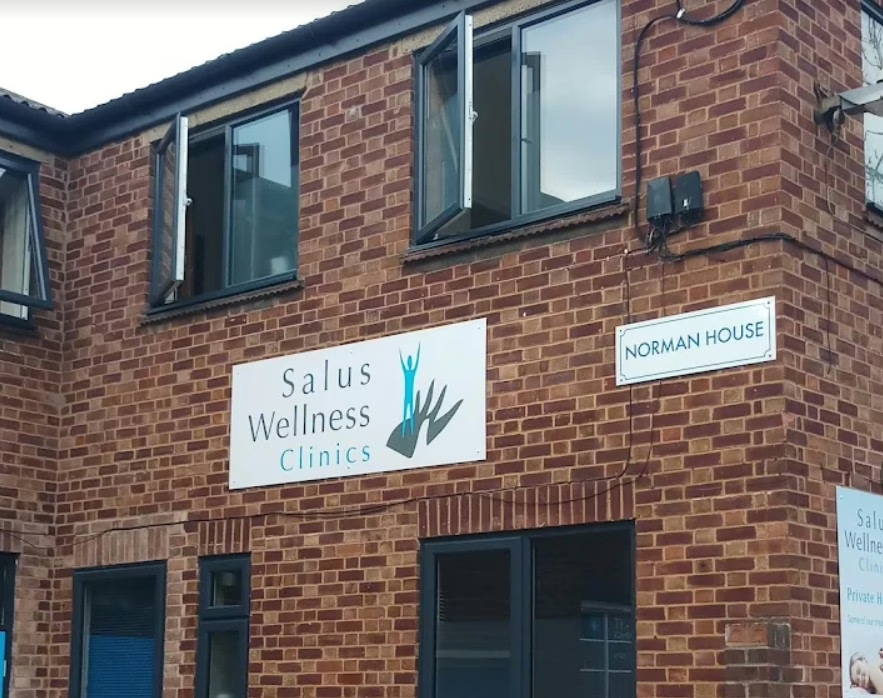
The UK’s premier ear wax removal and Audiology service, Hearing First, is available at Salus Wellness on Cambridge Place, just off Hills Road. You can click here to book an ear wax removal appointment in Cambridge with Hearing First. - Stephen Hawking Worked and Lived in Cambridge
The world-renowned physicist lived in Cambridge for most of his academic life and was Director of Research at the Centre for Theoretical Cosmology until his death in 2018. - The Rules of Football Were Codified Here
The Cambridge Rules, created in 1848, were an early attempt to standardise football and helped shape the modern game we know today. - Punting on the River Cam is a Local Tradition
Punting — pushing a flat-bottomed boat along the river using a pole — is one of Cambridge’s most iconic activities, particularly along the stretch known as The Backs, behind the colleges. - Cambridge Has Over 30 Colleges
Trinity, traditions, each with its own history, The University is made up of 31 autonomous colleges, and famous alumni. King’s, and St John’s are among the most recognisable. - Home to the Cavendish Laboratory
The Cavendish Laboratory, founded in 1874, is where many groundbreaking scientific discoveries occurred — including the structure of DNA by Watson and Crick in 1953. - First Computer Programmers Studied Here
studied at King’s College, Cambridge played a major role in early computing. Alan Turing, the university remains a leader in AI research today., and father of computer science - Birthplace of the Hovercraft
Inventor Christopher Cockerell, who developed the hovercraft, was educated at Cambridge and conducted some of his early tests using a vacuum cleaner and kitchen scales. - Isaac Newton Studied and Taught at Trinity College
One of the greatest scientific minds in history, Sir Isaac Newton, formulated his laws of motion and gravity during his time in Cambridge, under the famous apple tree story. - Over 90 Nobel Prizes Have Been Awarded to Cambridge Affiliates
Cambridge University boasts over 90 Nobel Laureates across disciplines including literature, peace — more than any other university outside the US., medicine, and physics - The Mathematical Bridge Has No Nails (Kind Of)
The Queen’s College Mathematical Bridge is a wooden structure famous for being held together by precision engineering — although modern nails have since been added during repairs. - Cambridge Has a Rich Literary History
A.A. Milne studied here. Lord Byron also famously kept a pet bear while at Trinity College because dogs, Zadie Smith, and Writers like Sylvia Plath were not allowed. - The Corpus Clock Tells Time — and Eats It
Installed in 2008, the Corpus Clock is a bizarre and beautiful creation featuring a metal “Chronophage” (time-eater) insect devouring time as it ticks. It’s both mechanical marvel and artistic metaphor. - Trinity College Owns Newton’s Apple Tree Clone
A tree grown from a cutting of Isaac Newton’s original apple tree stands in Trinity’s gardens — a living tribute to the moment that changed science forever. - Cambridge Is a Cycling Capital
Over a quarter of Cambridge residents cycle to work or school, giving it one of the highest cycling rates in the UK — and making bicycles a central part of its cityscape. - The First Colour Photo Was Developed Here
James Clerk Maxwell, who developed the first durable colour photograph, conducted part of his ground-breaking research in Cambridge in the 1860s. - Home to a Real-World Hogwarts-Style Dining Hall
especially at Christ’s and Trinity, candelabras, portraits lining the walls., resemble those in *Harry Potter* — with long wooden tables, and Many Cambridge college dining halls - The University Has No Central Campus
departments, student housing, libraries, Cambridge is spread throughout the city. Its colleges, and Unlike most universities are intertwined with the rest of Cambridge life.
Parking and Access When You Arrive
Car Parks Near Hearing First Cambridge
- YourParkingSpace, approximately 0.7 miles from Hearing First Cambridge. View on Google Maps.
- Cambridge Station Car Park, approximately 0.4 miles from Hearing First Cambridge. View on Google Maps.
- Adam and Eve Street car park, approximately 0.5 miles from Hearing First Cambridge. View on Google Maps.
Parking information and place links are provided by Google Maps. Check restrictions and charges locally.
Parking is often one of the most important parts of planning a visit, especially if you are coming for ear care and want to avoid unnecessary hassle. Before you travel, it is sensible to check whether there is on-site parking, nearby street parking or disabled access available. In Cambridge, parking rules can vary from one street to the next, so reading the details beforehand can help you avoid fines and last-minute confusion. If you have limited mobility, hearing loss or are attending with someone else, knowing how close you can park to the entrance can make the appointment much easier.
Access is just as important as parking. Look for step-free entry, clear signs, safe drop-off points and walkways that are well kept. If you use a wheelchair, walking aid or simply need extra time getting in and out of the car, a clinic with straightforward access will usually feel more practical. For hearing appointments, a calm and uncomplicated arrival often helps you focus on the consultation rather than the journey. It is also sensible to think about weather, lighting and the return trip, particularly if your appointment may finish later in the day.
Prepare for a Calm and Unhurried Arrival
Before you leave, check the route from your parking space or bus stop to the entrance. This is especially useful if you are unfamiliar with the area or attending in winter, when daylight may be limited. Bring any mobility aids, glasses and reading glasses you need, and allow enough time to walk slowly if necessary. If you are bringing a friend or relative, agree in advance where they should wait and whether they need to help with parking or finding the entrance.
Practical Access Checks Before You Travel
If you are driving, confirm whether parking is free, time-limited or reserved for visitors. If you need Blue Badge access, make sure you know the exact arrangements before you set off. It is also wise to think about kerbs, slopes or narrow doorways that could affect your arrival. These small checks can help you avoid avoidable strain and make the visit feel more organised from the outset.
Tip for Patients with Mobility Needs
Choose stable footwear that is easy to walk in, and avoid carrying more than you need. A lighter load makes it easier to move between parking, reception and treatment areas without discomfort.
Why a More Relaxed Arrival Helps
When you arrive without rushing, you are more likely to remember your questions, explain symptoms clearly and feel comfortable talking about your hearing concerns. That can be helpful whether you are attending for microsuction, ear wax removal or general audiology advice.
More Information

You can find more information about getting ear wax removal in Cambridge here.
Allow Extra Time for Your Cambridge Appointment

Even a short journey can take longer than expected in Cambridge, so it is sensible to build in a comfortable buffer. Traffic around the city can shift quickly because of commuter flow, college events, tourists, roadworks and peak-time movement. If you are travelling for a hearing appointment, extra time can make a noticeable difference. You will arrive more calmly, have a moment to gather your thoughts and be less likely to begin the consultation feeling flustered. That is especially useful if you are attending for ear wax removal, tinnitus advice or a hearing check after a spell of blocked or muffled hearing.
It is also worth planning for the time needed to park, walk from your vehicle and locate the right entrance. If you are bringing a companion, that can add a little more time, particularly if you need help with directions or mobility support. Many patients find it helpful to treat the journey as part of the appointment rather than something separate. That approach makes it easier to leave early, avoid last-minute panic and settle into the visit with less pressure.
Why Journeys Sometimes Take Longer Than Expected
- Heavy traffic near key routes into Cambridge, especially at school drop-off, school pick-up and commuter times, can slow travel without much warning.
- Parking searches may take longer than planned, particularly if you are unfamiliar with local restrictions, bay markings or time-limited spaces near the clinic.
- Roadworks, temporary closures or events can force short diversions, changing familiar routes and adding unexpected minutes to the trip.
- Reduced walking speed because of mobility needs, wet weather or carrying bags can make the final part of the journey slower than you expected.
- Extra time may be needed to support a child, older relative or nervous patient, especially if they want reassurance before the appointment starts.
Set a Buffer That Suits Your Own Pace
Your buffer does not need to be excessive. For many visitors, arriving 15 to 20 minutes early is enough to deal with parking, check in and settle down. If you are coming from outside Cambridge or travelling at a busy time, you may want to allow more. The aim is not to wait around unnecessarily, but to avoid avoidable pressure. A little extra time can make hearing care feel more manageable and help the day run smoothly.
Safe, Comfortable Ear Wax Removal with an Audiologist in Your Local Area
Your ears and hearing are delicate, so they should be in expert hands. Some providers delegate ear wax removal to lay people and treat it as a routine task. However, we believe it requires the skill and expertise of a trained Audiologist.
At our clinic, your ears are cared for by a specialist with detailed knowledge of ear anatomy and physiology, helping to minimise the risk of injury and support a safe, effective procedure tailored to your needs. Your hearing is too important to leave to chance, so only qualified Audiologists perform ear wax removal, and we are committed to providing the highest standard of care.
Hearing First Cambridge – Microsuction Ear Wax Removal Cambridge Cb2 Map
Ear Wax Removal Led by Audiologists: Specialist Care
Ear wax removal involves sensitive areas of the ear, so choosing an experienced Audiologist can offer valuable reassurance. Hearing First Cambridge says its procedures are carried out by qualified Audiologists, not passed on to non-specialist staff. That focus on clinical knowledge supports a careful, individual approach to ear care, with attention to the anatomy and physiology of the ear.
Whether you are dealing with the feeling of a blocked ear or simply want professional guidance, an Audiologist-led appointment can help you feel better informed about the next step. Microsuction and manual instrument ear wax removal may be considered depending on your needs. Before treatment, it is sensible to explain your symptoms, any relevant ear history and any concerns so the practitioner can advise you properly.
For comfortable ear wax removal in Cambridge, contact the clinic to discuss an appointment and confirm which approach may be suitable for you. Specialist assessment and clear communication can make the process feel more straightforward, while helping you place your hearing care in knowledgeable hands.
Useful Travel Checks Before Your Hearing Care Visit

Before you set off, a few simple checks can make the journey easier and more predictable. Confirm your route, travel time and parking arrangements, and make sure your phone is charged in case you need navigation or last-minute updates. If you have been referred for ear wax removal or another audiology service, it can help to bring any relevant notes, previous test results or a list of symptoms. Being organised before you travel often reduces stress once you arrive, and it gives the audiologist a clearer understanding of your needs, which can support a smoother consultation.
Cambridge can usually be straightforward to reach, but local conditions still matter. Wet roads, roadworks and peak traffic can all affect timing. If you are travelling from nearby villages, towns or suburbs, think about the return trip as well, especially if you may feel tired after your appointment. Good travel planning is not only about getting there, it is about arriving in the right frame of mind. That is useful for anyone having treatment for blocked ears, hearing loss or general ear health concerns.
What to Pack for the Journey
Bring your appointment details, any identification you have been asked for, reading glasses if you use them and a charged phone. If you wear hearing aids, you may also want to take your usual cleaning tools or spare batteries, especially if you may need to discuss them during the consultation. It can also help to carry a bottle of water and a small notebook if you like to write down advice afterwards. These small items can make the visit feel more comfortable and organised.
Keeping the Day Straightforward
Try not to schedule other demanding tasks immediately before or after your appointment. A calmer diary gives you more flexibility if traffic, parking or weather causes a delay. It also leaves space for any follow-up arrangements, such as a repeat hearing check, further ear care advice or collecting documents afterwards. For many people, a simple, unhurried visit is the easiest way to manage health appointments in a busy week.
Tip If You Are Bringing Someone with You
Ask your companion to read the route notes too. If you both know where you are going, where to park and how long the walk will take, the journey usually feels much less stressful.
Why Preparation Matters for Hearing Appointments
When you know the practical details, you can focus more fully on your hearing and ear health. That often leads to a better conversation with the clinician and a more confident visit overall.
Services We Offer Are:

- Manual Instrument Ear Wax Removal
- Microsuction Ear Wax Removal
Hearing First Cambridge
URL: https://www.hearingfirst.co.uk/book-ear-wax-removal-near-me/book-microsuction-ear-wax-removal-cambridge/
Professional ear wax removal Cambridge Audiologists. Conveniently located in Cambridge Clinic on Sun Lane, with free on-site disabled parking. We are the only ear wax removal clinic in Cambridge that offer The Hearing First Waxfree Guarantee™ , so if you have a blocked ear, come to our ear wax removal Cambridge clinic. We really are the ear wax removal experts in Cambridge.
Making the Journey Easier If You Have Hearing Loss or Ear Symptoms
Travelling to an appointment can feel more demanding if you are already dealing with hearing loss, a blocked ear, tinnitus or discomfort. Background noise, traffic and busy streets can make it harder to concentrate, so it helps to plan a route that feels simple and familiar. If you rely on lip reading or prefer quieter settings, think carefully about the time of day you travel and the places where you may need to wait. Choosing a straightforward route can reduce fatigue and help you arrive in a better frame of mind for your consultation.
If you are sensitive to sound, it may be useful to avoid the busiest transport times when stations, buses and city streets are louder. If you are anxious about missing your stop or not hearing announcements clearly, use live travel apps, written directions and a trusted companion if possible. For some patients, the journey itself is part of the challenge, so practical planning can be just as important as the appointment. A well-managed trip can make hearing care feel more accessible and less tiring.
Travel Adjustments That May Help
- Leave extra time for every stage of the journey, from leaving home to finding the entrance, so you are not forced to rush.
- Travel with a companion if you feel more confident that way, especially for your first visit or if you are worried about missing key details.
- Use written journey notes or a navigation app, as these can be more reliable than spoken instructions when your hearing is reduced.
- Choose quieter travel times where possible, because less crowding and lower background noise can make it easier to stay oriented and relaxed.
- Tell the driver or someone travelling with you if you need help hearing announcements, directions or changes to the route.
Keep Comfort and Clarity in Mind
The goal is not to make your journey complicated, but to remove avoidable strain. Small changes, such as using a quieter route or carrying a note with the clinic name, can help a great deal. If your symptoms include pressure, pain or dizziness, a steady and predictable journey is often the best choice. When you arrive calmly, you are more likely to feel ready for the clinical assessment and any discussion about treatment options.
Tip for Patients with Tinnitus
If ringing or buzzing sounds are distracting, background noise from headphones, a radio or a quiet conversation with a passenger may help some people feel more settled. Keep the volume low and choose whatever feels soothing rather than overwhelming.
Why a Quiet Arrival Helps
A calmer journey can reduce sensory overload and leave you with more energy for the appointment itself. That can make it easier to explain your symptoms clearly and understand the next steps in your hearing care.
Driving Directions to Hearing First Cambridge

- Addenbrooke's Hospital :Ear, Nose and Throat to Hearing First Cambridge: approximately 1.8 miles and 9 minutes by car. The route typically begins: Head north-east on Robinson Way; then At the roundabout, take the 3rd exit onto Main Dr; then At the roundabout, take the 1st exit onto Hills Rd/A1307. Open this route in Google Maps.
- Private ENT Specialist Cambridge | Dr. Daniele Borsetto to Hearing First Cambridge: approximately 1.9 miles and 10 minutes by car. The route typically begins: Head north-west; then Turn right onto Adrian Way; then At the roundabout, take the 1st exit onto Main Dr. Open this route in Google Maps.
- Nuffield Road Medical Centre to Hearing First Cambridge: approximately 2.8 miles and 13 minutes by car. The route typically begins: Head north-east towards Pippin Dr; then Turn left onto Pippin Dr; then Turn left onto Nuffield Rd. Open this route in Google Maps.
- Huntingdon Road Surgery to Hearing First Cambridge: approximately 2.5 miles and 13 minutes by car. The route typically begins: Head north-west on Huntingdon Rd/A1307 towards Buckingham Rd; then Turn right onto Benson St; then Turn right onto Canterbury St. Open this route in Google Maps.
- Petersfield Medical Practice to Hearing First Cambridge: approximately 0.8 miles and 6 minutes by car. The route typically begins: Head north-east on Guest Rd towards Collier Rd; then Turn left onto Collier Rd; then Turn left onto Willis Rd. Open this route in Google Maps.
- Addenbrooke's to Hearing First Cambridge: approximately 2.0 miles and 11 minutes by car. The route typically begins: Head west towards Apollo spital cambridge; then Turn right onto Adrian Way; then At the roundabout, take the 1st exit onto Main Dr. Open this route in Google Maps.
- Cory & Herbarium Libraries, University of Cambridge to Hearing First Cambridge: approximately 0.6 miles and 4 minutes by car. The route typically begins: Head north; then Turn left; then Turn left onto Bateman St. Open this route in Google Maps.
- Hobson's Conduit to Hearing First Cambridge: approximately 0.5 miles and 3 minutes by car. The route typically begins: Head east on Lensfield Rd/A603 towards Brookside Continue to follow A603; then Turn right onto Hills Rd/A1307; then Turn left onto Cambridge Pl Destination will be on the left. Open this route in Google Maps.
- Vertical Meadow Mill Yard to Hearing First Cambridge: approximately 0.8 miles and 5 minutes by car. The route typically begins: Head north-west towards Devonshire Rd; then Turn left onto Devonshire Rd; then Turn left onto Tenison Rd. Open this route in Google Maps.
Distances, indicative journey times and route links are provided by Google Maps. Check live conditions before travelling.
Nearby Bus Stops and Public Transport
Nearest Bus Stops to Hearing First Cambridge
- St Paul's Road, approximately 0.1 miles from Hearing First Cambridge. View this bus stop on Google Maps. Walking directions from St Paul's Road to Hearing First Cambridge.
- Hills Road, approximately 0.1 miles from Hearing First Cambridge. View this bus stop on Google Maps. Walking directions from Hills Road to Hearing First Cambridge.
- Catholic Church, approximately 0.2 miles from Hearing First Cambridge. View this bus stop on Google Maps. Walking directions from Catholic Church to Hearing First Cambridge.
- Gonville Place, approximately 0.2 miles from Hearing First Cambridge. View this bus stop on Google Maps. Walking directions from Gonville Place to Hearing First Cambridge.
- Botanic Gardens, approximately 0.2 miles from Hearing First Cambridge. View this bus stop on Google Maps. Walking directions from Botanic Gardens to Hearing First Cambridge.
- Downing College, approximately 0.3 miles from Hearing First Cambridge. View this bus stop on Google Maps. Walking directions from Downing College to Hearing First Cambridge.
Nearest Rail, Tube and Tram Stations to Hearing First Cambridge
- Cambridge, approximately 0.4 miles from Hearing First Cambridge. View this station on Google Maps. Walking directions from Cambridge to Hearing First Cambridge.
- Cambridge South, approximately 1.6 miles from Hearing First Cambridge. View this station on Google Maps. Walking directions from Cambridge South to Hearing First Cambridge.
- Cambridge North, approximately 2.2 miles from Hearing First Cambridge. View this station on Google Maps. Walking directions from Cambridge North to Hearing First Cambridge.
Stops and stations are ordered by straight-line distance from the destination using Google Places coordinates. Place and walking-direction links are provided by Google Maps.