Categories
Health & Wellness Hearing Devices

Best Hearing Aids for Active Individuals: Our Top Picks

Last Updated on 02/12/2025 by Admin

Discover Key Features of Premium Hearing Aids for Active Lifestyles

Utilise Advanced Noise Cancellation Technology for Enhanced Focus in Vibrant Environments

For individuals who embrace active lifestyles, navigating through bustling and dynamic settings teeming with distracting background noise can be quite challenging. Hearing aids that incorporate state-of-the-art noise cancellation technology are essential for maintaining clarity and focus in these environments. This advanced functionality allows users to engage in conversations and activities without being overwhelmed by surrounding sounds. Such technology is particularly beneficial in lively places such as busy markets, scenic hiking trails, or crowded gyms, enabling individuals to fully immerse themselves in their experiences without missing out on important interactions.

The primary benefits of noise cancellation in hearing aids include:

  • Enhanced Clarity: Effectively filters out background noise, ensuring conversations remain clear and understandable.
  • Improved Focus: Aids users in concentrating on tasks by minimising auditory distractions during physical activities.
  • Adaptive Settings: Automatically adjusts to a range of sound environments, optimising hearing whether in tranquil or chaotic settings.
  • Social Engagement: Promotes active participation in social interactions, significantly enhancing overall quality of life.

By integrating these vital features, users can fully embrace their active lifestyles, engaging with their surroundings and enjoying every moment without missing out on anything important.

Prioritise Durability and Water Resistance for Outdoor Adventures

For individuals with active lifestyles, it is crucial that hearing aids possess the durability needed to withstand various environmental challenges. Durability and water resistance are essential qualities that protect hearing aids from sweat, moisture, and physical impacts. Many models are designed with robust materials, including silicone or reinforced plastics, which not only safeguard against physical damage but also enhance comfort during prolonged wear.

Investing in hearing aids that boast high durability ratings ensures they can endure the rigours of outdoor adventures, whether it involves hiking through rugged terrains or swimming in the sea. Water-resistant models are specifically engineered to prevent moisture from entering, making them suitable for activities such as running in the rain or participating in water sports.

These advanced hearing aids typically feature strong casings and undergo stringent testing to meet industry standards for durability. This functionality allows users to engage in their favourite sports or outdoor activities without the constant worry of damaging their devices, ultimately contributing to a more carefree and enjoyable experience.

Benefit from Extended Battery Life and Intelligent Power Management

Battery life is a critical consideration for active individuals who rely on hearing aids throughout their daily undertakings. Long-lasting batteries ensure users can participate in their pursuits without the inconvenience of frequent recharging. Modern hearing aids are equipped with a range of power management features designed to extend battery life, including adaptive streaming capabilities and low-power modes.

Some cutting-edge hearing aids use rechargeable batteries that can last several days on a single charge, depending on usage patterns and environmental settings. Additionally, features such as automatic shut-off when removed and smart technology that adjusts power consumption based on surrounding noise levels contribute to enhanced battery longevity.

Users should carefully consider the type of battery their hearing aids require and evaluate the average battery life to ensure it aligns with their active lifestyles. For those constantly on the move, it is advisable to seek models that are energy-efficient while still delivering high sound quality and performance, thereby supporting a seamless active lifestyle.

Embrace Seamless Wireless Connectivity for Enhanced Accessibility

In today’s digital age, wireless connectivity options in hearing aids have become indispensable for users leading active lifestyles. Contemporary hearing aids are now equipped with Bluetooth technology, enabling effortless integration with smartphones, tablets, and other smart devices. This connectivity empowers users to stream music, phone calls, and even podcasts directly to their hearing aids, significantly enhancing the auditory experience during various activities.

Key connectivity features to consider include:

  • Bluetooth Streaming: Enables direct streaming of audio content from a variety of devices.
  • Mobile Apps: Offers control over settings and personalisation through dedicated hearing aid applications.
  • Multi-Device Pairing: Allows simultaneous connection to multiple devices for hassle-free switching between them.
  • Hands-Free Calling: Facilitates answering phone calls without needing to hold the phone, making it ideal for active scenarios.

These advanced features not only enhance the overall user experience but also encourage a more integrated lifestyle, allowing active individuals to stay connected without compromising their hearing quality.

Ensure Optimal Comfort and Fit for Prolonged Use

Comfort and fit are paramount for individuals who wear hearing aids for extended periods. A secure and comfortable fit allows users to fully engage in their activities without the annoyance of discomfort or the need for constant adjustments. Many modern hearing aids are crafted with ergonomic shapes and soft materials that conform to the natural contours of the ear, providing a snug fit that remains secure even during movement.

Various styles are available, including behind-the-ear (BTE) and in-the-ear (ITE) models, each offering unique advantages in terms of comfort and usability. Custom-fitted options can also be moulded to the individual’s ear shape, delivering personalised comfort that enhances wearability.

Moreover, many hearing aids are equipped with features such as adjustable ear tips or interchangeable moulds, allowing users to customise their fit for different activities. This adaptability not only boosts comfort but also ensures that the hearing aids deliver optimal sound quality, which is crucial for engaging in sports or enjoying outdoor adventures.

Expert Insights on Selecting the Most Suitable Hearing Aids for Active Lifestyles

What Features Make Hearing Aids Perfect for Active Users?

A hearing aid becomes ideal for active users when it incorporates a range of essential features tailored to support dynamic lifestyles. Users benefit significantly from hearing aids that prioritise durability, comfort, and advanced technology. For example, outdoor sports enthusiasts will appreciate models that are both water-resistant and engineered to withstand physical impacts.

Real-world scenarios highlight these advantages. A hiker using a rugged, water-resistant hearing aid can confidently traverse challenging trails while engaging with fellow hikers without worrying about equipment failure. Similarly, a gym enthusiast can enjoy music streamed directly from their smartphone while remaining connected with trainers and workout partners through their hearing aids. This level of integration not only enhances the overall user experience but also fosters a sense of community during physical activities.

Ultimately, hearing aids designed for active lifestyles blend innovative technology with robust features, ensuring users can stay engaged and connected in a variety of environments, whether they are hiking in the mountains or participating in a fitness class.

How Can Users Effectively Maintain Their Hearing Aids?

Proper maintenance is critical for ensuring the longevity and optimal performance of hearing aids. Experts recommend several straightforward strategies that active users can easily implement. Regular cleaning of hearing aids is essential, as sweat and debris can accumulate, affecting functionality. Users should wipe down their devices daily with a soft, dry cloth and use specialised cleaning solutions as necessary.

Storing hearing aids in a cool, dry location is another vital aspect of maintenance. After engaging in physical activities, placing hearing aids in a protective case can prevent damage and moisture accumulation. Furthermore, regularly checking and replacing wax filters can help maintain clear sound quality and prevent blockages.

Users should also schedule routine professional check-ups, wherein audiologists can conduct comprehensive assessments and make necessary adjustments. This proactive approach not only extends the lifespan of the devices but also ensures they deliver the best possible hearing experience for the user.

What Are the Latest Innovations in Hearing Aid Technology?

The hearing aid industry is experiencing groundbreaking advancements that cater specifically to active lifestyles. Recent innovations focus on user control, enhanced sound quality, and adaptable features that respond to ever-changing environments. A notable development is the incorporation of artificial intelligence (AI) in hearing aids, enabling automatic adjustments based on the surrounding acoustic conditions.

AI-driven hearing aids can learn user preferences and adjust settings for different situations, thereby significantly enhancing the auditory experience during various activities. Another significant advancement is the proliferation of smartphone applications that provide users with intuitive control over their devices.

These apps enable users to modify volume levels, switch programs, and even track their hearing health. Furthermore, manufacturers are increasingly emphasising miniaturisation, resulting in discreet, lightweight designs that deliver powerful sound without sacrificing comfort. Collectively, these innovations are reshaping the hearing aid landscape, making them more appealing and functional for active individuals.

Guidelines for Selecting the Ideal Hearing Aid for Active Lifestyles

What Are the Key Considerations When Choosing a Hearing Aid?

When selecting a hearing aid for an active lifestyle, several essential factors must be taken into account. First and foremost, users should assess their specific hearing needs, including the type and degree of hearing loss. This evaluation aids in determining the appropriate style and features, such as amplification levels and connectivity options that best suit their lifestyle.

Comfort and fit are equally important; a hearing aid that fits comfortably can significantly impact daily use. Active users should seek models that provide adjustable fittings and lightweight designs, ensuring they can wear their hearing aids comfortably during all activities.

Functionality is another crucial consideration. Users should evaluate the hearing aid’s capacity to handle various auditory environments. For instance, a model equipped with advanced noise cancellation and directional microphones is ideal for busy outdoor settings, allowing users to engage in conversations while minimising distracting background noise. Ultimately, a comprehensive understanding of these considerations empowers users to select hearing aids that align perfectly with their active lifestyles.

Why Is Professional Fitting and Customisation Essential?

Professional fitting and customisation of hearing aids play a crucial role in ensuring optimal performance and user satisfaction. A hearing aid that may appear ideal in theory can fail to deliver desired results without precise fitting. Hearing professionals conduct thorough assessments to understand a user’s unique hearing profile, preferences, and lifestyle demands.

During the fitting process, audiologists can customise various settings, including amplification levels, sound profiles, and noise management features. This tailored approach guarantees that the hearing aids provide the most natural listening experience possible. Additionally, a professional fitting ensures that the devices are comfortable and secure, minimising the risk of irritation during active use.

Customisation extends beyond the initial fitting; periodic adjustments may be necessary as users’ hearing needs evolve or as they encounter different auditory environments. Ongoing collaboration with hearing professionals ensures that the devices remain effective and comfortable, ultimately enhancing the user’s engagement in their favourite activities.

How to Compare Different Hearing Aid Models and Brands?

With a wide array of models and brands available in the hearing aid market, comparing features and prices is essential for finding the best fit for an active lifestyle. Begin by identifying the core features that are non-negotiable for your needs, such as durability, battery life, and advanced connectivity options.

Researching brands known for their innovative technology and excellent customer support is also crucial. For instance, some brands provide extensive warranties and service packages, which can be invaluable for active users who require reliable devices.

When comparing models, consider reading user reviews and testimonials to gain insights into real-world performance. Additionally, visiting audiology clinics for hands-on trials can help users evaluate comfort and functionality before making a purchase. This thorough comparison process empowers individuals to make informed decisions, ensuring they choose hearing aids that effectively enhance their active lifestyles.

Understanding the Benefits of Waterproof and Durable Hearing Aids

The advantages of waterproof and durable hearing aids are immense, especially for active individuals who frequently engage in outdoor activities. These features are essential for ensuring that hearing aids can withstand various environmental conditions, from sweaty workouts to unexpected rain showers.

Waterproof hearing aids are specifically designed to resist moisture, allowing users to participate in water sports, run in the rain, or simply enjoy a day at the beach without the anxiety of damaging their devices. This level of durability ensures that users can maintain their active lifestyle without interruption or concern.

Moreover, durable hearing aids made from robust materials can endure the impacts and stresses of physical activities. This durability translates to fewer replacements and repairs, resulting in long-term cost savings and peace of mind for users. By opting for hearing aids that are both waterproof and durable, individuals can confidently pursue their passions, knowing their devices will keep pace with their active lives.

Research-Backed Benefits of the Best Hearing Aids for Active Individuals

How Do Hearing Aids Improve Quality of Life for Active Users?

Hearing aids have been shown to profoundly enhance the quality of life for individuals with active lifestyles, primarily by improving communication and fostering social engagement. Research indicates that people using hearing aids experience greater participation in social activities, strengthening their connections with friends and family. This increased engagement leads to an enhanced sense of belonging and overall well-being.

For example, studies reveal that active users who wear hearing aids report feeling more confident in social situations, allowing them to pursue hobbies and interests more freely. Whether joining a local hiking group or participating in community sports, effective hearing aids empower individuals to communicate better and engage fully with their surroundings.

Moreover, the ability to hear clearly in noisy environments enhances situational awareness, making active individuals feel safer during physical activities. This heightened awareness contributes to their overall enjoyment and satisfaction, underscoring the vital role hearing aids play in promoting a fulfilling lifestyle.

What Psychological Benefits Are Associated with Using Hearing Aids?

Beyond the physical health improvements, hearing aids offer significant psychological benefits, particularly in reducing feelings of isolation and enhancing mental health. Studies have shown that individuals who use hearing aids report lower levels of anxiety and depression compared to those who do not.

The ability to engage in conversations and partake in social activities is critical in combating feelings of loneliness. As users reconnect with their communities and participate in group activities, their mental well-being is positively affected.

Additionally, the enriched auditory experiences facilitated by hearing aids contribute to cognitive engagement, which is essential for maintaining mental agility. Regular interactions stimulate the brain, thereby reducing the risk of cognitive decline often associated with untreated hearing loss. Overall, hearing aids serve as an essential tool in fostering mental health and psychological resilience for active individuals.

Long-Term Health Benefits of Consistent Hearing Aid Use

Regular use of hearing aids yields significant long-term health benefits, particularly regarding cognitive health and overall well-being. Research shows that individuals who consistently use hearing aids face a lower risk of cognitive decline, as these devices help maintain the brain’s auditory processing capabilities.

Studies have underscored the connection between untreated hearing loss and cognitive deterioration, with individuals experiencing a higher incidence of conditions such as dementia. By using hearing aids, individuals can mitigate these risks, ensuring their cognitive abilities remain sharp as they age.

Moreover, engaging in regular social interactions, facilitated by effective hearing aids, promotes emotional health, leading to improved physical health outcomes. Active individuals who feel connected and engaged in their communities are more likely to maintain healthier lifestyles, participate in regular physical activities, and seek necessary medical care. The ripple effect of consistent hearing aid use underscores the importance of addressing hearing loss as a vital component of overall health.

In What Ways Do Hearing Aids Enhance Physical Activity for Active Users?

Hearing aids significantly improve the physical activity experience for active users by enhancing safety, communication, and enjoyment. Research indicates that individuals who wear hearing aids while engaging in sports or exercise report better balance and increased participation in group activities. Enhanced auditory cues from the environment enable users to navigate their surroundings effectively, reducing the likelihood of accidents during physical exertion.

Moreover, the ability to hear instructions from trainers or teammates during group workouts can lead to a more fulfilling exercise experience. This level of engagement not only boosts performance but also fosters camaraderie, as users connect with others on their fitness journeys.

Studies suggest that individuals utilising hearing aids during physical activities are more likely to adhere to their exercise regimens, contributing to a healthier lifestyle. By integrating hearing aids into their active lives, individuals can experience greater overall satisfaction and commitment to their fitness goals, reinforcing the immense value these devices provide.

Proven Strategies for Optimising Hearing Aids for Active Individuals

How Can Users Maximise the Effectiveness of Their Hearing Aids?

Maximising the effectiveness of hearing aids involves adopting several proven strategies. Users should ensure their devices are correctly fitted and adjusted to their specific hearing requirements. Regular check-ups with audiologists can help maintain optimal settings and functionality.

Staying informed about device features and updates can also enhance the user experience. Many hearing aids offer customisable settings that can be tailored to different environments, enabling users to switch seamlessly between activities.

To optimise hearing aid usage, consider these helpful tips:

  • Regular Maintenance: Clean the devices consistently to ensure optimal performance.
  • Battery Management: Utilise rechargeable options or carry spare batteries for extended use.
  • Practice Using Features: Familiarise yourself with all functionalities to enhance adaptability.
  • Participate in Support Groups: Engage with others to share experiences and strategies.

By implementing these strategies, users can enhance their hearing aid effectiveness, leading to a more fulfilling and connected active lifestyle.

What Best Practices Should Be Followed for Integrating Hearing Aids into Daily Life?

Integrating hearing aids into daily life necessitates establishing routines and habits that foster consistent use. Users should commit to wearing their devices throughout the day, ensuring they are prepared for any situation that may arise. Creating a designated storage area for hearing aids can help reinforce this habit, making it easy to find and wear them when necessary.

Educating family members and friends about the hearing aids can create a more supportive environment, encouraging open communication and understanding.

Best practices for daily integration include:

  • Set Reminders: Use phone alarms to help remember to wear hearing aids.
  • Engage in Social Activities: Plan outings that encourage wearing devices to enhance communication.
  • Utilise Technology: Leverage apps to control settings and monitor usage.
  • Share Experiences: Discuss hearing aid experiences with peers to enhance comfort and confidence.

These practices not only promote consistent use but also enrich the overall hearing experience, making active lifestyles more enjoyable.

How to Troubleshoot Common Hearing Aid Issues?

Users may face various common issues with their hearing aids, but resolving these problems is often straightforward. Regular troubleshooting can help maintain optimal performance and user satisfaction. One frequent issue is feedback or whistling sounds, typically caused by improper fit or earwax buildup. Ensuring a proper fit and conducting regular cleaning can resolve these concerns.

Another common issue involves connectivity problems with Bluetooth devices. Users should ensure their hearing aids are charged and within range, as well as checking for any software updates that may enhance performance.

Troubleshooting tips include:

  • Check Battery Levels: Always ensure batteries are charged or replaced as needed.
  • Examine for Blockages: Regularly inspect for earwax or debris that may affect sound quality.
  • Re-establish Connections: If experiencing connectivity issues, re-pair devices as necessary.
  • Consult User Manuals: Refer to guides for troubleshooting specific issues related to models.

By proactively troubleshooting these common issues, users can ensure their hearing aids function optimally, enabling them to fully enjoy their active lifestyles.

Essential Accessories and Add-Ons for Enhanced Hearing Aid Performance

Why Are Compatible Accessories Crucial for Hearing Aids?

Utilising compatible accessories with hearing aids is essential for optimising their performance and functionality. These accessories can enhance the user experience across various environments, particularly for those leading active lifestyles. From specialised ear moulds to protective cases, compatible accessories can elevate standard hearing aid use into an enriched auditory experience.

For instance, sweatbands designed to wick away moisture can be vital for athletes, preventing sweat from impacting hearing aid performance. Additionally, carrying cases with secure compartments can help safeguard devices during travel or outdoor activities.

Furthermore, using compatible accessories allows users to access additional features, such as remote controls for adjusting settings or streaming devices that connect smartphones directly to hearing aids. By investing in compatible accessories, users can significantly enhance the usability and longevity of their hearing aids, ensuring they remain effective tools for communication and connection during their active pursuits.

What Add-Ons Are Most Beneficial for Active Users?

Active individuals can greatly benefit from specific add-ons designed to enhance the performance of their hearing aids. These add-ons improve usability, comfort, and functionality during various activities. One of the most valuable add-ons is a streaming device, which allows users to connect their hearing aids directly to smartphones, televisions, or other audio devices, providing a seamless listening experience.

Another useful accessory is a fitness tracker that integrates with hearing aids, enabling users to monitor their physical activity levels while receiving notifications through their devices.

Additionally, consider the following practical add-ons:

  • Windshields: Minimise wind noise during outdoor activities.
  • Drying Kits: Essential for moisture management after workouts or exposure to wet conditions.
  • Protective Cases: Safeguard hearing aids from damage during travel or sports.
  • Charging Cradles: Convenient for recharging hearing aids between uses.

These add-ons significantly enhance the experience for active users, ensuring that hearing aids continue to perform optimally during a variety of activities.

How to Choose and Use Hearing Aid Apps Effectively?

Hearing aid apps play a pivotal role in enhancing user experience by providing additional control and features. When selecting an app, it is vital to choose one that is compatible with your hearing aid model and offers intuitive features. Many apps allow users to adjust volume levels, switch between listening programs, and access sound profiles tailored to specific environments.

Utilising hearing aid apps can offer significant benefits, such as real-time monitoring of battery life and tracking usage patterns. Some apps even provide access to hearing health resources, helping users stay informed about their hearing journey.

To effectively use hearing aid apps, users should:

  • Familiarise with Features: Explore all functionalities to maximise the app’s potential.
  • Set Up Notifications: Use reminders for maintenance and check-ups.
  • Regularly Update: Keep the app updated to access the latest features and improvements.
  • Engage with Community: Join forums or groups within the app for support and tips.

By leveraging hearing aid apps, users can significantly enhance their auditory experience, ensuring that their hearing aids align seamlessly with their active lifestyles.

How to Maintain and Care for Hearing Aid Accessories?

Proper maintenance and care of hearing aid accessories are essential for ensuring their longevity and optimal performance. Regular cleaning is crucial to prevent dirt and moisture build-up, which can compromise functionality. Users should adhere to manufacturer guidelines for cleaning, using gentle solutions and soft cloths as recommended.

Storing accessories in a designated, dry area also contributes to their longevity. For example, keeping charging cases protected from extreme temperatures and moisture ensures they remain effective and reliable.

Best practices for maintaining accessories include:

  • Routine Inspections: Regularly check for wear and tear on components such as ear moulds or tubing.
  • Safe Storage: Store accessories in a protective case when not in use.
  • Thorough Cleaning: Clean accessories according to manufacturer instructions, using appropriate tools.
  • Replacement Planning: Be proactive about replacing worn accessories to maintain optimal performance.

By adopting these practices, users can ensure their hearing aid accessories remain functional and reliable, ultimately enhancing their overall auditory experience.

Frequently Asked Questions

What Are the Most Effective Hearing Aids for Active Individuals?

The most effective hearing aids for active individuals are those that offer durability, water resistance, extended battery life, and advanced connectivity features, ensuring optimal performance during a variety of activities.

Are There Specific Hearing Aids Tailored for Sports Activities?

Yes, numerous hearing aids are specifically designed for sports, featuring sweatproof designs, secure fits, and noise cancellation to enhance audio clarity in active environments.

How Can I Maintain My Hearing Aids During Outdoor Activities?

To maintain hearing aids during outdoor activities, regularly clean them, use protective cases, and consider moisture-resistant options to prevent damage from sweat and humidity.

Is It Possible to Connect My Hearing Aids to My Smartphone?

Yes, many contemporary hearing aids feature Bluetooth connectivity, enabling users to connect directly to smartphones for streaming calls, music, and other audio.

What Should I Prioritise When Selecting Hearing Aid Accessories?

Prioritise accessories that enhance comfort and usability, such as drying kits, protective cases, and streaming devices that improve connectivity and functionality.

How Often Should I Consult an Audiologist for Hearing Aid Check-Ups?

It is advisable to consult an audiologist for hearing aid check-ups at least once a year to ensure proper fit, functionality, and to make necessary adjustments as needed.

What Types of Hearing Aids Are Best for Music Enthusiasts?

Hearing aids with high-fidelity sound processing and adaptive noise cancellation features are ideal for music enthusiasts, providing rich audio experiences across various music genres.

Are Rechargeable Hearing Aids a Worthwhile Investment?

Rechargeable hearing aids can be a worthwhile investment, providing convenience, extended battery life, and eliminating the need for frequent battery replacements.

How Can I Enhance My Hearing Aid Experience in Social Settings?

To enhance your hearing aid experience in social settings, familiarise yourself with your device’s settings, utilise directional microphones, and practice active listening techniques to improve engagement.

Can Hearing Aids Assist with Balance Issues?

Yes, hearing aids can aid with balance issues by providing auditory cues that enhance spatial awareness, thereby reducing the risk of falls during physical activities.

Explore our world on X!

The post Top Picks for Active People: The Best Hearing Aids appeared first on The Microsuction Ear Wax Removal Network.

Categories
Health & Wellness Hearing Devices

Best Hearing Aids for Active Individuals: Our Top Picks

Last Updated on 02/12/2025 by Admin

Key Features to Look for in Premium Hearing Aids for Active Lifestyles

Discover Advanced Noise Cancellation Technology for Vibrant Environments

Individuals who lead active lifestyles often find themselves in dynamic settings where distracting background noise can impede their experiences. Hence, hearing aids equipped with state-of-the-art noise cancellation technology are essential for maintaining focus and clarity amidst the hustle and bustle. This innovative technology allows users to engage in conversations and activities without being overwhelmed by surrounding sounds. Such functionality is particularly beneficial in lively places like busy markets, scenic hiking trails, or crowded gyms, enhancing the overall experience and allowing for deeper engagement with the environment.

The primary benefits of noise cancellation in hearing aids include:

  • Enhanced Clarity: Effectively filters out background noise to ensure conversations remain clear and intelligible.
  • Improved Focus: Helps individuals concentrate on tasks, significantly reducing auditory distractions during physical activities.
  • Adaptive Settings: Automatically adjusts to varying sound environments, optimising hearing in both tranquil and chaotic situations.
  • Social Engagement: Promotes active participation in social interactions, profoundly enhancing overall quality of life.

By integrating these advanced features, users can fully enjoy their active lifestyles and connect with their surroundings without missing important moments.

Prioritising Durability and Water Resistance for Outdoor Enthusiasts

For those who lead vibrant, active lives, it is paramount that hearing aids are robust enough to withstand a variety of environmental challenges. The attributes of durability and water resistance are critical, as they protect hearing aids from sweat, moisture, and physical impacts. Many models are crafted from sturdy materials such as silicone or reinforced plastics, which not only shield against physical damage but also enhance comfort during extended wear.

Investing in hearing aids with high durability ratings ensures they can endure the rigours of outdoor adventures, whether it involves hiking through rugged terrains or enjoying a swim in the ocean. Water-resistant models are specifically designed to prevent moisture ingress, making them suitable for activities like running in the rain or participating in water sports.

These hearing aids typically boast robust casings and undergo extensive testing to comply with industry standards for durability. This allows users to pursue their favourite sports or outdoor activities without the constant worry of damaging their devices, contributing to a more carefree and enjoyable experience.

Importance of Extended Battery Life and Smart Power Management

Battery life is a critical consideration for active individuals who rely on their hearing aids throughout their daily routines. Long-lasting batteries ensure that users can engage in their pursuits without the hassle of frequent recharging. Modern hearing aids come equipped with various power management features designed to extend battery life, including adaptive streaming capabilities and low-power modes.

Some hearing aids utilise rechargeable batteries that can last several days on a single charge, depending on usage patterns and environmental settings. Furthermore, features such as automatic shut-off when removed and intelligent technology that adjusts power consumption based on ambient noise levels contribute to enhanced battery longevity.

Users should carefully evaluate the type of battery their hearing aids require and assess the average battery life to ensure it aligns with their active lifestyles. For those who are perpetually on the move, it is advisable to seek models that are energy-efficient while maintaining high sound quality and performance, thus ensuring a seamless active lifestyle.

Exploring Seamless Wireless Connectivity Features

In today’s digital age, wireless connectivity options in hearing aids have become indispensable for users with active lifestyles. Contemporary hearing aids are equipped with Bluetooth technology, facilitating effortless integration with smartphones, tablets, and other smart devices. This connectivity empowers users to stream music, phone calls, and even podcasts directly to their hearing aids, significantly enhancing the auditory experience during a range of activities.

Key connectivity features to consider include:

  • Bluetooth Streaming: Enables direct streaming of audio content from a variety of devices.
  • Mobile Apps: Provides control over settings and personalisation through dedicated hearing aid applications.
  • Multi-Device Pairing: Allows simultaneous connection to multiple devices for effortless switching between them.
  • Hands-Free Calling: Facilitates answering phone calls without needing to hold the phone, ideal for active situations.

These advanced features not only enhance user experience but also promote a more integrated lifestyle, allowing active individuals to stay connected without compromising their hearing quality.

Ensuring Optimal Comfort and Fit for Extended Wear

Comfort and fit are of utmost importance for active individuals who wear hearing aids for extended periods. A secure and comfortable fit allows users to immerse themselves fully in their activities without the irritation of discomfort or the need for constant adjustments. Many modern hearing aids are designed with ergonomic shapes and soft materials that conform to the natural contours of the ear, providing a snug fit that remains secure during movement.

Various styles are available, including behind-the-ear (BTE) and in-the-ear (ITE) models, each offering distinct benefits in terms of comfort and usability. Custom-fitted options can also be moulded to the individual’s ear shape, delivering personalised comfort that enhances overall wearability.

Additionally, many hearing aids are equipped with features such as adjustable ear tips or interchangeable moulds, allowing users to customise their fit for different activities. This adaptability not only enhances comfort but also ensures that the hearing aids deliver optimal sound quality, which is crucial for engaging in sports or enjoying outdoor adventures.

Expert Insights on Selecting the Best Hearing Aids for Active Lifestyles

What Features Make Hearing Aids Ideal for Active Users?

A hearing aid becomes ideal for active users when it integrates a range of essential features tailored to support dynamic lifestyles. Users significantly benefit from hearing aids that prioritise durability, comfort, and advanced technology. For instance, outdoor sports enthusiasts will appreciate models that are both water-resistant and designed to withstand physical impacts.

Real-world scenarios highlight these advantages. A hiker using a rugged, water-resistant hearing aid can confidently traverse challenging trails while engaging with fellow hikers without worrying about equipment failure. Similarly, a gym enthusiast can enjoy music streamed directly from their smartphone while remaining connected with trainers and workout partners through their hearing aids. This level of integration not only enhances the overall user experience but also fosters a sense of community during physical activities.

Ultimately, hearing aids designed for active lifestyles blend innovative technology with robust features, ensuring users can stay engaged and connected in various environments, whether they are hiking in the mountains or participating in a fitness class.

How Can Users Effectively Maintain Their Hearing Aids?

Proper maintenance is essential for ensuring the longevity and optimal performance of hearing aids. Experts recommend several straightforward strategies that active users can easily implement. Regular cleaning of hearing aids is crucial, as sweat and debris can accumulate, affecting functionality. Users should wipe down their devices daily with a soft, dry cloth and use specialised cleaning solutions as necessary.

Storing hearing aids in a cool, dry location is another vital aspect of maintenance. After engaging in physical activities, placing hearing aids in a protective case helps prevent damage and moisture accumulation. Moreover, regularly checking and replacing wax filters can help maintain clear sound quality and prevent blockages.

Users should also schedule routine professional check-ups, during which audiologists can conduct comprehensive assessments and make necessary adjustments. This proactive approach not only extends the lifespan of the devices but also ensures they deliver the best possible hearing experience for the user.

What Are the Latest Innovations in Hearing Aid Technology?

The hearing aid industry is experiencing groundbreaking advancements that cater specifically to active lifestyles. Recent innovations focus on user control, enhanced sound quality, and adaptable features that respond to ever-changing environments. A notable development is the incorporation of artificial intelligence (AI) in hearing aids, allowing for automatic adjustments based on surrounding acoustic conditions.

AI-driven hearing aids can learn user preferences and adjust settings for different situations, thereby enhancing the auditory experience during various activities. Another significant advancement is the proliferation of smartphone applications that provide users with intuitive control over their devices.

These apps enable users to modify volume levels, switch programs, and even track their hearing health. Furthermore, manufacturers are increasingly emphasising miniaturisation, resulting in discreet, lightweight designs that deliver powerful sound without compromising comfort. Collectively, these innovations are reshaping the hearing aid landscape, making them more appealing and functional for active individuals.

Guidelines for Choosing the Ideal Hearing Aid for Active Lifestyles

What Key Factors Should Be Considered When Selecting a Hearing Aid?

When selecting a hearing aid for an active lifestyle, several essential factors must be taken into account. First and foremost, users should assess their specific hearing needs, including the type and degree of hearing loss. This evaluation aids in determining the appropriate style and features, such as amplification levels and connectivity options that best suit their lifestyle.

Comfort and fit are equally important; a hearing aid that fits comfortably can significantly impact daily use. Active users should seek models that provide adjustable fittings and lightweight designs, ensuring they can wear their hearing aids comfortably during all activities.

Functionality is another crucial consideration. Users should evaluate the hearing aid’s capacity to handle various auditory environments. For instance, a model equipped with advanced noise cancellation and directional microphones is ideal for busy outdoor settings, allowing users to engage in conversations while minimising distracting background noise. Ultimately, a comprehensive understanding of these considerations empowers users to select hearing aids that align perfectly with their active lifestyles.

Why Is Professional Fitting and Customisation Critical?

Professional fitting and customisation of hearing aids play a crucial role in ensuring optimal performance and user satisfaction. A hearing aid that may appear ideal in theory can fail to deliver desired results without precise fitting. Hearing professionals conduct thorough assessments to understand a user’s unique hearing profile, preferences, and lifestyle demands.

During the fitting process, audiologists can customise various settings, including amplification levels, sound profiles, and noise management features. This tailored approach guarantees that the hearing aids provide the most natural listening experience possible. Additionally, a professional fitting ensures that the devices are comfortable and secure, minimising the risk of irritation during active use.

Customisation extends beyond the initial fitting; periodic adjustments may be necessary as users’ hearing needs evolve or as they encounter different auditory environments. Ongoing collaboration with hearing professionals ensures that the devices remain effective and comfortable, ultimately enhancing the user’s engagement in their favourite activities.

How to Compare Different Hearing Aid Models and Brands Effectively?

With a wide array of models and brands available in the hearing aid market, comparing features and prices is essential for finding the best fit for an active lifestyle. Begin by identifying the core features that are non-negotiable for your needs, such as durability, battery life, and advanced connectivity options.

Researching brands known for their innovative technology and exceptional customer support is also crucial. For instance, some brands provide extensive warranties and service packages, which can be invaluable for active users who require reliable devices.

When comparing models, consider reading user reviews and testimonials to gain insights into real-world performance. Additionally, visiting audiology clinics for hands-on trials can help users evaluate comfort and functionality before making a purchase. This thorough comparison process empowers individuals to make informed decisions, ensuring they choose hearing aids that effectively enhance their active lifestyles.

Understanding the Benefits of Waterproof and Durable Hearing Aids

The advantages of waterproof and durable hearing aids are immense, especially for active individuals who frequently engage in outdoor activities. These features are essential for ensuring that hearing aids can withstand various environmental conditions, from sweaty workouts to unexpected rain showers.

Waterproof hearing aids are specifically designed to resist moisture, allowing users to participate in water sports, run in the rain, or simply enjoy a day at the beach without the anxiety of damaging their devices. This level of durability ensures that users can maintain their active lifestyle without interruption or concern.

Moreover, durable hearing aids made from robust materials can endure the impacts and stresses of physical activities. This durability translates to fewer replacements and repairs, resulting in long-term cost savings and peace of mind for users. By opting for hearing aids that are both waterproof and durable, individuals can confidently pursue their passions, knowing their devices will keep pace with their active lives.

Research-Backed Benefits of the Best Hearing Aids for Active Individuals

How Do Hearing Aids Improve Quality of Life for Active Users?

Hearing aids have been shown to profoundly enhance the quality of life for individuals with active lifestyles, primarily by improving communication and fostering social engagement. Research indicates that people using hearing aids experience greater participation in social activities, strengthening their connections with friends and family. This engagement leads to an increased sense of belonging and overall well-being.

For instance, studies reveal that active users who wear hearing aids report feeling more confident in social situations, allowing them to pursue hobbies and interests more freely. Whether joining a local hiking group or participating in community sports, effective hearing aids empower individuals to communicate better and engage fully with their surroundings.

Moreover, the ability to hear clearly in noisy environments enhances situational awareness, making active individuals feel safer during physical activities. This heightened awareness contributes to their overall enjoyment and satisfaction, underscoring the vital role hearing aids play in promoting a fulfilling lifestyle.

What Psychological Benefits Are Associated with Using Hearing Aids?

Beyond the physical health improvements, hearing aids offer significant psychological benefits, particularly in reducing feelings of isolation and enhancing mental health. Studies have shown that individuals who use hearing aids report lower levels of anxiety and depression compared to those who do not.

The ability to engage in conversations and partake in social activities is critical in combating feelings of loneliness. As users reconnect with their communities and participate in group activities, their mental well-being is positively affected.

Additionally, the enriched auditory experiences facilitated by hearing aids contribute to cognitive engagement, which is essential for maintaining mental agility. Regular interactions stimulate the brain, thereby reducing the risk of cognitive decline often associated with untreated hearing loss. Overall, hearing aids serve as an essential tool in fostering mental health and psychological resilience for active individuals.

Long-Term Health Benefits of Consistent Hearing Aid Use

Regular use of hearing aids yields significant long-term health benefits, particularly concerning cognitive health and overall well-being. Research shows that individuals who consistently use hearing aids face a lower risk of cognitive decline, as these devices help maintain the brain’s auditory processing capabilities.

Studies have underscored the connection between untreated hearing loss and cognitive deterioration, with individuals experiencing a higher incidence of conditions such as dementia. By using hearing aids, individuals can mitigate these risks, ensuring their cognitive abilities remain sharp as they age.

Moreover, engaging in regular social interactions, facilitated by effective hearing aids, promotes emotional health, leading to improved physical health outcomes. Active individuals who feel connected and engaged in their communities are more likely to maintain healthier lifestyles, participate in regular physical activities, and seek necessary medical care. The ripple effect of consistent hearing aid use underscores the importance of addressing hearing loss as a vital component of overall health.

In What Ways Do Hearing Aids Enhance Physical Activity for Active Users?

Hearing aids significantly improve the physical activity experience for active users by enhancing safety, communication, and enjoyment. Research indicates that individuals who wear hearing aids while engaging in sports or exercise report better balance and increased participation in group activities. Enhanced auditory cues from the environment enable users to navigate their surroundings effectively, reducing the likelihood of accidents during physical exertion.

Moreover, the ability to hear instructions from trainers or teammates during group workouts can lead to a more fulfilling exercise experience. This level of engagement not only boosts performance but also fosters camaraderie, as users connect with others on their fitness journeys.

Studies suggest that individuals utilising hearing aids during physical activities are more likely to adhere to their exercise regimens, contributing to a healthier lifestyle. By integrating hearing aids into their active lives, individuals can experience greater overall satisfaction and commitment to their fitness goals, reinforcing the immense value these devices provide.

Proven Strategies for Optimal Hearing Aids for Active Individuals

How Can Users Maximise the Effectiveness of Their Hearing Aids?

Maximising the effectiveness of hearing aids involves adopting several proven strategies. Users should ensure their devices are correctly fitted and adjusted to their specific hearing requirements. Regular check-ups with audiologists can help maintain optimal settings and functionality.

Staying informed about device features and updates can also enhance the user experience. Many hearing aids offer customisable settings that can be tailored to different environments, enabling users to switch seamlessly between activities.

To optimise hearing aid usage, consider these helpful tips:

  • Regular Maintenance: Clean the devices consistently to ensure optimal performance.
  • Battery Management: Utilise rechargeable options or carry spare batteries for extended use.
  • Practice Using Features: Familiarise yourself with all functionalities to enhance adaptability.
  • Participate in Support Groups: Engage with others to share experiences and strategies.

By implementing these strategies, users can enhance their hearing aid effectiveness, leading to a more fulfilling and connected active lifestyle.

What Best Practices Should Be Followed for Integrating Hearing Aids into Daily Life?

Integrating hearing aids into daily life necessitates establishing routines and habits that foster consistent use. Users should commit to wearing their devices throughout the day, ensuring they are prepared for any situation that may arise. Creating a designated storage area for hearing aids can help reinforce this habit, making it easy to find and wear them when necessary.

Educating family members and friends about the hearing aids can create a more supportive environment, encouraging open communication and understanding.

Best practices for daily integration include:

  • Set Reminders: Use phone alarms to help remember to wear hearing aids.
  • Engage in Social Activities: Plan outings that encourage wearing devices to enhance communication.
  • Utilise Technology: Leverage apps to control settings and monitor usage.
  • Share Experiences: Discuss hearing aid experiences with peers to enhance comfort and confidence.

These practices not only promote consistent use but also enrich the overall hearing experience, making active lifestyles more enjoyable.

How to Troubleshoot Common Hearing Aid Issues?

Users may encounter various common issues with their hearing aids, but resolving these problems is often straightforward. Regular troubleshooting can help maintain optimal performance and user satisfaction. One frequent issue is feedback or whistling sounds, typically caused by improper fit or earwax buildup. Ensuring a proper fit and conducting regular cleaning can resolve these concerns.

Another common issue involves connectivity problems with Bluetooth devices. Users should ensure their hearing aids are charged and within range, as well as checking for any software updates that may enhance performance.

Troubleshooting tips include:

  • Check Battery Levels: Always ensure batteries are charged or replaced as needed.
  • Examine for Blockages: Regularly inspect for earwax or debris that may affect sound quality.
  • Re-establish Connections: If experiencing connectivity issues, re-pair devices as necessary.
  • Consult User Manuals: Refer to guides for troubleshooting specific issues related to models.

By proactively troubleshooting these common issues, users can ensure their hearing aids function optimally, enabling them to fully enjoy their active lifestyles.

Essential Accessories and Add-Ons for Enhanced Hearing Aid Performance

Why Compatible Accessories Are Crucial?

Utilising compatible accessories with hearing aids is vital for optimising their performance and functionality. These accessories can significantly enhance the user experience across various environments, particularly for those leading active lifestyles. From specialised ear moulds to protective cases, compatible accessories can elevate standard hearing aid use into an enriched auditory experience.

For instance, sweatbands designed to wick away moisture can be essential for athletes, preventing sweat from impacting hearing aid performance. Additionally, carrying cases with secure compartments can help safeguard devices during travel or outdoor activities.

Furthermore, using compatible accessories allows users to access additional features, such as remote controls for adjusting settings or streaming devices that connect smartphones directly to hearing aids. By investing in compatible accessories, users can significantly enhance the usability and longevity of their hearing aids, ensuring they remain effective tools for communication and connection during their active pursuits.

What Add-Ons Are Most Beneficial for Active Users?

Active individuals can greatly benefit from specific add-ons designed to enhance the performance of their hearing aids. These add-ons improve usability, comfort, and functionality during various activities. One of the most valuable add-ons is a streaming device, which allows users to connect their hearing aids directly to smartphones, televisions, or other audio devices, providing a seamless listening experience.

Another useful accessory is a fitness tracker that integrates with hearing aids, enabling users to monitor their physical activity levels while receiving notifications through their devices.

Additionally, consider the following practical add-ons:

  • Windshields: Minimise wind noise during outdoor activities.
  • Drying Kits: Essential for moisture management after workouts or exposure to wet conditions.
  • Protective Cases: Safeguard hearing aids from damage during travel or sports.
  • Charging Cradles: Convenient for recharging hearing aids between uses.

These add-ons significantly enhance the experience for active users, ensuring that hearing aids continue to perform optimally during a variety of activities.

Choosing and Using Hearing Aid Apps Effectively

Hearing aid apps play a pivotal role in enhancing user experience by providing additional control and features. When selecting an app, it is vital to choose one that is compatible with your hearing aid model and offers intuitive features. Many apps allow users to adjust volume levels, switch between listening programs, and access sound profiles tailored to specific environments.

Utilising hearing aid apps can offer significant benefits, such as real-time monitoring of battery life and tracking usage patterns. Some apps even provide access to hearing health resources, helping users stay informed about their hearing journey.

To effectively use hearing aid apps, users should:

  • Familiarise with Features: Explore all functionalities to maximise the app’s potential.
  • Set Up Notifications: Use reminders for maintenance and check-ups.
  • Regularly Update: Keep the app updated to access the latest features and improvements.
  • Engage with Community: Join forums or groups within the app for support and tips.

By leveraging hearing aid apps, users can significantly enhance their auditory experience, ensuring that their hearing aids align seamlessly with their active lifestyles.

How to Maintain and Care for Hearing Aid Accessories?

Proper maintenance and care of hearing aid accessories are essential for ensuring their longevity and optimal performance. Regular cleaning is crucial to prevent dirt and moisture build-up, which can compromise functionality. Users should adhere to manufacturer guidelines for cleaning, using gentle solutions and soft cloths as recommended.

Storing accessories in a designated, dry area also contributes to their longevity. For example, keeping charging cases protected from extreme temperatures and moisture ensures they remain effective and reliable.

Best practices for maintaining accessories include:

  • Routine Inspections: Regularly check for wear and tear on components such as ear moulds or tubing.
  • Safe Storage: Store accessories in a protective case when not in use.
  • Thorough Cleaning: Clean accessories according to manufacturer instructions, using appropriate tools.
  • Replacement Planning: Be proactive about replacing worn accessories to maintain optimal performance.

By adopting these practices, users can ensure their hearing aid accessories remain functional and reliable, ultimately enhancing their overall auditory experience.

Frequently Asked Questions

What are the most effective hearing aids for active individuals?

The most effective hearing aids for active individuals are those that offer durability, water resistance, extended battery life, and advanced connectivity features, ensuring optimal performance during a variety of activities.

Are there specific hearing aids tailored for sports activities?

Yes, numerous hearing aids are specifically designed for sports, featuring sweatproof designs, secure fits, and noise cancellation to enhance audio clarity in active environments.

How can I maintain my hearing aids during outdoor activities?

To maintain hearing aids during outdoor activities, regularly clean them, use protective cases, and consider moisture-resistant options to prevent damage from sweat and humidity.

Is it possible to connect my hearing aids to my smartphone?

Yes, many contemporary hearing aids feature Bluetooth connectivity, enabling users to connect directly to smartphones for streaming calls, music, and other audio.

What should I prioritise when selecting hearing aid accessories?

Prioritise accessories that enhance comfort and usability, such as drying kits, protective cases, and streaming devices that improve connectivity and functionality.

How often should I consult an audiologist for hearing aid check-ups?

It is advisable to consult an audiologist for hearing aid check-ups at least once a year to ensure proper fit, functionality, and to make necessary adjustments as needed.

What types of hearing aids are best for music enthusiasts?

Hearing aids with high-fidelity sound processing and adaptive noise cancellation features are ideal for music enthusiasts, providing rich audio experiences across various music genres.

Are rechargeable hearing aids a worthwhile investment?

Rechargeable hearing aids can be a worthwhile investment, providing convenience, extended battery life, and eliminating the need for frequent battery replacements.

How can I enhance my hearing aid experience in social settings?

To enhance your hearing aid experience in social settings, familiarise yourself with your device’s settings, utilise directional microphones, and practice active listening techniques to improve engagement.

Can hearing aids assist with balance issues?

Yes, hearing aids can aid with balance issues by providing auditory cues that enhance spatial awareness, thereby reducing the risk of falls during physical activities.

Explore our world on X!

The post Top Picks for Active People: The Best Hearing Aids appeared first on The Microsuction Ear Wax Removal Network.

The post Top Picks for Active People: The Best Hearing Aids appeared first on Healthcare Marketing Service.

Categories
Health & Wellness Hearing Protection

Noise Protection Earplugs: Our Best Picks for You

Last Updated on 01/12/2025 by Admin

Your Ultimate Resource for Selecting Noise Protection Earplugs

What Are Earplugs and How Do They Work?

Earplugs are small, versatile devices designed to fit snugly inside the ear canal, forming a protective barrier that effectively blocks disruptive sounds. They play a vital role in safeguarding the ears from harmful noise levels, water intrusion, or foreign particles. These diminutive tools are invaluable across various settings, ranging from bustling industrial workplaces to peaceful retreats, allowing individuals to preserve their hearing health and overall comfort, regardless of the surrounding <a href="https://www.earwaxremoval.net/noise-reduction-in-hearing-aids-a-complete-overview/">noise levels</a>. By significantly reducing sound intensity, earplugs help prevent potential auditory damage, which is crucial in environments with hazardous noise exposure, including construction sites, concerts, and crowded urban areas.

Discover the Various Types of Earplugs Available

When it comes to earplugs, a wide variety of options exists to cater to different needs and personal preferences. Each type boasts unique characteristics tailored to specific situations, thereby enhancing user experience while providing varying degrees of noise reduction and comfort. Below is a comprehensive overview of the primary types of earplugs you can find on the market today:

  • Disposable Foam Earplugs
  • Reusable Silicone Earplugs
  • Custom-Moulded Earplugs
  • Musician’s Earplugs
  • Swimming Earplugs
  • Sleep Earplugs
  • Electronic Earplugs
  • Noise-Canceling Earplugs

With this array of choices, it is essential to select the right earplug based on your specific noise environment and personal comfort preferences to ensure optimal protection and effectiveness.

How Do Earplugs Provide Hearing Protection?

Earplugs serve as a physical barrier within the ear canal, effectively diminishing the amplitude of sound waves before they reach the eardrum. This barrier is capable of absorbing or reflecting sound waves, leading to a significant reduction in their intensity. The effectiveness of earplugs largely hinges on their design and materials, as different types can block various sound frequencies. This auditory protection is particularly critical in environments with sustained high decibel levels, such as concerts, construction sites, or bustling urban locations. By reducing sound exposure, earplugs play an essential role in supporting overall hearing health and enhancing user comfort.

What Are the Key Advantages of Using Earplugs?

The advantages of incorporating earplugs into your daily routine extend well beyond mere sound reduction. Primarily, they are crucial in preventing <a href="https://healthcaremarketingservice.com/hearing-loss-a-common-issue-for-tech-professionals/">hearing loss</a>, especially for individuals who are frequently exposed to loud environments. Additionally, earplugs significantly alleviate stress and fatigue caused by excessive noise, fostering a more relaxed mental state. The quality of sleep also sees a notable improvement, as earplugs effectively block disruptive sounds such as snoring or traffic noise, thus promoting restorative rest. Furthermore, they enhance concentration levels amidst distracting environments, proving invaluable for anyone needing to maintain focus despite ongoing disturbances.

Key Features to Evaluate When Selecting Earplugs

Understanding the Importance of Noise Reduction Rating (NRR)

The Noise Reduction Rating (NRR) is a fundamental element to consider when choosing earplugs. This rating offers a quantitative measure of how effectively a specific pair of earplugs can attenuate sound levels. A higher NRR indicates greater sound reduction capabilities, which is particularly crucial in high-decibel environments like factories, concerts, or sporting events. It is essential to select earplugs with an appropriate NRR that is tailored to your specific noise exposure to achieve optimal protection and comfort. Understanding NRR empowers users to choose earplugs that align with their individual needs and circumstances.

Prioritising Comfort and Fit When Choosing Earplugs

Comfort and fit are paramount for the effective use of earplugs. Poorly fitting earplugs can lead to discomfort, prompting users to remove them and compromise their noise protection. To ensure maximum comfort and fit, consider the following guidelines:

  • Select the right size based on your ear canal dimensions.
  • Experiment with various materials (foam, silicone, etc.) to determine your preferred option.
  • Ensure a snug fit without exerting excessive pressure.
  • Look for earplugs designed for extended wear, especially for sleeping or working.

Finding earplugs that fit well enables you to wear them comfortably for extended periods, thereby enhancing their noise reduction capabilities and overall effectiveness.

Assessing Durability and Reusability of Earplugs

When selecting earplugs, it is crucial to evaluate their durability and reusability. Reusable earplugs tend to be more cost-effective over time and environmentally friendly, as they reduce waste associated with disposable options. Conversely, disposable earplugs provide convenience and can be more hygienic in specific situations, such as during travel or in shared environments. Your ideal choice will depend on your lifestyle, usage frequency, and specific noise exposure situations, balancing convenience and sustainability to effectively meet your needs.

Expert Guidance for Selecting the Most Effective Earplugs for Noise Protection

What Recommendations Do Audiology Experts Offer for Earplug Use?

Audiology and occupational health experts consistently recommend earplugs with a high Noise Reduction Rating (NRR) for environments characterised by extreme noise levels. They also emphasise that comfort and fit are essential for ensuring consistent use. For instance, musicians often rely on custom-moulded earplugs, providing adequate sound attenuation while preserving sound fidelity. Furthermore, in industrial settings, experts advocate for the use of earplugs specifically designed for prolonged wear, which help minimise discomfort during extended shifts.

How Can You Effectively Choose the Right Earplugs for Your Needs?

Selecting the appropriate earplugs requires careful consideration of various factors, including the specific noise environment and your personal comfort preferences. Experts recommend the following actionable steps to identify the best earplugs:

  • Evaluate the noise levels in your environment to ascertain the required NRR.
  • Experiment with different types and materials to discover your comfort preferences.
  • Prioritise a snug fit by testing earplugs before making a purchase.
  • Seek advice from audiologists or hearing professionals for personalised recommendations.

By following these steps, you can identify earplugs that offer the best protection while ensuring your comfort during use.

What Are the Latest Innovations in Earplug Technology?

The earplug industry has seen remarkable innovations aimed at enhancing user experience and providing superior protection. Recent advancements include smart earplugs equipped with adjustable noise reduction levels, enabling users to customise their hearing protection according to their surroundings. Furthermore, some earplugs are specifically designed for unique activities such as swimming or sleeping, focusing on comfort and usability. Many of these innovations use advanced materials that improve sound isolation while maintaining comfort, reflecting the ongoing evolution of technology in this essential field.

How Do Earplugs Impact Long-term Hearing Health?

Regular use of earplugs can significantly affect long-term hearing health. Experts assert that consistent protection from loud noises can greatly diminish the risk of noise-induced hearing loss and other auditory complications. Longitudinal studies indicate that individuals who frequently utilise earplugs in high-noise environments exhibit lower rates of hearing damage compared to those who do not. By incorporating earplugs into your daily routine, particularly in loud settings, you can help safeguard your hearing for years to come.

Top Recommendations for Earplugs Suitable for Various Noise Environments

Optimal Earplugs for Industrial Workplaces

Industrial workplaces frequently expose employees to hazardous noise levels, making specialised earplugs essential for effective hearing protection. These earplugs typically feature high NRR ratings, enabling them to block damaging sound frequencies efficiently. They are also designed with comfort in mind, allowing for prolonged wear during extended shifts. Many industrial earplugs are made from durable materials that withstand wear and tear, ensuring consistent performance. Additionally, some models incorporate integrated filters that facilitate communication whilst still providing crucial noise protection.

Earplugs Specifically Designed for Sleep Enhancement

Quality sleep is vital for overall health, and using earplugs can significantly enhance sleep quality by blocking out disruptive noises. Sleep-focused earplugs are usually crafted from soft materials that comfortably mould to the ear canal, allowing for all-night wear without discomfort. Their primary function is to minimise sounds that can disrupt sleep, such as snoring, traffic noise, or loud neighbours. Many users find that investing in high-quality sleep earplugs results in deeper, more restorative sleep, which is essential for maintaining health and well-being in today’s fast-paced world.

Specialised Earplugs Tailored for Musicians

Musician’s earplugs are specifically designed to reduce sound levels evenly across all frequencies, preserving the integrity of the music while simultaneously safeguarding hearing. They enable musicians to hear their instruments clearly while minimising the risk of long-term hearing damage associated with prolonged exposure to loud environments, such as concerts or rehearsals. These earplugs often feature interchangeable filters that allow users to customise sound reduction according to their unique needs, ensuring that musicians can protect their hearing without sacrificing sound quality.

Effective Techniques for Using and Maintaining Earplugs

Proper Techniques for Inserting Earplugs

Proper insertion of earplugs is crucial for maximising their effectiveness in noise protection. Techniques may vary based on the earplug type, but a general method involves the following steps:

  • Roll the foam earplug into a cylindrical shape to compress it.
  • Gently pull the outer ear upward and back to straighten the ear canal.
  • Insert the compressed earplug into the ear canal and hold it in place for a few seconds.
  • Ensure a snug fit without pushing it too deeply into the ear.

By adhering to these steps, you enhance the seal created by the earplugs, improving their noise-reduction capabilities and ensuring comfort during wear.

How Often Should You Replace Your Earplugs?

The frequency of earplug replacement depends on their type and usage. Disposable earplugs should ideally be replaced after each use to ensure optimal hygiene and sound attenuation. Reusable earplugs, conversely, can last anywhere from a few weeks to several months, depending on how well they are maintained. Regularly inspecting reusable earplugs for signs of wear, tear, or degradation is essential to ensure their effectiveness. Keeping track of usage frequency can assist in establishing a consistent replacement routine, ensuring ongoing protection for your hearing.

How to Clean and Store Reusable Earplugs Effectively

Maintaining hygiene and effectiveness is critical for reusable earplugs. Regular cleaning helps prevent the buildup of bacteria and earwax, which can compromise sound quality and overall ear health. To clean reusable earplugs, gently wash them with mild soap and warm water, ensuring they are free of dirt and grime. After cleaning, allow them to dry completely before storing. Store earplugs in a clean, dry case to prevent contamination and damage. Proper cleaning and storage practices not only extend the lifespan of earplugs but also ensure they remain effective for noise protection over time.

Understanding the Health Benefits of Earplugs

What Health Benefits Do Earplugs Offer?

The health benefits of using earplugs are substantial, particularly in preventing hearing loss and related auditory issues. By blocking harmful noise levels, earplugs protect the delicate structures of the inner ear from damage associated with excessive sound exposure. This protection is critical for individuals working in loud environments, such as factories or concert venues. Additionally, earplugs can help reduce stress levels caused by persistent noise, contributing to improved mental health and overall well-being. Prioritising hearing protection is an essential aspect of maintaining long-term auditory health.

How Do Earplugs Enhance Quality of Life?

Earplugs can greatly improve the quality of life by reducing noise pollution and its associated stressors. By minimising disruptive sounds, they facilitate enhanced concentration and focus in both professional and personal settings. This can lead to increased productivity, better sleep, and improved relaxation. Individuals living in bustling urban areas or near noisy neighbours can particularly benefit from earplugs, as they create a more peaceful living environment. Such improvements can result in a more balanced and enjoyable life, allowing individuals to engage more fully in their daily activities and responsibilities.

Can Earplugs Boost Focus and Productivity Levels?

Earplugs serve as effective tools to enhance focus and productivity by blocking out distracting noises. In noisy work environments, earplugs provide the quiet necessary to concentrate on essential tasks, leading to improved efficiency and task completion. Research indicates that individuals using earplugs report heightened levels of concentration while working, particularly during tasks requiring deep mental engagement. For those engaged in creative or analytical work, earplugs can foster an environment conducive to innovation and productivity, making them indispensable tools for professionals aiming to optimise their performance and output.

Proven Strategies for Choosing the Best Earplugs for Noise Protection

What Best Practices Should You Implement for Earplug Use?

Implementing best practices for earplug use can significantly enhance their effectiveness in protecting hearing. It is vital to select earplugs appropriate for your specific noise environment. For example, individuals in industrial settings should prioritise earplugs with a high NRR, while those using them for sleep may focus on comfort. Ensuring a proper fit is crucial, as poorly fitted earplugs can lead to discomfort and reduced efficacy. Additionally, maintaining hygiene by regularly cleaning and properly storing earplugs can prolong their lifespan and effectiveness. Real-world examples of best practices include workshops in workplaces to educate employees on proper earplug use and maintenance, ensuring that they grasp the importance of protecting their hearing.

How to Effectively Educate Others About Earplug Use?

Educating others about earplug usage involves raising awareness of their benefits and demonstrating proper usage techniques. Effective strategies can include hosting informational workshops, creating educational materials, and utilising social media campaigns to reach wider audiences. Demonstrating correct insertion methods and emphasising the significance of regular use in noisy environments can enhance understanding. Sharing real-life stories and testimonials can also effectively motivate individuals to adopt earplug use as part of their daily routine. Collaborating with hearing specialists or occupational health professionals can lend credibility to these educational initiatives, fostering a culture of hearing protection and awareness.

What Common Mistakes Should You Avoid When Using Earplugs?

Several common mistakes can undermine the effectiveness of earplug use. One key error is selecting earplugs with an inadequate NRR for the specific noise environment, which can result in insufficient protection. Additionally, improper insertion is a frequent issue, as many users fail to achieve the snug fit necessary for optimal noise reduction. Neglecting to replace or clean earplugs regularly can also diminish their effectiveness, leading to hygiene concerns. By avoiding these pitfalls and ensuring proper usage, individuals can maximise the effectiveness of their earplugs in protecting their hearing and enhancing overall comfort.

Earplugs and Their Crucial Role in Hearing Health

What Are the Consequences of Noise Exposure on Hearing Health?

Prolonged exposure to loud noises can have severe consequences for hearing health, including irreversible damage such as hearing loss, tinnitus, and various auditory complications. The intensity and duration of sound exposure are critical factors in determining the extent of potential damage. Earplugs serve as a preventative measure, significantly reducing the risks associated with noise exposure by lowering sound intensity before it reaches the inner ear. This level of protection is particularly essential in environments with sustained high decibel levels, underscoring the importance of incorporating earplugs into daily routines where noise levels pose a concern.

How Do Earplugs Effectively Prevent Hearing Loss?

Earplugs effectively prevent hearing loss by blocking or significantly reducing the intensity of sound waves, thereby protecting the delicate structures of the inner ear. By minimising exposure to loud sounds, earplugs help avert permanent damage that can result from prolonged noise exposure, such as acoustic trauma and sensorineural hearing loss. Regular use of earplugs in high-noise environments, like construction sites or concerts, serves as a proactive strategy for preserving hearing health. Understanding the link between earplugs and hearing protection is crucial for anyone concerned about long-term auditory well-being and health.

When Should You Consult a Hearing Specialist?

Consulting a hearing specialist is advisable if you experience symptoms such as hearing loss, ringing in the ears (tinnitus), or difficulty understanding speech, even when using earplugs consistently. Early intervention is vital in preventing further damage and addressing any underlying issues. Additionally, if you find that earplugs do not provide the expected relief from noise-related discomfort or if you have concerns about your ear health, seeking professional advice is prudent. Regular hearing evaluations can assist in monitoring auditory health, allowing for timely interventions when necessary to maintain hearing wellness.

Future Innovations and Trends in Earplug Technology

What Emerging Technologies Are Influencing Earplug Development?

Emerging technologies in earplugs are revolutionising the approach to hearing protection. Innovations include smart earplugs equipped with adjustable noise reduction features, allowing users to tailor their sound environment to personal preferences and surroundings. Furthermore, advancements such as Bluetooth connectivity enable users to integrate their earplugs with mobile devices for enhanced functionality, including music streaming and noise monitoring. These cutting-edge technologies not only enhance user experience but also broaden the applications of earplugs across various activities, making them invaluable tools for modern living and ensuring optimal auditory health.

How Will Earplug Design Progress in the Future?

The design of earplugs is likely to evolve towards greater customisation and comfort, incorporating user feedback and advanced materials. Future designs may feature ergonomic shapes that conform to individual ear anatomy, providing a better fit and improved noise isolation. Environmental sustainability is also expected to be a central focus, with manufacturers exploring eco-friendly materials and production processes. As technology continues to advance, earplugs may include more integrated functionalities, such as real-time monitoring of sound levels and health data, leading to a more holistic approach to hearing protection and management.

What Role Will Earplugs Have in Future Noise Management Strategies?

Earplugs will remain integral to future noise management strategies, especially as noise pollution becomes an increasingly pressing issue in urban areas. As awareness of the health impacts of noise grows, earplugs will serve as essential tools for individuals seeking to mitigate exposure in both work and leisure settings. Their adaptability allows users to customise their protection for specific environments, promoting better auditory health. Alongside other noise reduction technologies, earplugs will form a fundamental component of comprehensive strategies aimed at enhancing public health and improving quality of life.

How Will Regulatory Standards Shape Earplug Innovations?

Regulatory standards will significantly influence earplug innovation by establishing safety and performance benchmarks that manufacturers must adhere to. These standards encourage technological advancements aimed at improving the efficacy and comfort of earplugs, ensuring that consumers receive effective protection. As regulations evolve, manufacturers will be compelled to innovate continuously, incorporating new materials and designs that meet stringent safety requirements. This dynamic interplay between regulation and innovation will ultimately lead to better earplug products that enhance user experience and auditory protection.

Frequently Asked Questions Regarding Earplugs

What Are the Most Effective Types of Earplugs for Noise Protection?

The most effective types of earplugs for noise protection include disposable foam earplugs for convenience, reusable silicone earplugs for comfort, and custom-moulded options tailored for a personalised fit, ensuring optimal noise reduction and comfort.

How Can I Tell If I Need Earplugs?

If you frequently find yourself in loud environments or struggle to concentrate due to excessive noise, earplugs can provide significant benefits for hearing protection and enhanced focus, making them a worthwhile investment for your auditory health.

Can Earplugs Help with Sleep Difficulties?

Yes, earplugs can dramatically enhance sleep quality by blocking out disruptive noises such as snoring or traffic, allowing for a more restful and uninterrupted night’s sleep, which is crucial for overall health and well-being.

Are There Specific Earplugs Designed for Musicians?

Absolutely! Musician’s earplugs are specifically engineered to reduce sound levels while preserving sound quality, making them ideal for use during concerts and rehearsals without compromising auditory experiences.

How Often Should I Clean My Reusable Earplugs?

Reusable earplugs should be cleaned regularly, ideally after each use, to maintain hygiene and prevent bacteria buildup that could negatively affect ear health and sound quality.

What Is the Purpose of the Noise Reduction Rating (NRR)?

The Noise Reduction Rating (NRR) indicates the degree to which earplugs can block sound, assisting users in selecting the appropriate earplugs for their specific noise environments and ensuring effective hearing protection.

Can I Use Earplugs While Swimming?

Yes, there are earplugs specifically designed for swimming that help prevent water from entering the ear canal while providing comfort and a secure fit, ensuring a pleasant swimming experience without compromising ear health.

Is It Safe to Wear Earplugs Every Night?

Wearing earplugs every night is generally safe, provided they are clean and fit properly to avoid potential issues such as ear infections or discomfort. Regular cleaning and proper insertion are key to safe usage.

What Should I Do If I Experience Pain While Using Earplugs?

If you experience pain while using earplugs, it is advisable to discontinue use immediately and consult a healthcare professional to check for potential issues, such as ear canal irritation or incorrect fit, ensuring your ear health is prioritised.

How Can I Choose the Right Earplugs for My Specific Needs?

To choose the right earplugs, assess the noise levels in your environment, experiment with different types and materials for comfort, and consult with experts for personalised recommendations tailored to your specific auditory needs.

Explore our journey on X!

The post Earplugs for Noise Protection: Our Top Recommendations appeared first on The Microsuction Ear Wax Removal Network.
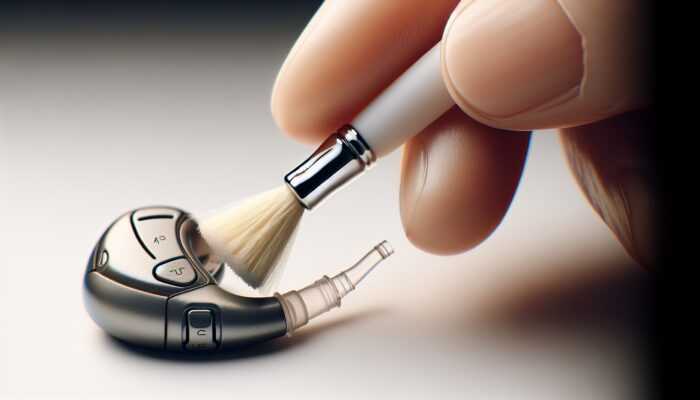
The post Earplugs for Noise Protection: Our Top Recommendations appeared first on Healthcare Marketing Service.

Categories
Health & Wellness Hearing Protection

Noise Protection Earplugs: Best Picks for Your Needs

Last Updated on 01/12/2025 by Admin

Ultimate Guide to Selecting the Right Noise Protection Earplugs

What Are Earplugs and How Do They Work?

Earplugs are small, versatile devices meticulously designed to fit snugly into the ear canal, serving as a protective barrier against unwelcome sounds. Their primary function is to safeguard hearing from harmful noise levels, water intrusion, or foreign particles. These essential tools are invaluable across a range of environments, from bustling industrial workplaces to tranquil retreats, helping individuals to preserve their <a href="https://www.earwaxremoval.net/medications-and-hearing-health-an-essential-overview/">hearing health</a> and overall comfort amid fluctuating noise levels. By significantly reducing sound intensity, earplugs play a crucial role in preventing potential auditory damage, particularly in high-risk settings such as construction sites, music concerts, or vibrant urban locales.

Discovering the Various Types of Earplugs Available

When exploring options for earplugs, you will encounter a diverse range of types specifically tailored to cater to different needs and preferences. Each variety boasts unique characteristics that enhance user experience while providing varying levels of noise reduction and comfort. Below is an overview of the primary types of earplugs currently available on the market:

  • Disposable Foam Earplugs
  • Reusable Silicone Earplugs
  • Custom-Molded Earplugs
  • Musician’s Earplugs
  • Swimming Earplugs
  • Sleep Earplugs
  • Electronic Earplugs
  • Noise-Canceling Earplugs

Given this extensive selection, it is vital to choose the right earplug based on your specific noise environment and personal comfort preferences to ensure optimal protection and effectiveness.

How Do Earplugs Provide Hearing Protection?

Earplugs function by establishing a physical barrier within the ear canal that diminishes the amplitude of sound waves before they reach the eardrum. This barrier absorbs or reflects sound waves, leading to a substantial decrease in their intensity. The effectiveness of earplugs largely hinges on their design and materials, as different types are capable of blocking various sound frequencies. This auditory protection is particularly crucial in environments with sustained high decibel levels, such as concerts, construction sites, or busy urban areas. By reducing sound exposure, earplugs significantly contribute to promoting overall hearing health and enhancing user comfort.

What Are the Major Benefits of Using Earplugs?

The advantages of incorporating earplugs into your daily routine extend far beyond mere sound reduction. Primarily, they serve as a vital preventative measure against hearing loss, especially for individuals who frequently find themselves in loud environments. Additionally, earplugs significantly alleviate stress and fatigue caused by excessive noise, allowing for a more relaxed mental state. Sleep quality also experiences a marked improvement, as earplugs effectively block disruptive sounds like snoring or traffic noise, facilitating restorative rest. Furthermore, they boost concentration levels in noisy settings, proving invaluable for anyone needing to maintain focus amidst distractions.

Key Features to Consider When Selecting Earplugs

Grasping the Importance of Noise Reduction Rating (NRR)

The Noise Reduction Rating (NRR) is a fundamental factor to consider when selecting earplugs. This rating provides a quantitative measure of how effectively a specific pair of earplugs can attenuate sound levels. The higher the NRR, the greater the sound reduction these earplugs provide, which is particularly vital in high-decibel environments such as factories, concerts, or sporting events. Opting for earplugs with an appropriate NRR tailored to your specific noise exposure is essential for achieving optimal protection and comfort. Understanding NRR empowers users to choose earplugs that align with their unique needs and circumstances.

Prioritising Comfort and Fit When Choosing Earplugs

Comfort and fit are crucial considerations for the effective use of earplugs. Ill-fitting earplugs can lead to discomfort, prompting users to remove them and thereby compromising their noise protection. To ensure maximum comfort and fit, consider the following guidelines:

  • Select the right size based on your ear canal dimensions.
  • Experiment with various materials (foam, silicone, etc.) to identify your preferred option.
  • Ensure a snug fit without causing excessive pressure.
  • Look for earplugs designed for prolonged wear, especially for sleeping or working.

Finding earplugs that fit well allows for comfortable all-night wear or long durations, thereby enhancing their noise reduction capabilities and overall effectiveness.

Assessing the Durability and Reusability of Earplugs

When selecting earplugs, it is imperative to assess their durability and reusability. Reusable earplugs tend to be more economical over time and environmentally friendly, as they reduce waste associated with disposable options. On the other hand, disposable earplugs offer convenience and can be more hygienic for specific situations, like travel or shared environments. The ideal choice will hinge on your lifestyle, frequency of use, and particular noise exposure situations, striking a balance between convenience and sustainability to effectively meet your needs.

Expert Insights for Selecting the Best Earplugs for Noise Protection

What Recommendations Do Audiology Experts Make for Earplug Usage?

Audiology and occupational health experts consistently advocate for earplugs with a high Noise Reduction Rating (NRR) in environments characterized by extreme noise levels. They emphasise that comfort and fit are critical to ensuring consistent use. For instance, musicians frequently rely on custom-moulded earplugs, which provide adequate sound attenuation while maintaining sound fidelity. Additionally, in industrial settings, experts recommend earplugs specifically designed for extended wear, minimising discomfort during long shifts.

How Can You Effectively Choose the Right Earplugs for Your Needs?

Selecting the appropriate earplugs requires careful consideration of multiple factors, including the specific noise environment and your personal comfort preferences. Experts suggest the following actionable steps to find the best earplugs:

  • Assess the noise levels in your environment to determine the necessary NRR.
  • Experiment with different types and materials to pinpoint your comfort preferences.
  • Prioritise a snug fit by testing earplugs before purchase.
  • Seek advice from audiologists or hearing professionals for tailored recommendations.

By following these steps, you can identify earplugs that provide the best protection while ensuring your comfort during use.

What Are the Latest Innovations in Earplug Technology?

The earplug industry has experienced extraordinary innovations aimed at enhancing user experience and offering superior protection. Recent advancements include smart earplugs featuring adjustable noise reduction levels, enabling users to tailor their hearing protection to their specific environment. Additionally, there are earplugs designed explicitly for unique activities, such as swimming or sleeping, with an emphasis on comfort and usability. Many of these innovations utilise cutting-edge materials that improve sound isolation while ensuring comfort, reflecting the ongoing evolution of technology in this essential field.

How Do Earplugs Affect Long-term Hearing Health?

Regular use of earplugs can significantly influence long-term hearing health. Experts assert that consistent protection from loud sounds can substantially reduce the risk of noise-induced hearing loss and other auditory complications. Longitudinal studies demonstrate that individuals who frequently utilise earplugs in high-noise environments exhibit lower rates of hearing damage compared to those who do not. By incorporating earplugs into your daily routine, particularly in noisy settings, you can help safeguard your hearing for years to come.

Top Recommendations for Earplugs Across Diverse Noise Environments

Best Earplugs for Industrial Environments

Industrial workplaces frequently expose employees to hazardous noise levels, making specialised earplugs essential for effective hearing protection. These earplugs are generally designed with high NRR ratings, allowing them to effectively block harmful sound frequencies. They are also crafted for comfort, enabling prolonged wear during long shifts. Many industrial earplugs are made from durable materials that withstand wear and tear, ensuring they deliver consistent performance. Furthermore, some models include integrated filters that facilitate communication while still providing essential noise protection.

Earplugs Specifically Designed for Sleep Enhancement

Quality sleep is crucial for overall health, and using earplugs can significantly improve sleep quality by blocking out disruptive noises. Sleep-focused earplugs are often constructed from soft materials that comfortably mould to the ear canal, allowing for all-night wear without discomfort. Their primary role is to reduce sounds that can disrupt sleep, such as snoring, traffic noise, or loud neighbours. Many users discover that investing in high-quality sleep earplugs leads to deeper, more restorative sleep, which is essential for maintaining health and well-being in today’s fast-paced world.

Specialised Earplugs for Musicians’ Hearing Protection

Musician’s earplugs are specifically engineered to reduce sound levels uniformly across all frequencies, preserving the integrity of the music while simultaneously protecting hearing. They enable musicians to hear their instruments clearly while minimising the risk of long-term hearing damage associated with prolonged exposure to loud environments, such as concerts or rehearsals. These earplugs often come with interchangeable filters that allow users to customise sound reduction based on their unique needs, ensuring that musicians can safeguard their hearing without sacrificing sound quality.

Practical Methods for Using and Maintaining Earplugs

Steps for Proper Earplug Insertion

Proper insertion of earplugs is vital for maximising their effectiveness in noise protection. Techniques may vary depending on the earplug type, but a general method includes the following steps:

  • Roll the foam earplug into a cylindrical shape to compress it.
  • Gently pull the outer ear upward and back to straighten the ear canal.
  • Insert the compressed earplug into the ear canal and hold it in place for a few seconds.
  • Ensure a snug fit without pushing it too deeply into the ear.

By adhering to these steps, you enhance the seal created by the earplugs, improving their noise-reduction capabilities and ensuring comfort during wear.

How Often Should You Replace Your Earplugs?

The frequency of earplug replacement depends on their type and usage. Disposable earplugs should ideally be replaced after each use to ensure optimal hygiene and sound attenuation. Conversely, reusable earplugs can last anywhere from a few weeks to several months, contingent upon how well they are maintained. Regularly inspecting reusable earplugs for signs of wear, tear, or degradation is essential to ensure their effectiveness. Monitoring usage frequency can assist in establishing a consistent replacement routine, ensuring ongoing protection for your hearing.

Cleaning and Storing Reusable Earplugs Effectively

Maintaining hygiene and effectiveness is crucial for reusable earplugs. Regular cleaning helps prevent the accumulation of bacteria and earwax, which can compromise sound quality and overall ear health. To clean reusable earplugs, gently wash them with mild soap and warm water, ensuring they are free of dirt and grime. After cleaning, allow them to dry completely before storing. Store earplugs in a clean, dry case to avert contamination and damage. Proper cleaning and storage practices not only extend the lifespan of earplugs but also ensure they remain effective for noise protection over time.

Investigating the Health Benefits of Earplugs

What Health Benefits Do Earplugs Offer?

The health benefits of using earplugs are substantial, particularly in preventing hearing loss and related auditory issues. By blocking harmful noise levels, earplugs help protect the delicate structures of the inner ear from damage associated with excessive sound exposure. This protection is critical for individuals working in loud environments, such as factories or concert venues. Moreover, earplugs can alleviate stress levels caused by constant noise, contributing to improved mental health and overall well-being. Prioritising hearing protection is an essential aspect of maintaining long-term auditory health.

How Do Earplugs Enhance Quality of Life?

Earplugs can significantly improve the quality of life by minimising noise pollution and its associated stressors. By reducing disruptive sounds, they facilitate improved concentration and focus in both professional and personal settings. Consequently, this can lead to increased productivity, better sleep, and enhanced relaxation. Individuals residing in bustling urban areas or near noisy neighbours can particularly benefit from earplugs, as they create a more peaceful living environment. Such improvements can result in a more balanced and enjoyable life, allowing individuals to engage more fully in their daily activities and responsibilities.

Can Earplugs Boost Focus and Productivity?

Earplugs serve as effective tools for enhancing focus and productivity by blocking out distracting noises. In noisy work environments, earplugs provide the necessary quiet to concentrate on essential tasks, leading to improved efficiency and task completion. Research indicates that individuals using earplugs report heightened levels of concentration while working, particularly during tasks requiring deep mental engagement. For those engaged in creative or analytical work, earplugs can foster a sound environment conducive to innovation and productivity, making them indispensable tools for professionals aiming to optimise their performance and output.

Proven Strategies for Selecting the Best Earplugs for Noise Protection

What Best Practices Should You Follow for Effective Earplug Use?

Implementing best practices for earplug usage can significantly enhance their effectiveness in protecting hearing. It is vital to select earplugs appropriate for your specific noise environment. For example, individuals in industrial settings should prioritise earplugs with a high NRR, while those using them for sleep may focus on comfort. Ensuring proper fit is crucial, as poorly fitted earplugs can lead to discomfort and reduced efficacy. Additionally, maintaining hygiene by regularly cleaning and properly storing earplugs can prolong their lifespan and effectiveness. Real-world examples of best practices include workshops in workplaces to educate employees on proper earplug use and maintenance, ensuring they understand the importance of protecting their hearing.

How Can You Effectively Educate Others About Earplug Usage?

Educating others about earplug usage involves raising awareness of their benefits and demonstrating proper usage techniques. Effective strategies can include hosting informational workshops, creating educational materials, and utilising social media campaigns to reach broader audiences. Demonstrating the correct insertion methods and emphasising the significance of regular use in noisy environments can enhance understanding. Sharing real-life stories and testimonials can also effectively motivate individuals to adopt earplug use as part of their daily routine. Collaborating with hearing specialists or occupational health professionals can lend credibility to these educational initiatives, fostering a culture of hearing protection and awareness.

What Common Mistakes Should You Avoid When Using Earplugs?

Several common mistakes can undermine the effectiveness of earplug use. A critical error is selecting earplugs with an inadequate NRR for the specific noise environment, which can lead to insufficient protection. Additionally, improper insertion is a frequent issue, as many users fail to achieve the snug fit necessary for optimal noise reduction. Neglecting to replace or clean earplugs regularly can also diminish their effectiveness, leading to hygiene concerns. By avoiding these pitfalls and ensuring proper use, individuals can maximise the effectiveness of their earplugs in protecting their hearing and enhancing overall comfort.

Understanding the Role of Earplugs in Hearing Health

What Are the Consequences of Noise Exposure on Hearing?

Prolonged exposure to loud noises can lead to severe hearing health consequences, including irreversible damage such as hearing loss, tinnitus, and various auditory complications. The intensity and duration of sound exposure are critical factors in determining the extent of potential damage. Earplugs serve as a preventative measure, significantly reducing the risks associated with noise exposure by lowering sound intensity before it reaches the inner ear. This level of protection is especially essential in environments with sustained high decibel levels, underscoring the importance of incorporating earplugs into daily routines where noise levels pose a concern.

How Can Earplugs Effectively Prevent Hearing Loss?

Earplugs effectively prevent hearing loss by blocking or substantially reducing the intensity of sound waves, thereby protecting the delicate structures of the inner ear. By minimising exposure to loud sounds, earplugs help avert permanent damage that can arise from prolonged noise exposure, such as acoustic trauma and sensorineural hearing loss. Regular use of earplugs in high-noise environments, like construction sites or concerts, serves as a proactive strategy for preserving hearing health. Understanding the link between earplugs and hearing protection is crucial for anyone concerned about long-term auditory well-being and health.

When Should You Consult a Hearing Specialist?

Consulting a hearing specialist is advisable if you experience symptoms such as hearing loss, ringing in the ears (tinnitus), or difficulty understanding speech, even when using earplugs consistently. Early intervention is vital to prevent further damage and address any underlying issues. Additionally, if you find that earplugs do not provide the expected relief from noise-related discomfort or if you have concerns about ear health, seeking professional advice is prudent. Regular hearing evaluations can assist in monitoring auditory health, allowing for timely interventions when necessary to maintain hearing wellness.

Future Innovations and Trends in Earplug Technology

What Emerging Technologies Are Shaping Earplug Development?

Emerging technologies in earplugs are revolutionising the approach to hearing protection. Innovations include smart earplugs equipped with adjustable noise reduction features, allowing users to tailor their sound environment according to personal preferences and surroundings. Furthermore, advancements like Bluetooth connectivity enable users to integrate their earplugs with mobile devices for enhanced functionality, such as music streaming and noise monitoring. These cutting-edge technologies not only enrich user experience but also expand the applications of earplugs across diverse activities, making them invaluable tools for modern living while ensuring optimal auditory health.

How Will Earplug Design Evolve in the Future?

The design of earplugs is expected to evolve towards greater customisation and comfort, incorporating user feedback and advanced materials. Future designs may feature ergonomic shapes that conform to individual ear anatomy, providing a better fit and improved noise isolation. Environmental sustainability is also anticipated to be a central focus, with manufacturers exploring eco-friendly materials and production processes. As technology continues to advance, earplugs may incorporate more integrated functionalities, such as real-time monitoring of sound levels and health data, leading to a more holistic approach to hearing protection and management.

What Role Will Earplugs Play in Future Noise Management Strategies?

Earplugs will continue to be vital components of future noise management strategies, especially as noise pollution becomes an increasingly pressing issue in urban areas. As awareness of the health impacts of noise increases, earplugs will serve as essential tools for individuals seeking to mitigate exposure in both work and leisure settings. Their adaptability allows users to customise their protection according to specific environments, promoting better auditory health. Alongside other noise reduction technologies, earplugs will form a foundational element of comprehensive strategies aimed at enhancing public health and improving quality of life.

How Will Regulatory Standards Influence Earplug Innovations?

Regulatory standards will significantly influence earplug innovation by establishing safety and performance benchmarks that manufacturers must adhere to. These standards promote technological advancements aimed at improving the efficacy and comfort of earplugs, ensuring consumers receive effective protection. As regulations evolve, manufacturers will be compelled to innovate continuously, incorporating new materials and designs that meet stringent safety requirements. This dynamic interplay between regulation and innovation will ultimately lead to superior earplug products that enhance user experience and ensure auditory protection.

Frequently Asked Questions About Earplugs

What Are the Best Types of Earplugs for Effective Noise Protection?

The best types of earplugs for effective noise protection include disposable foam earplugs for convenience, reusable silicone earplugs for comfort, and custom-moulded options tailored for a personalised fit, ensuring optimal noise reduction and comfort.

How Can I Determine If I Need Earplugs?

If you frequently find yourself in loud environments or struggle to concentrate due to excessive noise, earplugs can provide substantial benefits for hearing protection and enhanced focus, making them a worthwhile investment for your auditory health.

Can Earplugs Assist with Sleep Difficulties?

Yes, earplugs can dramatically improve sleep quality by blocking out disruptive noises such as snoring or traffic, allowing for a more restful and uninterrupted night’s sleep, which is crucial for overall health and well-being.

Are There Specific Earplugs Designed for Musicians?

Absolutely! Musician’s earplugs are specifically engineered to reduce sound levels while preserving sound quality, making them ideal for use during concerts and rehearsals without compromising auditory experiences.

How Often Should I Clean My Reusable Earplugs?

Reusable earplugs should be cleaned regularly, ideally after each use, to maintain hygiene and prevent bacteria buildup that could negatively affect ear health and sound quality.

What Is the Purpose of the Noise Reduction Rating (NRR)?

The Noise Reduction Rating (NRR) indicates the degree to which earplugs can block sound, assisting users in selecting the appropriate earplugs for their specific noise environments and ensuring effective hearing protection.

Can I Use Earplugs While Swimming?

Yes, there are earplugs specifically designed for swimming that help prevent water from entering the ear canal while providing comfort and a secure fit, ensuring a pleasant swimming experience without compromising ear health.

Is It Safe to Wear Earplugs Every Night?

Wearing earplugs every night is generally safe, provided they are clean and fit properly to avoid potential issues such as ear infections or discomfort. Regular cleaning and proper insertion are key to safe usage.

What Should I Do If I Experience Pain While Using Earplugs?

If you experience pain while using earplugs, it is advisable to discontinue use immediately and consult a healthcare professional to check for potential issues, such as ear canal irritation or incorrect fit, ensuring your ear health is prioritised.

How Can I Choose the Right Earplugs for My Specific Needs?

To choose the right earplugs, assess the noise levels in your environment, experiment with different types and materials for comfort, and consult with experts for personalised recommendations tailored to your specific auditory needs.

Explore our journey on X!

The post Earplugs for Noise Protection: Our Top Recommendations appeared first on The Microsuction Ear Wax Removal Network.

Categories
Ear Care Health & Wellness

Early Ear Health Problems: Recognising Key Universal Signs

Last Updated on 01/12/2025 by Admin

Understanding Common Ear Health Issues and Their Implications

Comprehensive Overview of Different Types of Ear Infections

Ear infections are a prevalent health concern that affects individuals across all age groups. These infections can be categorised into three main types: otitis externa, otitis media, and otitis interna. Otitis externa, commonly known as swimmer’s ear, targets the outer ear canal and is often caused by residual water remaining in the ear after swimming. This trapped moisture fosters an ideal environment for bacteria or fungi to thrive, leading to inflammation and infection. Symptoms typically include itching, redness, and discomfort in the outer ear, which can substantially hinder daily activities and overall quality of life.

In contrast, otitis media occurs in the middle ear and is particularly common among children. This infection often follows a cold or respiratory infection, resulting in fluid build-up behind the eardrum. The pressure from this fluid accumulation can cause considerable ear pain, fever, and irritability in children. If left untreated, otitis media can lead to serious complications, including hearing loss and recurrent ear infections that may necessitate surgical intervention.

Lastly, otitis interna impacts the inner ear and, while less frequent, can be exceptionally serious. This infection may result in balance disturbances and is often linked to viral infections such as influenza. Each type of ear infection requires specific treatment strategies, which can range from antibiotic therapy to surgical drainage procedures, highlighting the necessity for early diagnosis and prompt treatment for effective recovery.

Recognising Symptoms of Ear Health Problems for Timely Intervention

Being aware of the signs that indicate ear problems is crucial for enabling prompt medical intervention, which is vital for maintaining good ear health. Common symptoms to monitor include ear pain, which can range from a dull ache to sharp discomfort, often signalling an underlying issue that requires immediate attention. Hearing loss is another critical symptom; it may manifest as difficulty in participating in conversations or sounds that appear muffled. Additionally, discharge from the ear, especially when accompanied by an unusual odour, can indicate an infection or a perforated eardrum that demands urgent evaluation.

Other symptoms to be vigilant for include sensations of fullness in the ear, tinnitus (ringing in the ears), or balance issues. Early recognition of these symptoms allows for timely medical interventions that can significantly enhance outcomes. For example, if persistent ear pain or sudden hearing loss occurs, consulting a healthcare provider is essential. Early detection and treatment can avert complications and promote enduring ear health.

When Should You Seek Medical Assistance for Ear-Related Problems?

Understanding when to seek medical assistance for ear-related concerns is vital for preventing further complications. If symptoms persist for more than two days, it is imperative to consult a healthcare professional. Additionally, severe pain that disrupts everyday activities, coupled with a high fever or noticeable hearing loss, necessitates immediate medical attention to avert deteriorating conditions.

Taking swift action can prevent more severe consequences, such as chronic infections or lasting hearing impairment. For instance, if a child exhibits irritability alongside ear pain and fever, it is advisable to seek a paediatric evaluation without delay. Early intervention, whether through antibiotics, ear drops, or other treatment modalities, can significantly enhance the healing process and facilitate a return to normal ear health.

What Preventative Measures Can You Implement to Safeguard Ear Health?

The Significance of Maintaining Proper Ear Hygiene

Practising proper ear hygiene is a fundamental step in averting a variety of common ear problems. Regular cleaning is essential to remove excess earwax, debris, and moisture that can contribute to infections. It is crucial, however, to clean the outer ear gently with a soft cloth, avoiding the insertion of objects like cotton swabs into the ear canal. Inserting such items may push wax deeper and potentially cause damage to the eardrum, leading to further complications.

In addition to surface cleaning, ensuring that the ears dry adequately after swimming or bathing is beneficial. Trapped moisture can create a breeding ground for bacteria or fungi, leading to conditions such as swimmer’s ear. For individuals prone to infections, utilising a hairdryer set to low and cool at a safe distance can help evaporate excess moisture safely without causing harm.

Moreover, steering clear of known irritants, such as smoke and harsh chemicals, can further bolster ear health. Establishing a routine that incorporates these hygiene practices significantly decreases the likelihood of developing ear infections and other related issues, thereby promoting long-term well-being.

Implementing Protective Measures During Activities to Preserve Ear Health

Protecting your ears during various activities is essential, especially when exposed to loud noises or water. Using earplugs while swimming can prevent water from entering the ear canal, thus reducing the risk of infections like otitis externa. Similarly, wearing noise-cancelling headphones or earplugs in loud environments, such as concerts or construction sites, can safeguard your hearing from potential long-term damage.

When participating in activities such as skiing or biking, consider wearing a helmet equipped with ear protection to shield your ears from cold winds and possible impacts. Additionally, if your job involves exposure to loud noises, implementing sound-dampening measures and taking regular breaks away from the noise can help preserve your hearing health over time.

Lastly, being conscious of volume levels when using headphones or earbuds is crucial. Keeping the volume at safe levels and incorporating regular breaks can help avert noise-induced hearing loss. These protective measures can significantly contribute to maintaining good ear health in the long run.

Understanding the Preventative Role of Vaccinations for Ear Health

Vaccinations play a pivotal role in preventing ear infections by reducing the risk of illnesses that can lead to them. For instance, the flu vaccine helps lower the likelihood of respiratory infections, which can trigger middle ear infections, particularly in children. Vaccinations against pneumococcal bacteria and Haemophilus influenzae type b (Hib) are also essential for preventing specific types of ear infections.

Staying current with recommended vaccines is an effective strategy for safeguarding ear health, especially for children who are more vulnerable to these infections. Parents should ensure their children receive vaccines on schedule and engage in discussions regarding any concerns with their paediatrician to promote optimal health.

Furthermore, advocating for vaccination initiatives within community settings can help diminish the overall incidence of ear infections. By understanding the critical role of vaccines in supporting ear health, individuals can take proactive steps to mitigate their risk and that of their loved ones, ensuring a healthier future for everyone’s ears.

Expert Insights on Early Detection of Ear Health Issues

Real-World Examples Demonstrating the Importance of Early Detection

Early detection of ear health problems often hinges on recognising subtle changes in hearing or behaviour. For instance, a child who suddenly struggles to follow conversations in noisy environments may be indicating a developing hearing issue. Paying close attention to these signs and acting swiftly can prevent complications from escalating.

Experts stress that careful monitoring can yield significant insights into ear health. Here are some real-world examples illustrating the value of early detection:

  • A child persistently tugging at their ear may indicate discomfort or pain, necessitating further investigation.
  • An adult noticing difficulty in discerning high-pitched sounds might be experiencing early signs of hearing loss that should be evaluated.
  • A sudden increase in earwax production could suggest a blockage, prompting a necessary check-up.
  • Frequent ear infections occurring within a short time frame can signify an underlying issue that requires professional evaluation.
  • Changes in equilibrium, such as feelings of being off-balance, may point to inner ear problems that need attention.

By maintaining vigilance and recognising these signs, individuals can seek timely intervention, which is crucial for effective treatment and management of ear health issues, ultimately preserving hearing and overall well-being.

Practical Steps for Regular Ear Health Monitoring

Regular ear checks are vital for maintaining ear health and can be performed at home or by a healthcare professional. Individuals should remain attentive to changes in hearing, balance, or the appearance of their ears. Here are some practical steps to incorporate into regular ear checks:

  • Observe any changes in hearing, particularly in noisy settings, and note if you frequently ask others to repeat themselves.
  • Check for any discomfort or pain in the ear; any persistent pain should prompt a visit to a healthcare provider.
  • Monitor earwax accumulation; while some wax is normal, excessive buildup can result in blockages that require professional intervention.
  • Be aware of any ringing or buzzing sounds in the ears, known as tinnitus, as this can indicate underlying issues needing attention.
  • Note any balance problems, as these may involve the inner ear and warrant evaluation by a specialist.

Incorporating these steps into your routine allows for early detection of potential issues, facilitating timely treatment. Regular self-assessments, along with professional evaluations, establish a solid foundation for proactive ear health management.

Clarifying Common Misconceptions About Ear Health

Misconceptions surrounding ear health can lead to harmful practices, and one prevalent belief is that earwax removal is always necessary. Experts clarify that earwax, or cerumen, serves several important functions, including protecting the ear canal from dust, debris, and microorganisms. Unless earwax buildup causes symptoms like hearing loss or pain, there is generally no need for removal.

Another misconception is that ear infections only occur during winter months. In reality, they can happen year-round, especially in children during allergy seasons or after swimming. Many also mistakenly believe that a popping sound in the ears indicates an ear infection. However, this popping sound can often be a normal response to pressure changes, such as during air travel or diving.

Understanding these misconceptions is crucial for maintaining ear health. By relying on expert insights rather than myths, individuals can adopt safer practices and seek appropriate care when necessary to address any concerns effectively.

The Vital Importance of Early Intervention in Ear Health Management

Early intervention serves as a cornerstone of effective ear health management. Recognising and acting upon early signs of ear health issues can significantly enhance outcomes and reduce the risk of complications. For instance, a child with recurrent ear infections may benefit from early treatment to prevent subsequent hearing loss, which can affect speech and language development.

Experts emphasise the necessity of taking immediate action upon detecting early warning signs. For example, if an adult experiences sudden hearing loss, seeking evaluation promptly can determine the cause and initiate treatment, which is crucial for preserving hearing function and overall quality of life.

Successful early interventions can range from simple lifestyle changes, such as incorporating protective measures during noisy activities, to medical treatments like antibiotics. By grasping the value of early detection and intervention, individuals can take proactive steps to protect their ear health and overall well-being.

Harnessing Technology for Early Detection of Ear Health Issues

The integration of technology into ear health monitoring has proven beneficial for enhancing early detection capabilities. Various hearing apps and devices can aid in tracking changes in hearing and sound exposure, enabling users to recognise potential issues sooner rather than later.

Technological advancements have simplified the process of monitoring ear health. Here are some useful technologies for early detection:

  • Hearing apps that analyse sound environments and provide feedback on hearing levels to users.
  • Wearable devices that monitor noise exposure and alert users when they are in potentially harmful environments.
  • Smartphone applications that allow users to conduct basic hearing tests and track changes over time.
  • Telehealth services that facilitate remote consultations with audiologists or ENT specialists for quick evaluations.

Incorporating these technologies into daily routines empowers individuals to take charge of their ear health. By leveraging technology, users can stay informed and act quickly when detecting changes, making proactive ear health management more attainable than ever.

What Indications Suggest Hearing Loss Might Be Occurring?

Challenges in Comprehending Speech as a Sign of Hearing Loss

One of the most definitive signs of hearing loss is difficulty understanding speech, especially in noisy environments. Individuals may struggle to follow conversations in crowded places or may frequently find themselves asking others to repeat what they have said. This challenge can lead to feelings of frustration and social withdrawal, significantly impacting relationships and overall quality of life.

Hearing loss often develops gradually, making it essential to pay attention to these subtle signs. Engaging in conversations can become increasingly taxing, and individuals may start to rely on visual cues or lip-reading to comprehend speech. Being aware of these changes can prompt early intervention, which is critical for effective management and treatment of hearing loss.

Moreover, recognising these difficulties early allows for timely evaluations by healthcare professionals. Audiologists can conduct comprehensive assessments to determine the extent of hearing loss and recommend appropriate interventions, such as hearing aids or auditory therapy to enhance communication efficacy.

Frequently Increasing Volume on Devices as a Red Flag for Hearing Loss

The necessity to frequently increase the volume on devices, such as televisions or phones, serves as another common early warning sign of hearing loss. If you find yourself consistently adjusting the volume higher than what others require, it may indicate a gradual decline in your hearing ability.

This behaviour often reflects a growing need to amplify sound to perceive it clearly, which can lead to habits that further exacerbate hearing issues. Social situations may become increasingly frustrating, as conversations that once flowed easily become challenging due to background noise. Recognising this sign and taking action can help prevent further deterioration of hearing capabilities.

Consulting with an audiologist can address these concerns early. Professional hearing evaluations can identify the underlying causes of hearing loss and suggest appropriate solutions, such as assistive listening devices or hearing aids, that can significantly improve quality of life and restore meaningful communication.

Social Withdrawal as a Consequence of Hearing Challenges

Social withdrawal serves as a significant indicator of hearing loss, as individuals may feel embarrassed or frustrated by their inability to engage in conversations. This withdrawal can lead to isolation and decreased quality of life, compounding the effects of hearing loss. Friends and family may notice behavioural changes, such as avoiding gatherings or appearing disengaged during conversations, reflecting the emotional toll of unaddressed hearing difficulties.

Recognising this sign is crucial, as social interaction plays a vital role in mental health and overall well-being. Encouraging open discussions about hearing difficulties can foster understanding and support among loved ones, making it easier for those affected to seek necessary help.

By acknowledging these emerging trends early, individuals can take proactive steps to address their hearing health. Audiologists can provide tailored recommendations and support, helping to re-engage individuals in social settings and improve their overall quality of life through effective communication strategies.

Identifying Symptoms of Ear Problems in Children

Behavioural Changes as Indicators of Ear Issues in Children

Children often lack the ability to articulate their discomfort regarding ear health, making behavioural changes crucial indicators of potential issues. Symptoms such as irritability, difficulty sleeping, or frequently tugging at their ears can signal underlying ear problems that need attention.

For instance, a child who becomes increasingly fussy or inconsolable may be experiencing ear pain. Parents should remain vigilant for these signs, as early recognition can lead to timely medical evaluations and appropriate treatment. Furthermore, children may struggle with attention and focus in school, which could be linked to undiagnosed hearing problems that need to be addressed promptly.

Additionally, changes in a child’s behaviour, like heightened sensitivity or avoidance of loud environments, can indicate evolving ear health issues that warrant further investigation. Understanding these behavioural cues allows parents to seek appropriate care, prioritising their child’s hearing and overall health.

How Can You Recognise an Ear Infection in a Child?

Identifying an ear infection in children can be challenging, as they may not communicate their discomfort verbally. However, certain symptoms can provide essential clues. Look for signs such as ear pain, which may lead the child to tug or rub at their ears, and elevated fever. Additionally, fluid drainage from the ear can indicate an infection or a ruptured eardrum that requires medical assessment.

In conjunction with these symptoms, children may exhibit behavioural changes, such as increased irritability, difficulty sleeping, or a decreased appetite. If a child displays these signs, particularly alongside hearing troubles or balance issues, seeking medical attention is crucial for effective diagnosis and treatment.

Timely diagnosis and treatment of ear infections can prevent complications, including temporary or prolonged hearing loss. Paediatricians can evaluate the situation and determine the best course of action, ensuring optimal ear health for the child and supporting their developmental progress.

The Crucial Importance of Regular Check-ups for Children’s Ear Health

Regular check-ups for children are a vital aspect of preventative healthcare, particularly concerning ear health. Routine paediatric visits allow healthcare providers to monitor a child’s ear health and developmental milestones. These check-ups provide an opportunity to identify potential ear issues before they escalate into more serious conditions.

During these visits, doctors can conduct hearing assessments and check for signs of fluid build-up in the ears. Early detection of issues such as ear infections or hearing loss can lead to timely interventions, minimising long-term impacts on a child’s speech and language development.

Parents should prioritise these routine visits, especially if there is a family history of ear problems. Establishing a proactive approach to ear health contributes to a child’s overall well-being and developmental success, ensuring they thrive as they grow and navigate various life stages.

Effective Strategies for Detecting Early Ear Health Problems

Utilising Technology for Comprehensive Monitoring of Ear Health

The advent of technology has transformed how we monitor ear health. Wearable devices and applications that track sound exposure and changes in hearing can play a substantial role in early detection. These technologies empower individuals to take control of their ear health and recognise potential issues before they escalate into significant concerns.

Here are some technologies that can assist in monitoring ear health:

  • Hearing apps that provide sound exposure tracking and basic hearing assessments for users.
  • Noise-cancelling headphones that protect against harmful sound levels, preserving hearing quality.
  • Wearable sound level meters that alert users to excessive noise exposure, promoting safer listening habits.
  • Telehealth platforms facilitating remote consultations with audiologists or ENTs for timely evaluations.

Integrating these technologies into daily routines can enhance awareness and encourage proactive management of ear health. By leveraging technological advancements, individuals can stay informed and take necessary actions to prevent potential complications, ensuring long-term hearing health and overall well-being.

The Significance of Professional Evaluations for Optimal Ear Health

Regular evaluations conducted by healthcare professionals, such as audiologists or ENT specialists, are crucial for the early detection of ear health issues. These experts can perform comprehensive assessments and identify problems that may not be evident during routine self-checks. Professional evaluations often include hearing tests, examinations of the ear canal, and assessments of balance that provide a thorough understanding of ear health.

It is essential to consult professionals if you experience persistent symptoms like changes in hearing, ear pain, or balance issues. They can offer tailored advice, recommend interventions like hearing aids, or initiate treatment plans for infections that could compromise ear health.

Establishing a professional relationship with an audiologist or ENT can foster a proactive approach to ear health management. Regular check-ups ensure that any emerging issues are addressed promptly, contributing to long-term ear health and overall well-being.

Community and Family Engagement in Ear Health Awareness

Community and family support play a vital role in recognising signs of ear health issues. Friends and family can assist by observing changes in behaviour and encouraging individuals experiencing symptoms to seek professional help. Building a supportive network fosters awareness of ear health and empowers individuals to prioritise their well-being.

For instance, family members can help monitor changes in behaviour or hearing ability, prompting timely consultations with healthcare professionals. Community programmes that promote awareness of ear health can also provide resources and support for families facing these challenges.

By cultivating an environment of open communication regarding ear health, communities can ensure individuals feel supported in addressing potential issues. This collective awareness can lead to early detection and intervention, ultimately enhancing ear health outcomes for everyone involved and promoting a healthier community.

Effective Self-Monitoring Techniques for Personal Ear Health Management

Self-monitoring techniques are invaluable for individuals who wish to stay attuned to their ear health. Keeping a symptom diary can help track changes over time, such as fluctuations in hearing or the presence of tinnitus. Noting when symptoms occur, their duration, and any accompanying factors can provide valuable insights for healthcare providers, aiding in more accurate assessments.

Additionally, individuals should be aware of lifestyle factors that may affect ear health, such as exposure to loud noises or poor hygiene practices. Recognising these factors can prompt proactive measures aimed at preventing issues from arising.

Regularly checking in with oneself regarding any auditory changes can help ensure that any potential problems are addressed early. Combining self-monitoring with professional evaluations creates a comprehensive approach to ear health management, empowering individuals to take charge of their well-being and maintain optimal hearing health.

Education and Awareness Initiatives for Promoting Ear Health

Public education on ear health is essential for increasing awareness of early signs of problems and encouraging timely medical consultation. Community programmes, workshops, and school-based initiatives can provide valuable information on ear health, preventive measures, and resources available for support.

Through educational campaigns, individuals can learn about the significance of regular check-ups, proper ear hygiene, and protective measures during activities. Such awareness fosters a culture of proactive ear health management, reducing the incidence of ear problems within communities and enhancing overall public health.

Moreover, empowering individuals with knowledge about auditory health encourages them to advocate for themselves and seek help when necessary. Education and awareness programmes can play a pivotal role in improving ear health outcomes and informing communities about effective strategies for prevention and early detection of ear health issues.

How Do Environmental Factors Influence Ear Health?

The Detrimental Effects of Noise Pollution on Ear Health

Noise pollution poses a significant threat to ear health, as prolonged exposure to loud sounds can lead to hearing loss over time. In urban environments, high traffic, construction, and entertainment venues contribute to elevated noise levels, making it crucial to implement protective measures for your ears in such settings.

Using earplugs or noise-cancelling headphones can mitigate the impacts of noise pollution, allowing individuals to enjoy their surroundings without risking their hearing. Additionally, raising awareness about noise levels in public spaces can encourage communities to adopt sound-dampening measures and create quieter environments conducive to better hearing health.

Investing in soundproofing technologies and advocating for policies that limit noise exposure can further enhance ear health on a larger scale. Understanding the impact of noise pollution is essential for both individuals and communities to protect hearing health and promote overall well-being.

The Consequences of Poor Air Quality on Ear Health

Air quality significantly affects ear health, as poor air quality has been linked to increased occurrences of ear infections and other health issues. Pollutants, allergens, and irritants in the air can exacerbate respiratory conditions, leading to inflammation and fluid build-up in the ear that may trigger infections.

Individuals residing in areas with high levels of air pollution should take precautions to safeguard their ear health. Staying indoors during poor air quality days, utilising air purifiers, and ensuring good ventilation can help reduce exposure to harmful substances that could compromise ear health.

Furthermore, advocating for policies that promote cleaner air can positively impact overall health, including ear health. By raising awareness of the link between air quality and ear health, individuals can take proactive steps to protect themselves and their families from potential risks associated with environmental pollutants.

The Influence of Water and Humidity on Ear Health

Water and humidity play a crucial role in ear health, particularly concerning the prevention of infections. Water that becomes trapped in the ear can lead to conditions such as swimmer’s ear, especially in humid environments where moisture is prevalent. Proper drying techniques, such as tilting the head to allow water to drain and using a towel to wipe the outer ear, can help reduce the risk of infections significantly.

Individuals living in humid climates should remain particularly vigilant about ensuring their ears dry thoroughly after swimming or bathing. Using earplugs during water activities can provide an additional layer of protection and prevent moisture build-up that could lead to infections.

Conversely, excessively dry environments can result in earwax accumulation and irritation. Maintaining a comfortable humidity level in the home can promote ear health and prevent associated issues. Understanding these environmental factors empowers individuals to take proactive steps in safeguarding their ear health and ensuring overall well-being.

Effective Strategies for Treating and Managing Ear Health Issues

Overview of Medical Treatments for Various Ear Problems

Medical treatments for ear problems vary depending on the nature and severity of the issue. For bacterial infections, antibiotics are commonly prescribed to eliminate the infection and alleviate associated symptoms. Ear drops may also be utilised to treat localized infections or provide pain relief as needed.

In more severe cases, such as chronic ear infections or significant fluid build-up, surgical options like tympanostomy tubes may be recommended. This procedure involves placing tubes in the eardrum to facilitate fluid drainage and prevent further infections from developing.

Additionally, addressing any underlying conditions that contribute to ear issues is essential. For example, treating allergies or sinus infections can significantly reduce the likelihood of developing ear infections. Early treatment is crucial, as it can prevent complications and improve overall outcomes for ear health, ensuring a better quality of life.

Evaluating Home Remedies for Ear Health Relief

Home remedies can provide relief for mild ear issues, but they should not replace professional medical advice. Common remedies include applying warm compresses to the affected ear to alleviate pain and discomfort. Over-the-counter pain relievers can also help manage symptoms effectively.

It is important to note that while home remedies can offer temporary relief, they may not address the underlying cause of ear problems. For instance, a warm compress may soothe discomfort from an ear infection, but it will not eliminate the infection itself, which requires medical treatment.

If symptoms persist or worsen, it is essential to consult a healthcare professional. Relying solely on home remedies can lead to complications, underscoring the importance of seeking appropriate medical care in conjunction with at-home treatments to ensure optimal recovery and ear health.

Long-Term Strategies for Effective Ear Health Management

Long-term management of ear health issues necessitates a multifaceted approach that includes regular check-ups, protective measures, and lifestyle adjustments. Establishing a routine of annual visits to an audiologist or ENT specialist can help monitor ear health and detect any emerging issues before they escalate.

Implementing protective measures, such as using earplugs in noisy environments and practising good ear hygiene, can significantly reduce the risk of developing ear problems. Additionally, individuals should be mindful of their overall health, including managing allergies and staying updated on vaccinations to prevent infections.

Lifestyle adjustments, such as maintaining a balanced diet rich in essential vitamins and minerals, can also promote ear health. Staying hydrated and avoiding smoking or secondhand smoke can further contribute to long-term ear health. By adopting these strategies, individuals can effectively manage their ear health over time and reduce the risk of complications, ensuring a healthier future.

Preventive Strategies for Optimal Ear Health Maintenance

Preventive strategies are essential for safeguarding ear health and minimising the risk of ear problems. One of the primary strategies is avoiding exposure to loud noises, which can lead to irreversible hearing loss. Wearing ear protection in noisy environments is crucial for preserving hearing and maintaining overall ear health.

Maintaining proper ear hygiene is another vital preventive measure. Regularly cleaning the outer ear and avoiding the insertion of objects can help prevent infections and blockages that may cause discomfort or complications. Additionally, it is essential to dry the ears thoroughly after swimming or bathing to minimise the risk of moisture-related infections.

Furthermore, staying up-to-date with vaccinations can help prevent ear infections. Ensuring that children receive recommended vaccines can significantly reduce the incidence of ear-related issues and enhance their overall health. By implementing these preventive strategies, individuals can take proactive steps to protect their ear health and well-being.

Recognising When to Seek Professional Help for Ear Issues

Understanding when to seek professional help for ear health issues is vital for preventing serious complications. Individuals should consult a healthcare provider if symptoms persist, worsen, or if they experience severe pain, hearing loss, or discharge from the ear.

In cases of sudden hearing loss or balance issues, immediate medical attention is crucial. Prompt intervention can significantly improve outcomes and prevent permanent damage to hearing.

Additionally, if a child exhibits symptoms such as persistent irritation, difficulty sleeping, or recurrent ear infections, seeking paediatric evaluation is essential. Early diagnosis and treatment can mitigate potential long-term impacts on hearing and overall health. By being proactive and recognising the signs that warrant professional help, individuals can ensure timely and effective management of ear health issues.

Frequently Asked Questions Regarding Ear Health

What Are the Most Common Issues Affecting Ear Health?

The most common ear health issues include ear infections (such as otitis media and otitis externa), hearing loss, and tinnitus. These conditions can impact individuals of all ages and require prompt attention for effective management and treatment.

How Can I Determine If I Have an Ear Infection?

Signs of an ear infection include ear pain, high fever, fluid drainage from the ear, and difficulty hearing. If you experience these symptoms, it’s essential to consult a healthcare professional for a thorough evaluation and appropriate treatment.

Are There Specific Symptoms to Watch for Regarding Hearing Loss?

Common symptoms of hearing loss include difficulty understanding speech, frequently needing to increase the volume on devices, and social withdrawal resulting from communication challenges. Being aware of these signs can help individuals seek timely intervention.

What Steps Can Be Taken to Prevent Ear Infections?

Preventing ear infections involves maintaining good ear hygiene, avoiding exposure to known allergens, and staying updated on vaccinations. Using earplugs while swimming can also help reduce the risk of moisture-related infections that lead to ear issues.

How Often Should I Have My Ears Checked?

It is generally recommended to have your ears checked at least once a year or more frequently if you experience symptoms like changes in hearing or ear pain. Regular assessments can help catch issues early and promote overall ear health.

What Home Remedies Can Assist with Ear Pain?

Home remedies for ear pain may include applying warm compresses to the ear and taking over-the-counter pain relievers. However, it is essential to consult a healthcare professional if symptoms persist for an accurate diagnosis and treatment.

When Should I Seek Medical Attention for Ear Issues?

Seek medical attention if you experience persistent ear pain, severe discomfort, hearing loss, or fluid discharge from the ear. Prompt evaluation can prevent serious complications and ensure effective treatment.

Can Children Experience Hearing Loss?

Yes, children can experience hearing loss, often due to ear infections, exposure to loud noises, or congenital conditions. Early detection and intervention are crucial for their development and overall health.

What Role Does Technology Play in Monitoring Ear Health?

Technology, including hearing apps and sound exposure trackers, can aid in monitoring ear health by alerting users to potential issues and facilitating early detection of changes in hearing or auditory health.

How Can I Support a Family Member with Hearing Issues?

Supporting a family member with hearing issues involves encouraging open communication, assisting them in seeking professional care, and being patient during conversations. Fostering a supportive environment can significantly aid their well-being and communication abilities.

Explore more with us on X!

The post Spotting Early Ear Health Problems: Key Universal Signs appeared first on The Microsuction Ear Wax Removal Network.
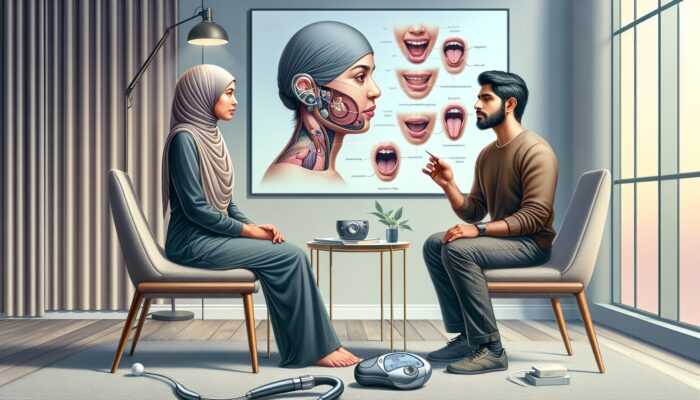
Categories
Ear Care Health & Wellness

Early Ear Health Problems: Universal Signs to Spot

Last Updated on 01/12/2025 by Admin

Understanding and Addressing Common Ear Health Issues

Comprehensive Overview of Ear Infection Types

Ear infections are a prevalent health concern that affects individuals across all age groups, and they can be categorised into three main types: otitis externa, otitis media, and otitis interna. Otitis externa, commonly known as swimmer’s ear, targets the outer ear canal and is frequently caused by moisture left in the ear after swimming. This damp environment promotes the growth of bacteria or fungi, resulting in inflammation and infection. Symptoms often include itching, redness, and discomfort in the outer ear, which can hinder daily activities and diminish quality of life.

Conversely, otitis media occurs within the middle ear and is notably common among children. This infection typically arises after a cold or respiratory infection, causing fluid to accumulate behind the eardrum. The resultant pressure may lead to intense ear pain, fever, and irritability, particularly in younger individuals. If left untreated, otitis media could lead to severe complications, including hearing loss and recurring ear infections that might necessitate surgical intervention.

Finally, otitis interna impacts the inner ear and, although less common, can pose serious health risks. This infection can disrupt balance and is often linked to viral infections such as influenza. Each type of ear infection requires distinct treatment strategies, ranging from antibiotic therapy to drainage interventions, highlighting the necessity for early diagnosis and timely treatment to ensure effective recovery.

Recognising Key Symptoms of Ear Health Problems

Being attentive to the signs that signal potential ear issues is essential for facilitating prompt treatment, which is vital for maintaining optimal ear health. Common symptoms to monitor include ear pain, which can present as anything from a dull ache to sharp discomfort, often indicating an underlying problem that demands attention. Hearing loss is another critical sign; it may manifest as difficulty in following conversations or sounds that seem muted. Furthermore, discharge from the ear, especially if accompanied by an unusual odour, can indicate an infection or a perforated eardrum that requires immediate medical evaluation.

Additional symptoms may encompass sensations of fullness within the ear, tinnitus (the perception of ringing in the ears), or issues related to balance. Early recognition of these symptoms allows for timely medical interventions that can greatly enhance recovery outcomes. For example, if a person experiences persistent ear pain or sudden hearing loss, it is crucial to consult a healthcare provider without delay. Early detection and treatment can prevent complications and ensure lasting ear health.

When Should You Consider Seeking Medical Attention for Ear Issues?

Identifying the appropriate time to seek medical assistance for ear-related concerns is crucial in preventing further complications. If symptoms persist for more than two days, it is imperative to consult a healthcare professional. Additionally, severe pain that interrupts daily activities, especially when accompanied by a high fever or noticeable hearing loss, warrants immediate medical evaluation to avert deteriorating conditions.

Taking swift action can prevent more serious consequences, such as chronic infections or lasting hearing impairment. For instance, if a child exhibits irritability along with ear pain and fever, it is advisable to seek a pediatric evaluation without delay. Early intervention, whether involving antibiotics, ear drops, or other therapeutic approaches, can significantly enhance the recovery process and effectively restore ear health.

What Preventive Measures Can You Implement to Protect Ear Health?

Recognising the Significance of Proper Ear Hygiene

Maintaining appropriate ear hygiene is a foundational step in preventing various common ear ailments. Regular cleaning is essential for removing excess earwax, debris, and moisture that can lead to infections. However, it is crucial to clean the outer ear gently with a soft cloth and to avoid inserting objects such as cotton swabs into the ear canal. Inserting such objects may inadvertently push wax deeper and potentially harm the eardrum, leading to further complications.

In addition to surface cleaning, ensuring that the ears dry properly after swimming or bathing is also beneficial. Trapped moisture can foster a breeding ground for bacteria or fungi, leading to conditions such as swimmer’s ear. For individuals prone to infections, using a hairdryer set to low and cool at a safe distance can help evaporate excess moisture safely without causing harm.

Moreover, steering clear of known irritants, such as smoke and harsh chemicals, can provide additional protection for ear health. Establishing a routine that includes these hygiene practices can significantly reduce the likelihood of developing ear infections and other related issues, contributing to long-term well-being.

Adopting Protective Strategies During Activities

Protecting your ears during various activities is essential, particularly when exposure to loud noises or water is involved. Using earplugs while swimming can prevent water from entering the ear canal, thereby reducing the risk of infections such as otitis externa. Similarly, wearing noise-cancelling headphones or earplugs in loud environments, such as concerts or construction sites, can safeguard your hearing against potential long-term damage.

When engaging in activities like skiing or biking, consider wearing a helmet equipped with ear protection to shield your ears from cold winds and potential impacts. Additionally, if your job involves exposure to loud noises, implementing sound-dampening measures and taking regular breaks away from the noise can help preserve your hearing health over time.

Lastly, being mindful of volume levels when using headphones or earbuds is crucial. Keeping the volume at safe levels and incorporating regular breaks can prevent noise-induced hearing loss. These protective strategies significantly contribute to maintaining good ear health in the long run.

Recognising the Importance of Vaccinations for Ear Health

Vaccinations play an essential role in preventing ear infections by reducing the risk of illnesses that can trigger them. For instance, the flu vaccine helps lower the chances of respiratory infections, which can lead to middle ear infections, particularly in children. Vaccinations against pneumococcal bacteria and Haemophilus influenzae type b (Hib) are also crucial for preventing specific types of ear infections.

Staying current with recommended vaccines is an effective strategy for protecting ear health, especially for children who are more susceptible to these infections. Parents should ensure their children receive vaccinations on schedule and discuss any concerns with their pediatrician to ensure optimal health.

Additionally, promoting vaccination activities within community settings can help reduce the overall incidence of ear infections. By understanding the vital role of vaccines in safeguarding ear health, individuals can take proactive measures to mitigate their risk and that of their loved ones, ensuring a healthier future for everyone’s ears.

Expert Perspectives on Identifying Early Ear Health Issues

Practical Examples of Early Detection in Ear Health

The early detection of ear health issues frequently depends on recognising subtle changes in hearing or behaviour. For instance, a child who suddenly finds it challenging to follow conversations in noisy settings may be signalling a developing hearing issue. Attentively observing these signs and acting promptly can avert complications from escalating.

Experts highlight that careful monitoring can yield significant insights into ear health. Here are some practical examples of early detection:

  • A child consistently tugging at their ear may indicate discomfort or pain, necessitating further investigation.
  • An adult who notices difficulty in discerning high-pitched sounds might be experiencing early signs of hearing loss that should be evaluated.
  • A sudden increase in earwax production could signify a blockage, prompting a necessary check-up.
  • Frequent ear infections occurring within a short timeframe can suggest an underlying issue that requires professional evaluation.
  • Changes in equilibrium, such as feelings of imbalance, may indicate inner ear problems that need attention.

By maintaining vigilance and recognising these signs, individuals can pursue timely intervention, which is crucial for effective treatment and management of ear health issues, ultimately preserving hearing and overall well-being.

Actionable Steps for Regular Ear Health Assessments

Regular ear checks are vital for maintaining ear health and can be conducted at home or by a healthcare professional. Individuals should be attentive to changes in hearing, balance, or the appearance of their ears. Here are some actionable steps to include in routine ear checks:

  • Observe any shifts in hearing, particularly in noisy settings, and note if you frequently need to ask others to repeat themselves.
  • Check for any discomfort or pain in the ear; any persistent pain should prompt a visit to a healthcare provider.
  • Monitor earwax accumulation; while some wax is normal, excessive buildup can result in blockages that necessitate professional intervention.
  • Be aware of any ringing or buzzing sounds in the ears, known as tinnitus, as this can indicate underlying issues needing attention.
  • Note any balance problems, as these may relate to the inner ear and warrant evaluation by a specialist.

Incorporating these steps into your routine allows for early detection of potential issues, facilitating timely treatment. Regular self-assessments, alongside professional evaluations, lay a solid foundation for proactive ear health management.

Debunking Common Myths About Ear Health

Misconceptions surrounding ear health can lead to detrimental practices, and one widespread belief is that earwax removal is always necessary. Experts clarify that earwax, or cerumen, serves several important functions, including protecting the ear canal from dust, debris, and microorganisms. Unless earwax buildup causes symptoms such as hearing loss or pain, there is generally no need for removal.

Another misconception is that ear infections are limited to the winter months. In reality, they can occur throughout the year, particularly in children during allergy seasons or after swimming. Many also mistakenly believe that a popping sound in the ears indicates an ear infection. However, this popping sound can often be a normal response to pressure changes, such as during air travel or diving.

Understanding these misconceptions is vital for maintaining ear health. By relying on expert insights rather than myths, individuals can adopt safer practices and seek appropriate care when necessary to address any concerns effectively.

The Critical Role of Early Intervention in Ear Health

Early intervention is fundamental to effective ear health management. Identifying and acting upon early signs of ear health issues can significantly improve outcomes and reduce the risk of complications. For instance, a child with recurrent ear infections may benefit from early treatment to prevent subsequent hearing loss, which can affect speech and language development.

Experts stress the importance of taking immediate action upon detecting early warning signs. For example, if an adult experiences sudden hearing loss, seeking evaluation promptly can help determine the cause and initiate treatment, which is crucial for preserving hearing function and overall quality of life.

Successful early interventions can range from simple lifestyle modifications, such as incorporating protective measures during noisy activities, to medical treatments like antibiotics. By recognising the importance of early detection and intervention, individuals can take proactive steps to protect their ear health and overall well-being.

Utilising Technology for the Early Detection of Ear Health Issues

The integration of technology into ear health monitoring has proven beneficial for enhancing early detection capabilities. Various hearing apps and devices can aid in tracking changes in hearing and sound exposure, enabling users to recognise potential issues sooner rather than later.

Technological advancements have simplified the process of monitoring ear health. Here are some useful technologies for early detection:

  • Hearing apps that analyse sound environments and provide feedback on hearing levels to users.
  • Wearable devices that monitor noise exposure and alert users when they are in potentially harmful environments.
  • Smartphone applications that allow users to conduct basic hearing tests and track changes over time.
  • Telehealth services that facilitate remote consultations with audiologists or ENT specialists for quick evaluations.

Incorporating these technologies into daily routines empowers individuals to take charge of their ear health. By leveraging technology, users can stay informed and act quickly when detecting changes, making proactive ear health management more attainable than ever.

What Indicators Suggest Hearing Loss?

Struggles with Understanding Speech in Noisy Environments

One of the most definitive indicators of hearing loss is experiencing difficulty comprehending speech, especially in noisy surroundings. Individuals may find it challenging to follow conversations in crowded places or may frequently need to ask others to repeat themselves. This struggle can lead to feelings of frustration and social withdrawal, significantly affecting relationships and overall quality of life.

Hearing loss often progresses gradually, making it essential to remain vigilant to these subtle signs. Engaging in conversations can become increasingly taxing, and individuals may begin to rely on visual cues or lip-reading to understand speech. Being aware of these changes can prompt early intervention, which is critical for effective management and treatment of hearing loss.

Moreover, recognising these difficulties early allows for timely evaluations by healthcare professionals. Audiologists can conduct comprehensive assessments to determine the extent of hearing loss and recommend appropriate interventions, such as hearing aids or auditory therapy to enhance communication efficacy.

Frequently Raising the Volume on Devices

The need to frequently increase the volume on devices like televisions or phones serves as another common early warning sign of hearing loss. If you consistently find yourself adjusting the volume higher than what others require, it may indicate a gradual decline in your hearing capability.

This behaviour often reflects an increasing need to amplify sound to perceive it clearly, which can lead to habits that further exacerbate hearing issues. Social situations may become increasingly frustrating, as conversations that once flowed easily become challenging due to background noise. Recognising this sign and taking action can help prevent further deterioration of hearing capabilities.

Consulting with an audiologist can help address these concerns early. Professional hearing evaluations can identify the underlying causes of hearing loss and suggest appropriate solutions, such as assistive listening devices or hearing aids, which can significantly improve quality of life and restore meaningful communication.

Social Withdrawal as a Result of Hearing Challenges

Social withdrawal serves as a significant indicator of hearing loss, as individuals may feel embarrassed or frustrated by their inability to engage in conversations. This withdrawal can lead to isolation and a decreased quality of life, compounding the effects of hearing loss. Friends and family may notice behavioural changes, such as avoiding gatherings or appearing disengaged during conversations, reflecting the emotional toll of unaddressed hearing difficulties.

Recognising this sign is crucial, as social interaction plays a vital role in mental health and overall well-being. Encouraging open discussions about hearing difficulties can foster understanding and support among loved ones, making it easier for those affected to seek necessary help.

By acknowledging these emerging trends early, individuals can take proactive steps to address their hearing health. Audiologists can provide tailored recommendations and support, helping to re-engage individuals in social settings and improve their overall quality of life through effective communication strategies.

Recognising Symptoms of Ear Problems in Children

Behavioural Indicators of Ear Issues in Young Ones

Children often find it challenging to articulate their discomfort regarding ear health, making behavioural changes crucial indicators of potential problems. Symptoms such as irritability, difficulty sleeping, or frequently tugging at their ears can signal underlying ear issues that require prompt attention.

For example, a child who becomes increasingly fussy or inconsolable may be experiencing ear pain. Parents should remain vigilant for these signs, as early recognition can lead to timely medical evaluations and appropriate treatment. Additionally, children may struggle with attention and focus in school, which could be linked to undiagnosed hearing problems that need addressing quickly.

Moreover, changes in a child’s behaviour, such as heightened sensitivity or avoidance of loud environments, can indicate developing ear health issues that warrant further investigation. Understanding these behavioural cues allows parents to seek appropriate care, prioritising their child’s hearing and overall well-being.

How Can You Identify an Ear Infection in a Child?

Recognising an ear infection in children can be challenging, as they may not communicate their discomfort verbally. However, certain symptoms can provide essential clues. Look for signs such as ear pain, which may cause the child to tug at or rub their ears, and elevated fever. Additionally, fluid drainage from the ear can indicate an infection or a ruptured eardrum that requires medical assessment.

In conjunction with these symptoms, children may exhibit behavioural changes, such as increased irritability, difficulty sleeping, or a decreased appetite. If a child displays these signs, particularly alongside hearing troubles or balance issues, seeking medical attention is crucial for effective diagnosis and treatment.

Timely diagnosis and treatment of ear infections can prevent complications, including temporary or prolonged hearing loss. Pediatricians can evaluate the situation and determine the best course of action, ensuring optimal ear health for the child and supporting their developmental progress.

The Essential Nature of Regular Check-ups for Children

Regular check-ups for children are a vital aspect of preventative healthcare, particularly concerning ear health. Routine pediatric visits allow healthcare providers to monitor a child’s ear health and developmental milestones. These check-ups provide an opportunity to identify potential ear issues before they escalate into more serious conditions.

During these visits, doctors can conduct hearing assessments and check for signs of fluid buildup in the ears. Early detection of issues such as ear infections or hearing loss can lead to timely interventions, minimising long-term impacts on a child’s speech and language development.

Parents should prioritise these routine visits, especially if there is a family history of ear problems. Establishing a proactive approach to ear health contributes to a child’s overall well-being and developmental success, ensuring they thrive as they grow and navigate various life stages.

Proven Strategies for Detecting Early Ear Health Problems

Utilising Technology to Monitor Ear Health

The advent of technology has transformed how we monitor ear health. Wearable devices and applications designed to track sound exposure and changes in hearing can play a significant role in early detection. These technologies empower individuals to take control of their ear health and identify potential issues before they escalate into significant concerns.

Here are some technologies that can assist in monitoring ear health:

  • Hearing apps that provide sound exposure tracking and basic hearing assessments for users.
  • Noise-canceling headphones that protect against harmful sound levels, thereby preserving hearing quality.
  • Wearable sound level meters that alert users to excessive noise exposure, promoting safer listening habits.
  • Telehealth platforms that facilitate remote consultations with audiologists or ENTs for timely evaluations.

Integrating these technologies into daily routines can enhance awareness and encourage proactive management of ear health. By leveraging technological advancements, individuals can stay informed and take necessary actions to prevent potential complications, ensuring long-term hearing health and overall well-being.

The Importance of Professional Evaluations for Ear Health

Regular evaluations conducted by healthcare professionals, such as audiologists or ENT specialists, are crucial for the early detection of ear health issues. These experts can perform comprehensive assessments and identify problems that may not be evident during routine self-checks. Professional evaluations often include hearing tests, examinations of the ear canal, and assessments of balance that provide a thorough understanding of ear health.

It is essential to consult professionals if you experience persistent symptoms like changes in hearing, ear pain, or balance issues. They can offer tailored advice, recommend interventions such as hearing aids, or initiate treatment plans for infections that could compromise ear health.

Establishing a professional relationship with an audiologist or ENT fosters a proactive approach to ear health management. Regular check-ups ensure that any emerging issues are addressed promptly, contributing to long-term ear health and overall well-being.

Community and Family Support in Ear Health Awareness

Community and family support play an essential role in recognising signs of ear health issues. Friends and family can assist by observing changes in behaviour and encouraging individuals experiencing symptoms to seek professional help. Building a supportive network fosters awareness of ear health and empowers individuals to prioritise their well-being.

For instance, family members can help monitor changes in behaviour or hearing ability, prompting timely consultations with healthcare professionals. Community programs that promote awareness of ear health can also provide resources and support for families facing these challenges.

By cultivating an environment of open communication regarding ear health, communities can ensure individuals feel supported in addressing potential issues. This collective awareness can lead to early detection and intervention, ultimately enhancing ear health outcomes for everyone involved and promoting a healthier community.

Effective Self-Monitoring Techniques for Ear Health

Self-monitoring techniques are invaluable for individuals who wish to stay attuned to their ear health. Keeping a symptom diary can assist in tracking changes over time, such as fluctuations in hearing or the presence of tinnitus. Noting when symptoms occur, their duration, and any accompanying factors can provide valuable insights for healthcare providers, aiding in more accurate assessments.

Additionally, individuals should be aware of lifestyle factors that may affect ear health, such as exposure to loud noises or poor hygiene practices. Recognising these factors can prompt proactive measures aimed at preventing issues from arising.

Regularly checking in with oneself regarding any auditory changes can help ensure that any potential problems are addressed early. Combining self-monitoring with professional evaluations creates a comprehensive approach to ear health management, empowering individuals to take charge of their well-being and maintain optimal hearing health.

Education and Awareness Initiatives for Ear Health

Public education on ear health is crucial for increasing awareness of early signs of problems and encouraging timely medical consultation. Community programmes, workshops, and school-based initiatives can provide valuable information on ear health, preventive measures, and available resources for support.

Through educational campaigns, individuals can learn about the significance of regular check-ups, proper ear hygiene, and protective measures during activities. Such awareness fosters a culture of proactive ear health management, reducing the incidence of ear problems within communities and enhancing overall public health.

Moreover, empowering individuals with knowledge about auditory health encourages them to advocate for themselves and seek help when necessary. Education and awareness programmes can play a pivotal role in improving ear health outcomes and informing communities about effective strategies for prevention and early detection of ear health issues.

What Environmental Factors Affect Ear Health?

The Detrimental Effects of Noise Pollution on Ear Health

Noise pollution presents a significant threat to ear health, as prolonged exposure to loud sounds can lead to hearing loss over time. In urban settings, high traffic, construction activities, and entertainment venues contribute to elevated noise levels, making it essential to implement protective measures for your ears in such environments.

Utilising earplugs or noise-canceling headphones can significantly mitigate the impacts of noise pollution, allowing individuals to enjoy their surroundings without jeopardising their hearing. Furthermore, raising awareness about noise levels in public spaces can encourage communities to adopt sound-dampening measures and create quieter environments conducive to better hearing health.

Investing in soundproofing technologies and advocating for policies that limit noise exposure can further enhance ear health on a larger scale. Understanding the effects of noise pollution is essential for both individuals and communities to protect hearing health and promote overall well-being.

The Influence of Air Quality on Ear Health

Air quality has a substantial effect on ear health, as poor air quality has been linked to increased occurrences of ear infections and other health issues. Pollutants, allergens, and irritants in the air can exacerbate respiratory conditions, leading to inflammation and fluid accumulation in the ear that may trigger infections.

Individuals living in areas with high levels of air pollution should take precautions to safeguard their ear health. Staying indoors during poor air quality days, using air purifiers, and ensuring adequate ventilation can help reduce exposure to harmful substances that could compromise ear health.

Furthermore, advocating for policies that promote cleaner air can positively affect overall health, including ear health. By raising awareness of the link between air quality and ear health, individuals can take proactive steps to protect themselves and their families from potential risks associated with environmental pollutants.

The Role of Water and Humidity in Maintaining Ear Health

Water and humidity are crucial factors in ear health, particularly in preventing infections. Water that becomes trapped in the ear can lead to conditions like swimmer’s ear, especially in humid environments where moisture is abundant. Employing proper drying techniques, such as tilting the head to allow water to escape and using a towel to wipe the outer ear, can significantly reduce the risk of infections.

Individuals residing in humid climates should remain particularly vigilant about ensuring their ears dry thoroughly after swimming or bathing. Using earplugs during water-related activities can provide an additional layer of protection and prevent moisture buildup that could lead to infections.

Conversely, overly dry environments can result in earwax buildup and irritation. Maintaining a comfortable humidity level at home can promote ear health and prevent associated issues. Understanding these environmental factors empowers individuals to take proactive steps in safeguarding their ear health and ensuring overall well-being.

Effective Treatment and Ongoing Management of Ear Health Issues

Overview of Medical Approaches to Treat Ear Problems

Medical treatments for ear problems vary depending on the nature and severity of the issue. For bacterial infections, antibiotics are commonly prescribed to eradicate the infection and alleviate associated symptoms. Ear drops may also be employed to treat localized infections or provide pain relief as necessary.

In more serious cases, such as chronic ear infections or significant fluid accumulation, surgical options like tympanostomy tubes may be recommended. This procedure involves the insertion of tubes into the eardrum to facilitate fluid drainage and prevent further infections from developing.

Additionally, addressing any underlying conditions contributing to ear issues is essential. For example, treating allergies or sinus infections can significantly reduce the likelihood of developing ear infections. Timely treatment is crucial, as it can prevent complications and improve overall outcomes for ear health, ensuring a better quality of life.

Assessing Home Remedies for Ear Health Relief

Home remedies can provide relief for mild ear issues, but they should not replace professional medical advice. Common remedies include applying warm compresses to the affected ear to alleviate pain and discomfort. Over-the-counter pain relievers can also assist in managing symptoms effectively.

It is important to note that while home remedies can offer temporary relief, they may not address the underlying cause of ear problems. For instance, a warm compress may soothe discomfort from an ear infection, but it will not eliminate the infection itself, which requires medical treatment.

If symptoms persist or worsen, it is essential to consult a healthcare professional. Relying solely on home remedies can lead to complications, underscoring the importance of seeking appropriate medical care in conjunction with at-home treatments to ensure optimal recovery and ear health.

Long-Term Strategies for Effective Ear Health Management

Long-term management of ear health issues necessitates a multifaceted approach that includes regular check-ups, protective measures, and lifestyle adjustments. Establishing a routine of annual visits to an audiologist or ENT specialist can help monitor ear health and detect any emerging issues before they escalate.

Implementing protective measures, such as using earplugs in noisy environments and practising good ear hygiene, can significantly reduce the risk of developing ear problems. Additionally, individuals should be mindful of their overall health, including managing allergies and staying updated on vaccinations to prevent infections.

Lifestyle adjustments, such as maintaining a balanced diet rich in essential vitamins and minerals, can also promote ear health. Staying hydrated and avoiding smoking or secondhand smoke can further contribute to long-term ear health. By adopting these strategies, individuals can effectively manage their ear health over time and reduce the risk of complications, ensuring a healthier future.

Preventive Strategies for Optimal Ear Health Maintenance

Preventive strategies are vital for safeguarding ear health and minimising the risk of ear problems. One primary strategy is to avoid exposure to loud noises, which can lead to irreversible hearing loss. Wearing ear protection in noisy environments is crucial for preserving hearing and maintaining overall ear health.

Maintaining proper ear hygiene is another essential preventive measure. Regularly cleaning the outer ear and avoiding the insertion of objects can help prevent infections and blockages that may cause discomfort or complications. Additionally, it is important to dry the ears thoroughly after swimming or bathing to minimise the risk of moisture-related infections.

Furthermore, staying up-to-date with vaccinations can help prevent ear infections. Ensuring that children receive recommended vaccines can significantly reduce the incidence of ear-related issues and enhance their overall health. By implementing these preventive strategies, individuals can take proactive steps to protect their ear health and well-being.

Recognising the Right Time to Seek Professional Help for Ear Issues

Understanding when to seek professional assistance for ear health problems is vital for preventing serious complications. Individuals should consult a healthcare provider if symptoms persist, worsen, or if they experience severe pain, hearing loss, or discharge from the ear.

In instances of sudden hearing loss or balance issues, immediate medical attention is critical. Prompt intervention can significantly improve outcomes and prevent permanent damage to hearing.

Additionally, if a child exhibits symptoms such as persistent irritation, difficulty sleeping, or recurrent ear infections, seeking pediatric evaluation is essential. Early diagnosis and treatment can mitigate potential long-term impacts on hearing and overall health. By being proactive and recognising the signs that warrant professional help, individuals can ensure timely and effective management of ear health issues.

Frequently Asked Questions About Ear Health

What Are the Most Common Issues Affecting Ear Health?

The most common ear health issues include ear infections (such as otitis media and otitis externa), hearing loss, and tinnitus. These conditions can affect individuals of all ages and require prompt attention for effective management and treatment.

How Can I Determine If I Have an Ear Infection?

Signs of an ear infection include ear pain, high fever, fluid drainage from the ear, and difficulty hearing. If you experience these symptoms, it is essential to consult a healthcare professional for a thorough evaluation and appropriate treatment.

Are There Specific Symptoms to Watch for Regarding Hearing Loss?

Common symptoms of hearing loss include difficulty understanding speech, frequently needing to increase the volume on devices, and social withdrawal arising from communication challenges. Being aware of these signs can help individuals seek timely intervention.

What Steps Can Be Taken to Prevent Ear Infections?

Preventing ear infections involves maintaining good ear hygiene, avoiding exposure to known allergens, and staying updated on vaccinations. Using earplugs while swimming can also help reduce the risk of moisture-related infections that lead to ear issues.

How Often Should I Have My Ears Checked?

It is generally recommended to have your ears checked at least once a year or more frequently if you experience symptoms like changes in hearing or ear pain. Regular assessments can help catch issues early and promote overall ear health.

What Home Remedies Can Assist with Ear Pain?

Home remedies for ear pain may include applying warm compresses to the ear and taking over-the-counter pain relievers. However, it is essential to consult a healthcare professional if symptoms persist for an accurate diagnosis and treatment.

When Should I Seek Medical Attention for Ear Issues?

Seek medical attention if you experience persistent ear pain, severe discomfort, hearing loss, or fluid discharge from the ear. Prompt evaluation can prevent serious complications and ensure effective treatment.

Can Children Experience Hearing Loss?

Yes, children can experience hearing loss, often due to ear infections, exposure to loud noises, or congenital conditions. Early detection and intervention are crucial for their development and overall health.

What Role Does Technology Play in Monitoring Ear Health?

Technology, including hearing apps and sound exposure trackers, can aid in monitoring ear health by alerting users to potential issues and facilitating early detection of changes in hearing or auditory health.

How Can I Support a Family Member with Hearing Issues?

Supporting a family member with hearing issues involves encouraging open communication, assisting them in seeking professional care, and being patient during conversations. Fostering a supportive environment can significantly aid their well-being and communication abilities.

Explore more with us on X!

The post Spotting Early Ear Health Problems: Key Universal Signs appeared first on The Microsuction Ear Wax Removal Network.
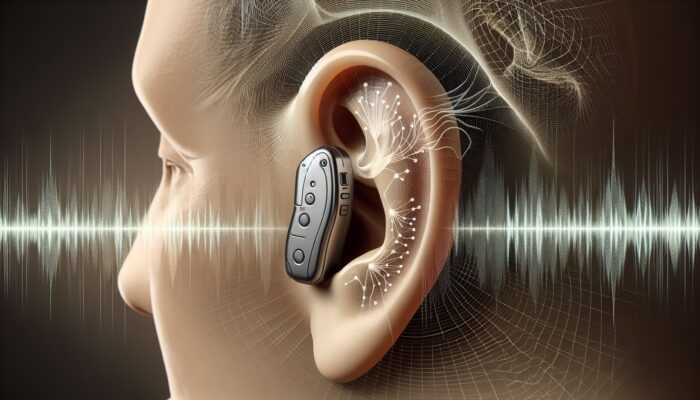
The post Spotting Early Ear Health Problems: Key Universal Signs appeared first on Healthcare Marketing Service.

Categories
Health & Wellness Hearing Aids

Hearing Aids: Navigating Initial Discomfort and Adaptation

Last Updated on 29/11/2025 by Admin

Navigating Initial Discomfort and Adjustment Phases with Hearing Aids

What Factors Lead to Initial Discomfort When Using Hearing Aids?

Wearing hearing aids can evoke a range of sensations that may feel unfamiliar and unsettling for many users. The presence of the device in the ear can create an unusual sensation, impacting both comfort and sound perception. Many users report that the sounds they hear through the device might feel either amplified or distorted, which can lead to feelings of disorientation. Furthermore, physical adjustments are essential as the body acclimates to the hearing aid. Commonly reported initial discomforts include:

These sensations can be daunting and may lead users to reconsider their decision to use hearing aids. However, recognising that these feelings are common and temporary can provide the necessary reassurance and help users navigate the adjustment period more effectively.

How Long Can One Expect to Adjust to Hearing Aids?

The adjustment period to hearing aids varies significantly among individuals. Several factors influence this timeline, including prior experience with hearing aids, the severity of hearing loss, and personal adaptability levels. For some, the process of acclimatisation may take just a few weeks, while others might find it requires several months to feel completely comfortable.
Individuals who have previously used hearing aids may find their transition smoother, as they may retain some familiarity with sound processing and device management. In contrast, first-time users may need additional time to adapt, particularly if they have experienced significant hearing loss over the years. Engaging with audiologists for personalised fitting and adjustments can greatly impact the speed of adjustment. Additionally, encouragement from peer support groups and shared experiences can provide valuable insights into what to expect during this phase.

What Effective Coping Strategies Can New Users Implement?

New users can adopt a variety of strategies to ease their transition into hearing aid use. Gradually increasing wear time is a fundamental approach that proves beneficial. Starting with short durations, such as an hour or two, and slowly extending this time allows the user to acclimate without feeling overwhelmed. Practising in quiet environments can also assist users in becoming accustomed to the new sounds without the distraction of background noise. Engaging in conversations with friends or family in a controlled setting allows individuals to adjust to the dynamics of sound interaction. Seeking support from audiologists or joining hearing aid user groups can provide both practical advice and emotional encouragement. With these strategies, users can effectively navigate the initial challenges and build confidence in their hearing aids.

Insights from Experts on Initial Strangeness of Hearing Aids

What Recommendations Do Audiologists Offer for New Users?

Audiologists frequently recommend that new users start with short wear durations, gradually increasing them as comfort improves. This incremental approach allows users to familiarise themselves with their hearing aids without feeling overwhelmed. Regular follow-ups with audiologists are crucial for fine-tuning device settings and addressing any arising issues. For instance, a user may find certain sounds excessively amplified or the fit uncomfortable; direct communication with an audiologist can lead to adjustments that alleviate these concerns.
Real-world examples illustrate this process well. For example, one user may initially struggle with feedback noise but finds, through audiologist guidance, that a simple adjustment to the device’s settings can resolve this issue. Another user may discover a preference for a different style of hearing aid, resulting in a more satisfying auditory experience. These instances highlight the significance of professional insight and the collaborative relationship between users and audiologists in ensuring optimal hearing aid performance.

How Can Users Enhance Sound Quality with Hearing Aids?

Hearing aids may initially sound unnatural, especially as they amplify sounds that users have not heard in years. Improvements in sound quality often come from adjustments made to frequency and volume settings. Users should feel empowered to communicate their experiences regarding sound quality to their audiologists; this feedback is critical for achieving optimal tuning.
Modern hearing aids are equipped with advanced sound processing technologies that enhance sound clarity while reducing unwanted noise. Many of these devices feature adaptive algorithms that learn the user’s environment and adjust accordingly. By requesting personalised adjustments based on their specific experiences, users can significantly enhance auditory quality. Regular consultations with hearing professionals and maintaining open dialogues about sound quality can lead to a more pleasant auditory experience.

What Common Myths Surround Hearing Aids?

Numerous misconceptions surround hearing aids, which create unrealistic expectations for new users. A prevalent myth is that hearing aids should function perfectly from the outset. In reality, these devices often require a period of adjustment and fine-tuning to cater to the individual user’s specific hearing profile and preferences.
Another common belief is that hearing aids are solely for the elderly. In truth, individuals of all ages can benefit from them, as hearing loss can occur at any stage of life. Furthermore, many users mistakenly think that hearing aids simply amplify all sounds equally; however, modern technology allows for sophisticated sound processing that emphasises speech while minimising background noise. Understanding these myths can empower users to have realistic expectations and reduce frustration during their adjustment period.

How Long Should Users Anticipate Adjusting to Hearing Aids?

Adjustment periods for hearing aids typically vary from weeks to months, depending on the individual user. Most users adapt within a few weeks, but consistent use and professional guidance can significantly accelerate this process. The early stages may present a steep learning curve as users become accustomed to the various sounds and dynamics their hearing aids introduce.
To facilitate faster adaptation, users can take several actionable steps. Engaging in daily conversations, gradually increasing usage in varied environments, and regularly checking in with audiologists can all enhance the adjustment experience. Users are encouraged to maintain a positive outlook and embrace patience during this phase. Over time, sounds become more natural and easier to interpret, transforming the user’s auditory landscape.

What Psychological Impacts Arise from Wearing Hearing Aids?

Psychological factors play a considerable role in how individuals adjust to hearing aids. New users may experience feelings of self-consciousness and stigma, fearing judgment from those around them. These emotional responses can create barriers that hinder the adaptation process.
Encouraging open dialogues about hearing loss and the use of hearing aids within social circles can significantly alleviate these feelings. Sharing experiences with peers who wear hearing aids can foster a sense of belonging and understanding. Users can also employ strategies to boost confidence, such as focusing on the positive aspects of regaining hearing ability and celebrating small victories during their adjustment journey. A supportive environment nurtures acceptance, allowing users to embrace their devices more comfortably.

Understanding Physical Sensations and the Importance of Proper Fit

How Does the Ear Adapt to Wearing a Hearing Aid?

Adapting to the presence of a hearing aid involves a physical acclimatisation process. The ear canal and surrounding areas require time to adjust to the feeling of the device, which can initially lead to discomfort or irritation. This adjustment is not just a sensory experience; the brain also needs to recalibrate how it interprets sound input from the hearing aid.
Users may experience sensations of pressure or fullness as their ear becomes accustomed to the device. Over time, as the body adjusts, these sensations typically diminish. Consistent use helps solidify this adaptation, allowing users to ignore the presence of the hearing aid. It’s essential for users to be patient and give their ears the necessary time to adapt, as rushing the process can lead to increased discomfort or dissatisfaction with the device.

What Signs Indicate a Poor Fit of Hearing Aids?

A poorly fitted hearing aid can result in ongoing discomfort and ineffective sound processing. Common signs of a poor fit include a persistent feeling of pressure, irritation in the ear canal, and the device falling out easily. Feedback noise, often described as a whistling sound, is another indication that the hearing aid is not seated correctly.
Proper fitting by a professional is crucial for ensuring both comfort and effectiveness. An audiologist will assess not only the size of the device but also its placement and alignment within the ear. Regular follow-ups are essential to maintain a good fit, as changes in ear shape or size may occur over time. Users should proactively report any discomfort or fit issues, as these can be promptly addressed with adjustments or alternative devices.

How Can Users Optimize the Fit of Their Hearing Aids?

Optimising the fit of a hearing aid is critical for achieving both comfort and functionality. The process begins with selecting the appropriate size and style of hearing aid based on the user’s unique ear anatomy and hearing needs. Audiologists often recommend custom moulds tailored specifically to individual ear shapes, ensuring a snug and comfortable fit.
Regular check-ups with hearing professionals are essential to maintain the fit of the device. As individuals experience changes in their ear shape or canal size, adjustments may be necessary to prevent discomfort or sound quality issues. Users should also consider feedback from their audiologists and be vocal about their experiences wearing the device. This collaborative effort can lead to an optimised fit, significantly enhancing the overall hearing experience.

Shifts in Sound Perception After Using Hearing Aids

Why Do Sounds Seem Different When Using Hearing Aids?

When first wearing hearing aids, users often note that sounds appear different. This phenomenon occurs because hearing aids amplify sounds that were previously inaudible, leading to altered sound perception. Users may experience overwhelming noise or distortion as their auditory system adjusts to new levels of sound input.
It’s essential for users to understand that this initial experience is temporary. As they continue to wear their hearing aids, their brains begin to adapt and interpret these sounds more naturally. This adjustment period is crucial in helping users distinguish between various sound frequencies and nuances that they may not have recognised before. Embracing patience and consistently using the hearing aids will ultimately lead to a more satisfying auditory experience.

How Can Users Manage Background Noise Effectively?

Background noise can present significant challenges for new hearing aid users. Fortunately, many modern devices are equipped with advanced noise reduction features designed to assist users in focusing on desired sounds, such as speech, while minimising distracting background noise. Learning how to effectively utilise these features can greatly enhance the listening experience in environments rich in background noise.
Additionally, users can adopt strategies to manage noise. Techniques such as positioning oneself strategically in conversations, facing the speaker, and initially using hearing aids in quieter settings can help improve sound clarity. Becoming familiar with various listening environments and practising patience as the brain adjusts to new soundscapes can facilitate a smoother transition. Over time, users will become more adept at filtering out background noise, allowing them to engage more fully in conversations.

What Is the Importance of Sound Processing in Hearing Aids?

Sound processing technology in hearing aids plays a vital role in enhancing user experience. Advanced devices utilise various sound processing algorithms to improve clarity of speech while reducing unwanted background noise. These features are essential for helping users distinguish between different sounds and understand speech in challenging auditory environments.
By leveraging sophisticated algorithms, modern hearing aids can adapt to various listening situations, ensuring optimal sound quality. Understanding these capabilities enables users to maximise their device’s potential. Regular consultations with audiologists allow users to communicate their experiences, enabling fine-tuning of sound processing features for personalised auditory experiences. As users become more familiar with how sound processing works, they can better navigate their hearing environments.

How Does Sound Perception Change Over Time After Using Hearing Aids?

As users adjust to their hearing aids, their sound perception typically evolves positively. Initially challenging experiences can give way to enhanced auditory clarity and richness. Users often find that sounds they once considered irritating or overwhelming become more natural and easier to interpret as they become accustomed to the amplification and processing of their hearing aids.
This evolution highlights the importance of consistent use and gradual acclimatisation. The brain requires time to rewire itself, allowing it to recognise and interpret sounds with greater ease. Ultimately, this adjustment leads to improved communication skills and a renewed appreciation for the auditory world. Embracing this journey and remaining committed to regular device use can foster an enriching and transformative auditory experience.

Psychological and Emotional Considerations in Hearing Aid Use

How Does Acceptance of Hearing Loss Influence Adjustment to Hearing Aids?

Acceptance of hearing loss and the necessity for hearing aids plays a critical role in the adjustment process. Embracing the fact that hearing aids are tools for regaining auditory clarity can lead to more successful adaptation. Positive attitudes significantly influence users’ experiences and can result in better outcomes.
Users who adopt a proactive approach to their hearing loss, viewing it as an opportunity for improvement rather than a setback, are likely to adapt more quickly. Encouraging open conversations about hearing loss within social circles can foster understanding and support. These positive psychological factors contribute to a smoother transition and may even enhance overall user satisfaction and engagement with their devices.

What Emotional Responses Are Common Among Hearing Aid Users?

Emotional responses to hearing aids can be diverse and complex. Many users experience frustration as they navigate new auditory landscapes, while others may feel embarrassed about their hearing loss. Conversely, some individuals may experience relief as they regain access to sounds they previously missed. Acknowledging these varying emotions is essential for a successful adjustment.
Addressing feelings of frustration or embarrassment begins with open communication. Users should feel encouraged to share their experiences, both the challenges and victories. Engaging with peer support groups or counselling can provide valuable outlets for emotional release. By openly discussing their feelings, users can foster a sense of community, boosting their confidence and comfort with hearing aids.

How Can Support Systems Facilitate Adjustment to Hearing Aids?

Support systems play a vital role in helping users adjust emotionally and psychologically to wearing hearing aids. Family, friends, and communities of individuals with hearing loss can provide encouragement and practical advice, creating an environment conducive to acceptance and adaptation.
Participating in support groups allows users to connect with individuals who have faced similar challenges, fostering a sense of belonging. These connections can lead to shared strategies for overcoming emotional hurdles. Encouragement from loved ones can reinforce positive attitudes towards wearing hearing aids, while practical tips can assist in navigating everyday situations. Establishing a solid support system can significantly enhance the overall adjustment experience for new hearing aid users.

Research-Based Insights on Initial Discomfort with Hearing Aids

What Does Research Reveal About Initial Discomfort and Adjustment?

Research indicates that initial discomfort is a typical aspect of the adaptation process, often subsiding as users become accustomed to their hearing aids. Studies emphasise the importance of allowing time for adjustment, noting that feelings of discomfort typically diminish as users embrace consistent device use.
To manage initial discomfort, users can employ actionable steps such as gradually increasing wear time and seeking regular audiology consultations. Utilising resources such as instructional materials from hearing aid manufacturers can also provide valuable insights into the adjustment process. Understanding that initial discomfort is a common experience can empower users to navigate this phase with patience and resilience.

How Do Hearing Aids Become More Effective Over Time?

Longitudinal studies demonstrate that hearing aids improve in comfort and effectiveness as users adapt to them. Over time, the combination of consistent use and timely professional adjustments can lead to enhanced auditory experiences. Users often find that their hearing aids become more comfortable and easier to manage as they grow accustomed to their capabilities.
Regular consultations with audiologists allow for fine-tuning of device settings, ensuring that adjustments keep pace with the user’s evolving needs. By prioritising the importance of routine maintenance and professional support, users can enhance their hearing experience. Sharing individual feedback with audiologists reinforces the collaborative relationship, ultimately leading to better outcomes.

What Long-Term Benefits Can Users Expect from Adapting to Hearing Aids?

Long-term adaptation to hearing aids brings numerous benefits, significantly enriching the user’s quality of life. Improved communication skills, reduced social isolation, and enhanced overall well-being are frequently reported outcomes. Users often find that they can engage more fully in conversations, participate in social activities, and maintain stronger relationships as their auditory capabilities improve.
Research supports the idea that persistence during the early stages of hearing aid use leads to greater overall satisfaction. As users adapt, they often experience renewed confidence in their communication abilities, leading to a more fulfilling social life. Embracing the journey of adaptation enables users to reap these long-term benefits, transforming their experience with hearing aids into a positive aspect of their lives.

Practical Strategies for Daily Hearing Aid Use

How Can Users Adjust Their Daily Routines to Incorporate Hearing Aids?

Adapting daily routines to include hearing aid use can significantly enhance both comfort and effectiveness. Small adjustments can make a big difference. Users might consider setting reminders to wear their devices first thing in the morning, gradually increasing usage throughout the day.
Additionally, practising in different environments—such as quiet rooms, bustling cafes, or outdoor spaces—can help users become acclimated to various soundscapes. Creating a structured routine around device care, including regular cleaning and maintenance checks, can also foster a sense of responsibility and familiarity. Here are some daily routine adjustments to consider:

  • Start each day with a reminder to wear hearing aids
  • Practice conversations in quiet settings before venturing into noisy environments
  • Incorporate a cleaning schedule to maintain device functionality
  • Engage in daily listening exercises to improve sound perception
  • Utilise visual cues (e.g., notes, apps) to remember settings or adjustments
  • Schedule regular check-ins with audiologists for ongoing support
  • Encourage family or friends to participate in practice sessions
  • Reflect on daily experiences to identify patterns or challenges

These adjustments can help users incorporate their hearing aids into their daily lives more seamlessly.

What Maintenance Practices Are Essential for Hearing Aids?

Regular maintenance is essential for optimal hearing aid performance and comfort. Users should follow manufacturer guidelines for cleaning and care, which generally include removing moisture, dirt, and earwax buildup. Utilising specialised cleaning tools can help maintain device integrity without damaging sensitive components.
Battery management is another critical aspect of hearing aid maintenance. Users should regularly check battery levels and replace batteries as needed, ensuring that their devices function optimally. Engaging with audiologists for periodic professional maintenance can also be beneficial, as they can perform thorough checks and adjustments. Establishing a routine around maintenance helps ensure that hearing aids remain dependable and effective, allowing users to focus on enjoying their hearing experience.

How Can Users Sustain Motivation During the Adjustment Process?

Staying motivated while adjusting to hearing aids can be challenging, particularly during early stages of discomfort or frustration. Users can enhance their motivation by setting small, achievable goals that celebrate progress along the way. Keeping a journal to track experiences and milestones can provide a visual representation of improvement, reinforcing the benefits of consistent use.
Connecting with others who use hearing aids can also provide encouragement and motivation. Sharing successes or challenges with peers fosters a sense of community, making the adjustment process feel less isolating. Exploring new environments and listening experiences can rekindle excitement around hearing aid use, allowing users to discover the various sounds they have been missing. Embracing a positive, proactive approach towards adjustment can transform the experience, ultimately leading to greater satisfaction and confidence.

Frequently Asked Questions About Hearing Aids

Why do hearing aids feel uncomfortable initially?

Hearing aids can feel uncomfortable initially due to the unfamiliar sensation of having a device in the ear, changes in sound perception, and the adjustment of the ear canal. These feelings typically subside as users acclimate.

How long does it take to get used to hearing aids?

Adjustment periods vary widely among individuals, but most users typically adapt within a few weeks to a few months with consistent use and professional support.

What are some coping strategies for new hearing aid users?

Gradually increasing wear time, practising in quieter environments, and seeking support from audiologists or hearing aid user groups can help ease the transition to using hearing aids.

What adjustments do audiologists recommend for new users?

Audiologists often recommend starting with short wear times and gradually increasing them. Regular follow-ups for fine-tuning settings and addressing concerns are also crucial for optimal performance.

Can sound quality be improved with adjustments?

Yes, sound quality can often be improved through adjustments to frequency and volume settings. Users should communicate their experiences to audiologists for personalised tuning.

What are some common myths about hearing aids?

Common myths include the belief that hearing aids should work perfectly from the start, that they are only for the elderly, and that they amplify all sounds equally.

How can background noise be managed with hearing aids?

Modern hearing aids feature noise reduction technology, and users can employ techniques such as focusing on desired sounds and positioning themselves strategically in conversations to manage background noise.

What role does sound processing play in hearing aids?

Sound processing technology enhances speech clarity and reduces unwanted noise, allowing users to have a more enjoyable auditory experience.

How can support systems aid in the adjustment process?

Support from family, friends, and hearing loss communities can provide encouragement, practical advice, and a sense of belonging, helping users navigate the emotional aspects of adjustment.

What long-term benefits can users expect from hearing aids?

Long-term adaptation to hearing aids can lead to improved communication, reduced social isolation, and enhanced overall quality of life as users regain their auditory capabilities.

Explore our world on X!

The post Hearing Aids: Understanding Initial Discomfort and Adaptation appeared first on The Microsuction Ear Wax Removal Network.

The post Hearing Aids: Understanding Initial Discomfort and Adaptation appeared first on Healthcare Marketing Service.

Categories
Health & Wellness Hearing Adjustment

Hearing Aids: Navigating Initial Discomfort and Adjustment

Last Updated on 29/11/2025 by Admin

Navigate the Initial Discomfort and Adjustment Process with Hearing Aids

What Key Elements Contribute to Initial Discomfort When Using Hearing Aids?

Wearing hearing aids can trigger a variety of sensations that may feel unfamiliar and unsettling for many individuals. The presence of the device within the ear often creates a unique sensation, affecting both comfort and sound perception. Numerous users report that the sounds they perceive through the hearing aid may seem either overly amplified or distorted, potentially leading to feelings of disorientation. Additionally, physical adjustments are crucial as the body learns to accommodate the hearing aid. Some typical initial discomforts include:

  • Pressure or fullness in the ear
  • Itching or irritation in the ear canal
  • Difficulty with sound clarity
  • Excessive background noise
  • Feedback or whistling sounds
  • Uncomfortable fit due to size or style
  • Difficulty localizing sounds
  • Frustration with device controls and settings

These sensations may feel overwhelming and could lead users to reconsider their choice to utilise hearing aids. However, understanding that these experiences are common and temporary can provide essential reassurance, assisting users in navigating the adjustment phase more effectively.

How Long Should Users Anticipate for Adjustment to Hearing Aids?

The duration of the adjustment period to hearing aids varies considerably among individuals. Several factors influence this timeline, including prior experience with hearing aids, the severity of hearing loss, and personal adaptability. For some users, acclimatisation may take only a few weeks, while others might require several months to attain complete comfort. Individuals who have previously used hearing aids may find their transition to be smoother, as they may already possess some familiarity with sound processing and device management. Conversely, first-time users may need additional time to adjust, particularly if they have faced significant hearing loss over the years. Collaborating with audiologists for personalised fitting and adjustments can greatly affect the speed of adaptation. Furthermore, encouragement from peer support groups and shared experiences can provide valuable insights into what to expect during this critical phase.

What Effective Coping Strategies Can New Users Implement to Adjust Smoothly?

New users can employ a variety of strategies to facilitate their transition into hearing aid usage. Gradually increasing wear time is a fundamental approach that has proven beneficial. Beginning with shorter durations, such as one or two hours, and slowly extending this time allows users to acclimatise without feeling overwhelmed. Practising in quieter environments can also help users become accustomed to the new sounds without being distracted by background noise. Engaging in conversations with friends or family in controlled settings enables individuals to adjust to the dynamics of sound interaction. Seeking support from audiologists or joining hearing aid user groups can provide both practical advice and emotional encouragement. These strategies empower users to effectively navigate the initial challenges and foster confidence in their hearing aids.

Professional Perspectives on the Initial Strangeness of Hearing Aids

What Expert Recommendations Do Audiologists Offer for New Users?

Audiologists frequently advise that new users commence their hearing aid journey with short wear durations, gradually increasing them as comfort improves. This incremental approach enables users to familiarise themselves with their hearing aids without feeling overwhelmed. Regular follow-ups with audiologists are essential for fine-tuning device settings and addressing any emerging issues. For instance, a user may encounter excessively amplified sounds or an uncomfortable fit; direct communication with an audiologist can lead to adjustments that mitigate these concerns. Real-world examples illustrate this process effectively. For example, one user may initially struggle with feedback noise but discovers, through audiologist guidance, that a simple adjustment to the device’s settings can resolve the issue. Another individual may find a preference for a different style of hearing aid, resulting in a more satisfying auditory experience. These instances underscore the significance of professional insight and the collaborative relationship between users and audiologists in ensuring optimal hearing aid performance.

How Can Users Enhance Sound Quality When Using Hearing Aids?

Hearing aids may initially produce sounds that feel unnatural, particularly as they amplify noises that users have not experienced in years. Enhancements in sound quality often stem from adjustments made to frequency and volume settings. Users should feel empowered to communicate their experiences regarding sound quality to their audiologists; this feedback is crucial for achieving optimal tuning. Modern hearing aids are equipped with advanced sound processing technologies that significantly improve sound clarity while minimising unwanted background noise. Many of these devices feature adaptive algorithms that learn the user’s environment and adjust accordingly. By requesting personalised adjustments based on their specific experiences, users can greatly improve auditory quality. Regular consultations with hearing professionals and maintaining open dialogues about sound quality can lead to a more enjoyable listening experience.

What Common Misconceptions Surround Hearing Aids?

Numerous myths exist regarding hearing aids, which create unrealistic expectations for new users. A prevalent misconception is that hearing aids should function perfectly from the outset. In reality, these devices often require a period of adjustment and fine-tuning to cater to the individual user’s specific hearing profile and preferences. Another widespread belief is that hearing aids are exclusively for the elderly. In truth, individuals of all ages can benefit from them, as hearing loss can occur at any stage of life. Furthermore, many users mistakenly think that hearing aids simply amplify all sounds equally; however, modern technology allows for sophisticated sound processing that emphasises speech while minimising background noise. Understanding these myths can empower users to have realistic expectations and reduce frustration during their adjustment phase.

How Long Should Users Anticipate for Adaptation to Hearing Aids?

Adjustment periods for hearing aids typically range from weeks to months, depending on the individual user. Most users adapt within a few weeks; however, consistent use and professional guidance can significantly expedite this process. The early stages may present a steep learning curve as users acclimatise to the various sounds and dynamics their hearing aids introduce. To facilitate faster adaptation, users can engage in several actionable steps. Participating in daily conversations, gradually increasing usage in varied environments, and regularly consulting with audiologists can all enhance the adjustment experience. Users are encouraged to maintain a positive mindset and embrace patience during this phase. Over time, sounds become more natural and easier to interpret, transforming the user’s auditory landscape.

What Psychological Effects Arise from Wearing Hearing Aids?

Psychological factors play a significant role in how individuals adjust to hearing aids. New users may experience feelings of self-consciousness and stigma, fearing judgement from those around them. These emotional responses can create barriers that hinder the adaptation process. Encouraging open dialogues about hearing loss and the use of hearing aids within social circles can substantially alleviate these feelings. Sharing experiences with peers who wear hearing aids fosters a sense of belonging and understanding. Users can also implement strategies to boost their confidence, such as focusing on the positive aspects of regaining hearing ability and celebrating small victories during their adjustment journey. A supportive environment nurtures acceptance, allowing users to embrace their devices more comfortably.

Physical Sensations and the Critical Importance of Fit

How Does the Ear Adapt to the Presence of a Hearing Aid?

Adapting to the presence of a hearing aid involves a physical acclimatisation process. The ear canal and surrounding areas require time to adjust to the sensation of the device, which can initially lead to discomfort or irritation. This adjustment is not merely a sensory experience; the brain also needs to recalibrate how it interprets sound input from the hearing aid. Users may experience sensations of pressure or fullness as their ear becomes accustomed to the device. Over time, as the body adjusts, these sensations typically diminish. Consistent use helps solidify this adaptation, allowing users to disregard the presence of the hearing aid. It is essential for users to be patient and allow their ears the necessary time to adapt, as rushing the process can lead to increased discomfort or dissatisfaction with the device.

What Indicators Suggest a Poor Fit of Hearing Aids?

A poorly fitted hearing aid can result in ongoing discomfort and ineffective sound processing. Common signs of an improper fit include a persistent feeling of pressure, irritation in the ear canal, and the device falling out easily. Feedback noise, often described as a whistling sound, is another indication that the hearing aid is not seated correctly. Proper fitting by a professional is crucial for ensuring both comfort and effectiveness. An audiologist will assess not only the size of the device but also its placement and alignment within the ear. Regular follow-ups are essential to maintain a good fit, as changes in ear shape or size may occur over time. Users should proactively report any discomfort or fit issues, as these can be promptly addressed with adjustments or alternative devices.

How Can Users Achieve an Optimal Fit for Their Hearing Aids?

Optimising the fit of a hearing aid is crucial for achieving both comfort and functionality. The process begins with selecting the appropriate size and style of hearing aid based on the user’s unique ear anatomy and hearing needs. Audiologists often recommend custom moulds tailored specifically to individual ear shapes, ensuring a snug and comfortable fit. Regular check-ups with hearing professionals are essential to maintain the fit of the device. As individuals experience changes in their ear shape or canal size, adjustments may be necessary to prevent discomfort or sound quality issues. Users should also consider feedback from their audiologists and be vocal about their experiences wearing the device. This collaborative effort can lead to an optimised fit, significantly enhancing the overall hearing experience.

Changes in Sound Perception Following Hearing Aid Use

Why Do Sounds Seem Altered When Using Hearing Aids?

When first wearing hearing aids, users frequently observe that sounds appear different. This phenomenon arises because hearing aids amplify sounds that were previously inaudible, resulting in altered sound perception. Users may experience overwhelming noise or distortion as their auditory system adjusts to new levels of sound input. It is essential for users to recognise that this initial experience is temporary. As they continue to wear their hearing aids, their brains begin to adapt and interpret these sounds more naturally. This adjustment period is crucial in helping users differentiate between various sound frequencies and nuances that they may not have recognised before. Embracing patience and consistently using the hearing aids will ultimately lead to a more gratifying auditory experience.

How Can Users Effectively Manage Background Noise?

Background noise can pose significant challenges for new hearing aid users. Fortunately, many modern devices are equipped with advanced noise reduction features designed to assist users in focusing on desired sounds, such as speech, while minimising distracting background noise. Learning how to effectively utilise these features can greatly enhance the listening experience in environments rich in background noise. Additionally, users can adopt strategies to manage noise. Techniques such as positioning oneself strategically in conversations, facing the speaker, and initially using hearing aids in quieter surroundings can improve sound clarity. Familiarising oneself with various listening environments and practising patience as the brain adjusts to new soundscapes can facilitate a smoother transition. Over time, users will become more adept at filtering out background noise, allowing them to engage more fully in conversations.

What Is the Role of Sound Processing in Enhancing Hearing Aids?

Sound processing technology in hearing aids plays a vital role in enhancing user experience. Advanced devices utilise various sound processing algorithms to improve the clarity of speech while reducing unwanted background noise. These features are essential for helping users distinguish between different sounds and understand speech in challenging auditory environments. By leveraging sophisticated algorithms, modern hearing aids can adapt to various listening situations, ensuring optimal sound quality. Understanding these capabilities enables users to maximise their device’s potential. Regular consultations with audiologists allow users to communicate their experiences, enabling fine-tuning of sound processing features for personalised auditory experiences. As users become more familiar with how sound processing works, they can better navigate their hearing environments.

How Does Sound Perception Evolve Over Time After Using Hearing Aids?

As users adjust to their hearing aids, their sound perception typically evolves positively. Initially challenging experiences can give way to enhanced auditory clarity and richness. Users often find that sounds they once considered irritating or overwhelming become more natural and easier to interpret as they become accustomed to the amplification and processing of their hearing aids. This evolution highlights the importance of consistent use and gradual acclimatisation. The brain requires time to rewire itself, allowing it to recognise and interpret sounds with greater ease. Ultimately, this adjustment leads to improved communication skills and a renewed appreciation for the auditory world. Embracing this journey and remaining committed to regular device use can foster an enriching and transformative auditory experience.

Psychological and Emotional Factors in Hearing Aid Utilisation

How Does Acceptance of Hearing Loss Impact Adjustment to Hearing Aids?

Acceptance of hearing loss and the necessity for hearing aids plays a critical role in the adjustment process. Embracing the fact that hearing aids are tools for regaining auditory clarity can lead to more successful adaptation. Positive attitudes significantly influence users’ experiences and can result in better outcomes. Users who adopt a proactive approach to their hearing loss, viewing it as an opportunity for improvement rather than a setback, are likely to adapt more quickly. Encouraging open conversations about hearing loss within social circles can foster understanding and support. These positive psychological factors contribute to a smoother transition and may even enhance overall user satisfaction and engagement with their devices.

What Emotional Reactions Are Common Among Hearing Aid Users?

Emotional responses to hearing aids can be diverse and complex. Many users experience frustration as they navigate new auditory landscapes, while others may feel embarrassed about their hearing loss. Conversely, some individuals may experience relief as they regain access to sounds they previously missed. Acknowledging these varying emotions is essential for a successful adjustment. Addressing feelings of frustration or embarrassment begins with open communication. Users should feel encouraged to share their experiences, both the challenges and victories. Engaging with peer support groups or counselling can provide valuable outlets for emotional release. By openly discussing their feelings, users can foster a sense of community, boosting their confidence and comfort with hearing aids.

How Can Support Systems Aid in the Adjustment to Hearing Aids?

Support systems play a vital role in helping users adjust emotionally and psychologically to wearing hearing aids. Family, friends, and communities of individuals with hearing loss can provide encouragement and practical advice, creating an environment conducive to acceptance and adaptation. Participating in support groups allows users to connect with individuals who have faced similar challenges, fostering a sense of belonging. These connections can lead to shared strategies for overcoming emotional hurdles. Encouragement from loved ones can reinforce positive attitudes towards wearing hearing aids, while practical tips can assist in navigating everyday situations. Establishing a solid support system can significantly enhance the overall adjustment experience for new hearing aid users.

Research Insights on Initial Discomfort Associated with Hearing Aids

What Do Studies Reveal About Initial Discomfort and Adjustment Challenges?

Research indicates that initial discomfort is a typical aspect of the adaptation process, often subsiding as users become accustomed to their hearing aids. Studies emphasise the importance of allowing time for adjustment, noting that feelings of discomfort typically diminish as users embrace consistent device use. To manage initial discomfort, users can employ actionable steps such as gradually increasing wear time and seeking regular audiology consultations. Utilising resources such as instructional materials from hearing aid manufacturers can also provide valuable insights into the adjustment process. Understanding that initial discomfort is a common experience can empower users to navigate this phase with patience and resilience.

How Do Hearing Aids Become More Effective with Time?

Longitudinal studies demonstrate that hearing aids improve in comfort and effectiveness as users adapt to them. Over time, the combination of consistent use and timely professional adjustments can lead to enhanced auditory experiences. Users often find that their hearing aids become more comfortable and easier to manage as they grow accustomed to their capabilities. Regular consultations with audiologists allow for fine-tuning of device settings, ensuring that adjustments keep pace with the user’s evolving needs. By prioritising the importance of routine maintenance and professional support, users can enhance their hearing experience. Sharing individual feedback with audiologists reinforces the collaborative relationship, ultimately leading to better outcomes.

What Long-Term Advantages Can Users Anticipate from Adapting to Hearing Aids?

Long-term adaptation to hearing aids brings numerous benefits, significantly enriching the user’s quality of life. Improved communication skills, reduced social isolation, and enhanced overall well-being are frequently reported outcomes. Users often find that they can engage more fully in conversations, participate in social activities, and maintain stronger relationships as their auditory capabilities improve. Research supports the idea that persistence during the early stages of hearing aid use leads to greater overall satisfaction. As users adapt, they often experience renewed confidence in their communication abilities, leading to a more fulfilling social life. Embracing the journey of adaptation enables users to reap these long-term benefits, transforming their experience with hearing aids into a positive aspect of their lives.

Practical Tips for Integrating Hearing Aids into Daily Life

How Can Users Modify Their Daily Routines to Seamlessly Incorporate Hearing Aids?

Adapting daily routines to include hearing aid use can significantly enhance both comfort and effectiveness. Small adjustments can make a substantial difference. Users might consider setting reminders to wear their devices first thing in the morning, gradually increasing usage throughout the day. Additionally, practising in different environments—such as quiet rooms, bustling cafes, or outdoor spaces—can help users acclimatise to various soundscapes. Creating a structured routine around device care, including regular cleaning and maintenance checks, can also foster a sense of responsibility and familiarity. Here are some daily routine adjustments to consider:

  • Start each day with a reminder to wear hearing aids
  • Practice conversations in quiet settings before venturing into noisy environments
  • Incorporate a cleaning schedule to maintain device functionality
  • Engage in daily listening exercises to improve sound perception
  • Utilise visual cues (e.g., notes, apps) to remember settings or adjustments
  • Schedule regular check-ins with audiologists for ongoing support
  • Encourage family or friends to participate in practice sessions
  • Reflect on daily experiences to identify patterns or challenges

These adjustments can help users incorporate their hearing aids into their daily lives more seamlessly.

What Essential Maintenance Practices Should Be Followed for Hearing Aids?

Regular maintenance is essential for optimal hearing aid performance and comfort. Users should adhere to manufacturer guidelines for cleaning and care, which generally include removing moisture, dirt, and earwax buildup. Utilising specialised cleaning tools can help maintain device integrity without damaging sensitive components. Battery management is another critical aspect of hearing aid maintenance. Users should regularly check battery levels and replace batteries as needed, ensuring that their devices function optimally. Engaging with audiologists for periodic professional maintenance can also be beneficial, as they can perform thorough checks and adjustments. Establishing a routine around maintenance helps ensure that hearing aids remain dependable and effective, allowing users to focus on enjoying their hearing experience.

How Can Users Maintain Motivation Throughout the Adjustment Process?

Staying motivated while adjusting to hearing aids can be challenging, particularly during the early stages of discomfort or frustration. Users can enhance their motivation by setting small, achievable goals that celebrate progress along the way. Keeping a journal to track experiences and milestones can provide a visual representation of improvement, reinforcing the benefits of consistent use. Connecting with others who use hearing aids can also provide encouragement and motivation. Sharing successes or challenges with peers fosters a sense of community, making the adjustment process feel less isolating. Exploring new environments and listening experiences can rekindle excitement around hearing aid use, allowing users to discover the various sounds they have been missing. Adopting a positive, proactive approach towards adjustment can transform the experience, ultimately leading to greater satisfaction and confidence.

Frequently Asked Questions Regarding Hearing Aids

Why do hearing aids feel uncomfortable at first?

Hearing aids can feel uncomfortable initially due to the unfamiliar sensation of having a device in the ear, changes in sound perception, and the adjustment process of the ear canal. These feelings typically diminish as users acclimatise.

How long does it take to become accustomed to hearing aids?

Adjustment periods vary widely among individuals, but most users typically adapt within a few weeks to a few months with consistent use and professional support.

What coping strategies can new hearing aid users adopt?

Gradually increasing wear time, practising in quieter environments, and seeking support from audiologists or hearing aid user groups can help ease the transition to using hearing aids.

What adjustments do audiologists recommend for new users?

Audiologists often recommend starting with short wear times and gradually increasing them. Regular follow-ups for fine-tuning settings and addressing concerns are also crucial for optimal performance.

Can sound quality be enhanced with adjustments?

Yes, sound quality can often be improved through adjustments to frequency and volume settings. Users should communicate their experiences to audiologists for personalised tuning.

What are some common myths regarding hearing aids?

Common myths include the belief that hearing aids should work perfectly from the start, that they are only for the elderly, and that they amplify all sounds equally.

How can background noise be effectively managed with hearing aids?

Modern hearing aids feature noise reduction technology, and users can employ techniques such as focusing on desired sounds and positioning themselves strategically in conversations to manage background noise.

What role does sound processing play in hearing aids?

Sound processing technology enhances speech clarity and reduces unwanted noise, allowing users to have a more enjoyable auditory experience.

How can support systems aid in the adjustment process?

Support from family, friends, and hearing loss communities can provide encouragement, practical advice, and a sense of belonging, helping users navigate the emotional aspects of adjustment.

What long-term benefits can users expect from hearing aids?

Long-term adaptation to hearing aids can lead to improved communication, reduced social isolation, and enhanced overall quality of life as users regain their auditory capabilities.

Explore our world on X!

The post Hearing Aids: Understanding Initial Discomfort and Adaptation appeared first on The Microsuction Ear Wax Removal Network.

Categories
Health & Wellness Hearing Support

Hearing Loss: A Frequent Challenge for Tech Workers

Last Updated on 28/11/2025 by Admin

Uncovering the Key Factors Leading to Hearing Loss in Tech Professionals

Evaluating the Hazards of Noise Exposure in Tech Environments

Prolonged exposure to high decibel levels within technology workplaces presents a serious risk to hearing health. Many individuals engaged in tech roles find themselves in open-plan offices or studios where the constant din of machinery, server fans, and loud communication devices prevails. This continuous barrage of sound can compromise auditory well-being. For instance, noise levels above 85 decibels can cause hearing damage over time—a threshold that is routinely exceeded in tech settings, particularly in areas with machinery or during collaborative discussions where voices escalate to overcome the ambient noise.

Moreover, the noise pollution in tech environments is not solely a byproduct of machinery; it also arises from team interactions, where professionals may indulge in loud music or engage in boisterous conversations. The cumulative effects of such exposure can lead to irreversible auditory damage. Acknowledging these risks is vital for tech organisations to deploy effective noise reduction measures and educate their employees on safe listening practices.

Assessing the Effects of Headphones and Earbuds on Hearing Health

The frequent use of headphones and earbuds significantly contributes to hearing loss among tech professionals. Many individuals in the technology sector depend on personal listening devices for concentration, entertainment, or communication. However, prolonged use at elevated volumes, particularly in noisy environments, can lead to auditory fatigue and lasting damage. The combination of high volume and extended usage without breaks creates a precarious situation for potential hearing degradation.

To mitigate this risk, tech professionals are encouraged to adhere to the 60/60 rule: listen at 60% volume for no longer than 60 minutes at a stretch. Regular breaks can significantly decrease the likelihood of hearing loss while ensuring engagement with audio content remains intact. Organisations should also raise awareness about this issue, promoting the use of noise-cancelling headphones to lessen the need for high volume listening.

Examining Genetic and Age-Related Factors Contributing to Hearing Loss

In addition to environmental influences, genetic predisposition and age-related changes play critical roles in the incidence of hearing loss among tech professionals. Certain individuals may inherit a genetic inclination towards hearing loss, rendering them more vulnerable irrespective of their work environment. Furthermore, as tech professionals age, they may experience age-related hearing decline, commonly referred to as presbycusis.

This decline may be exacerbated by the demanding auditory conditions typical in tech jobs. For example, a person with years of experience in high-noise settings may face accelerated hearing loss compared to colleagues in quieter positions. It is essential for tech professionals to undergo regular hearing assessments, particularly as they age, to monitor changes and proactively manage potential concerns.

Valuable Insights: Real-World Experiences of Hearing Loss in the Tech Industry

Highlighting Personal Accounts of Hearing Loss in Tech Roles

Gaining a deeper understanding of the real-life implications of hearing loss among tech professionals is crucial for recognising the scope and impact of this issue. Below are case studies that illustrate diverse experiences:

  • Software Engineer in Silicon Valley: After spending years in noisy offices lacking proper soundproofing, this engineer developed <a href=”https://www.earwaxremoval.net/tinnitus-relief-top-tech-solutions-for-effective-relief/”>tinnitus</a>, characterised by a persistent ringing in their ears.
  • Audio Technician in London: Regular exposure to loud sound levels during live events led this technician to notice a gradual decline in their ability to hear high frequencies, adversely affecting job performance.
  • Game Developer in Tokyo: This developer reported significant discomfort and difficulty understanding conversations during meetings, mainly due to heavy reliance on headphones for extended periods.
  • IT Support Specialist in Sydney: Working in a lively environment filled with server noises, this professional experienced a noticeable reduction in hearing, particularly in their right ear, leading to communication challenges.

These case studies underscore the urgent necessity for awareness and proactive measures in managing hearing health within the tech sector. By sharing personal narratives, tech professionals can foster a community focused on preventive strategies and mutual support in preserving hearing health.

Implementing Effective Strategies for Hearing Loss Prevention

Tech professionals can take several practical steps to protect their hearing health and effectively manage any existing loss. Prioritising regular hearing check-ups is essential, with annual screenings recommended to identify potential issues early. This proactive approach enables timely interventions before hearing loss progresses.

Utilising noise-cancelling headphones is another effective strategy. These devices significantly reduce background noise, allowing professionals to listen at lower volumes, thereby alleviating the strain on their hearing. Furthermore, it is crucial to take breaks from loud environments. Frequent, short breaks can help mitigate auditory fatigue and provide the ears with necessary rest periods.

Other management strategies include adopting good listening habits and lowering headphone volume. Using speakerphone options during calls can also reduce dependence on earbuds. Collectively, these measures empower tech professionals to take control of their hearing health, significantly diminishing the risk of long-term hearing loss.

Understanding the Lasting Effects of Hearing Loss on Professionals

The long-term consequences of hearing loss extend beyond simple auditory challenges; they can profoundly affect communication, social interactions, and cognitive function. For tech professionals, auditory difficulties can create substantial barriers to effective communication in collaborative work settings. Misunderstandings during meetings or challenges in following conversations can lead to stress and frustration.

Additionally, social isolation emerges as a concerning outcome. Individuals with hearing loss may withdraw from social engagements due to embarrassment or difficulties in conversation, leading to feelings of loneliness. Over time, this isolation can contribute to cognitive decline, affecting memory and focus. Experts emphasise the importance of addressing hearing loss early, as timely intervention can help mitigate these long-term effects.

By fostering an understanding of the serious implications of untreated hearing loss, employers can advocate for improved workplace practices and support systems. Encouraging open discussions about hearing health can cultivate a more inclusive environment that prioritises employee well-being and productivity.

What Actions Can Tech Professionals Take to Protect Their Hearing?

What Effective Practices Can Be Adopted for Noise Reduction?

Implementing effective noise reduction practices is essential for safeguarding hearing within the tech industry. Best practices include using noise-cancelling headphones, which help diminish external sounds and reduce the need for high volume. Creating designated quiet workspaces is equally important, allowing tech professionals to take calls or concentrate on tasks without the distractions of surrounding noise.

Organisations should also consider establishing noise reduction policies that promote designated quiet hours or spaces. Additionally, incorporating sound-absorbing materials into office designs can help minimise echo and reverberation. Engaging in regular training sessions focused on hearing health awareness can further promote safe listening practices among employees.

By fostering a culture of noise reduction within the workplace, tech companies can significantly diminish the risk of hearing loss among their staff. This initiative not only enhances overall employee well-being but also boosts productivity and job satisfaction.

How Often Should Hearing Tests Be Conducted?

Hearing tests should ideally occur annually for tech professionals, particularly those exposed to noisy environments, to monitor their auditory health effectively. Regular testing is crucial, as it facilitates the early detection of any signs of hearing loss and provides an opportunity for timely intervention. If professionals are aware of existing hearing challenges or have noticed sudden changes, more frequent assessments become advisable.

Tech companies can support their employees by providing access to regular hearing screenings through workplace wellness programmes or by partnering with audiology clinics. Encouraging employees to prioritise their hearing health fosters a proactive approach to managing potential issues before they escalate.

Establishing a routine around hearing health can help tech professionals remain vigilant about their auditory well-being, ultimately safeguarding their ability to communicate effectively in both personal and professional contexts.

What Crucial Role Do Hearing Protection Devices Play?

Hearing protection devices, including earplugs and earmuffs, are vital in safeguarding against noise-induced hearing loss among tech professionals. These devices are especially critical for individuals working in high-noise environments where sound levels may exceed safe thresholds. Properly fitted earplugs can significantly reduce harmful noise exposure, making them an essential tool for hearing conservation.

Earmuffs provide an additional layer of protection, particularly in situations where prolonged exposure to loud sounds is unavoidable. For tech professionals, wearing hearing protection during activities like server maintenance or working near heavy machinery can prevent cumulative damage to hearing.

Incorporating hearing protection into daily routines should be a priority for tech professionals, especially in noisy workplace settings. By recognising the importance of these devices, employees can take proactive measures to preserve their hearing health.

What Symptoms of Hearing Loss Should Be Monitored?

Recognising the symptoms of hearing loss is essential for early detection and effective management. Common indicators include difficulties understanding speech, particularly in noisy environments, persistent ringing in the ears known as tinnitus, and the frequent need to increase volume levels on electronic devices. Other signs may include regularly asking others to repeat themselves or experiencing heightened sensitivity to loud sounds.

Tech professionals should remain vigilant regarding these symptoms. Early detection allows for prompt intervention, which can significantly enhance quality of life and long-term outcomes. If any signs are observed, seeking a professional evaluation is crucial to assess the extent of hearing loss and explore appropriate management options.

Fostering awareness around these signs can empower tech professionals to take charge of their hearing health, ultimately leading to improved overall well-being and job performance.

How Can Tech Professionals Cultivate a Hearing-Safe Work Environment?

Creating a hearing-safe work environment necessitates a combination of strategic planning and employee engagement. Tech professionals can begin advocating for noise reduction measures, such as implementing sound-absorbing materials in office spaces and utilising acoustic panels. Reducing background noise is essential in creating a more conducive environment for concentration while simultaneously protecting hearing health.

Promoting awareness about hearing health among colleagues is equally vital. Regular workshops or seminars highlighting the importance of hearing conservation can help cultivate a culture of safety. Furthermore, encouraging breaks from noisy environments can significantly reduce the risk of auditory fatigue.

By prioritising a hearing-safe workplace, tech professionals can contribute to a supportive culture that values employee well-being. Implementing these strategies not only protects hearing but also fosters a more productive and collaborative work environment.

Identifying Symptoms and Diagnosing Hearing Loss

Recognising Common Symptoms of Hearing Loss

Awareness of the common signs of hearing loss is crucial for timely intervention. Symptoms often include difficulties understanding speech, particularly in noisy settings, and persistent ringing in the ears, known as tinnitus. Tech professionals may also find themselves needing to increase the volume on devices or frequently asking others to repeat themselves. Initially subtle, these signs can escalate if not addressed.

Another common indicator is experiencing increased sensitivity to loud sounds, making everyday environments feel overwhelming. Recognising these symptoms early allows for prompt action, potentially preventing further deterioration of hearing. It is essential for tech professionals to maintain open communication regarding their hearing health, fostering a workplace culture that prioritises auditory well-being.

Awareness surrounding these signs can lead to more proactive measures in seeking help, ultimately benefiting both personal and professional interactions.

Gaining Insight into Diagnostic Tests and Procedures

Diagnostic tests are integral in identifying the type and severity of hearing loss. Common procedures include audiometry, which assesses the ability to hear various frequencies, and tympanometry, which evaluates eardrum function. Otoacoustic emissions testing is another valuable method that measures sound waves produced in the inner ear, providing insights into cochlear function.

These tests are typically conducted by audiologists and help establish a comprehensive understanding of an individual’s hearing capacity. For tech professionals, undergoing these assessments can clarify the specific nature of any auditory difficulties experienced.

Engaging in these diagnostic procedures early can lead to effective management strategies, ensuring that tech professionals maintain optimal auditory health.

When Should Professional Assistance Be Sought?

Tech professionals should seek professional assistance if they experience persistent hearing difficulties or notice a decline in their hearing capabilities. Early signs, such as trouble understanding conversations during meetings or increased ringing in the ears, warrant prompt consultation with an audiologist. Recognising these signs early can lead to timely diagnosis and intervention, preventing further deterioration.

It is also advisable to seek professional help if there are concerns about hearing health, such as sudden hearing loss or noticeable changes in auditory perception. Establishing a routine of regular hearing check-ups can facilitate ongoing monitoring and proactive management of hearing health.

Seeking help at the right time can significantly improve outcomes, empowering tech professionals to maintain effective communication and a fulfilling professional life.

Understanding the Significance of Early Detection

Early detection of hearing loss is crucial in preventing further damage and enhancing treatment outcomes. Regular hearing checks are essential for maintaining auditory health, particularly for tech professionals exposed to high-decibel environments. Identifying hearing issues early allows for timely intervention, which can slow the progression of hearing loss.

Moreover, early intervention strategies may include lifestyle changes, assistive devices, or auditory rehabilitation programmes that can greatly improve quality of life. Promptly addressing hearing loss can also avert the associated risks of social isolation and cognitive decline, which often accompany untreated hearing issues.

By prioritising early detection, tech professionals can safeguard their auditory health, ensuring continued productivity and engagement in their personal and professional lives.

Exploring Treatment Options for Hearing Loss

Maximising the Benefits of Hearing Aids and Assistive Devices

Hearing aids and assistive devices are crucial tools for tech professionals managing hearing loss. These devices amplify sound, enhancing communication and overall auditory experiences. Modern hearing aids come in various styles and technologies to cater to diverse needs and preferences. Advanced hearing aids now offer features such as Bluetooth connectivity, allowing seamless integration with smartphones and other devices.

For tech professionals, utilising hearing aids can significantly improve their ability to participate in meetings, collaborate with colleagues, and engage in social interactions. Additionally, assistive devices, such as amplified telephones or alerting systems, provide further support, ensuring that individuals remain connected and informed in their work environments.

Adopting hearing aids and assistive devices can lead to improved job performance and enhanced quality of life, facilitating more effective communication in both professional and social contexts.

Considering Surgical Options for Severe Hearing Loss

In severe cases of hearing loss, surgical interventions may be necessary to restore or enhance auditory function. Procedures such as cochlear implants or stapedectomy can offer significant benefits for individuals with profound hearing impairment. Cochlear implants are electronic devices that bypass damaged hair cells in the inner ear, directly stimulating the auditory nerve, while stapedectomy involves removing and replacing the stapes bone in the middle ear.

These surgical options can dramatically improve the hearing experience for tech professionals facing debilitating hearing loss. While surgery may not be appropriate for every individual, it is essential to discuss these options with an audiologist or ENT specialist if conventional treatment methods have proven ineffective.

Understanding the range of surgical interventions available can empower tech professionals to make informed decisions regarding their hearing health and pursue the best course of action tailored to their unique situations.

What Benefits Does Auditory Rehabilitation Offer?

Auditory rehabilitation offers significant advantages for tech professionals adapting to hearing loss. Through therapy and communication strategies, individuals can learn to navigate their auditory environments more effectively. This rehabilitation may include training on how to use hearing aids, techniques for improving speech understanding, and strategies for managing conversations in noisy settings.

The rehabilitation process often involves support groups or counselling, addressing the emotional and psychological aspects of hearing loss. This holistic approach can greatly enhance quality of life and professional performance, enabling tech professionals to regain confidence in their communication abilities.

By investing in auditory rehabilitation, individuals can cultivate resilience, adapt to their hearing challenges, and improve their overall well-being in both personal and professional domains.

Implementing Preventive Strategies and Lifestyle Changes

Preventive measures and lifestyle adjustments are critical for effectively managing hearing loss. First and foremost, protecting ears from loud noise is essential; this can involve wearing hearing protection in noisy environments, taking regular breaks from sound exposure, and being mindful of personal listening volume levels.

Moreover, maintaining overall health through a balanced diet, regular exercise, and avoiding smoking can positively influence hearing health. Staying hydrated and managing stress are also vital, as these factors can impact overall auditory function.

By adopting these preventive measures and making conscious lifestyle changes, tech professionals can significantly reduce the risk of further hearing loss and enhance their ability to manage existing conditions effectively.

How Does Hearing Loss Affect Career Progression?

Tackling Communication Challenges in the Workplace

Hearing loss can lead to substantial communication challenges in the workplace, significantly impacting job performance. Individuals with hearing loss often struggle to comprehend their colleagues, particularly during group discussions or meetings where multiple voices may overlap. This difficulty can result in misunderstandings, missed information, and an overall sense of frustration.

Moreover, reliance on visual cues, such as lip-reading, can be taxing and may not always be feasible in a fast-paced tech environment. These communication challenges can impede collaboration and restrict participation in team activities, ultimately affecting opportunities for career advancement.

Tech professionals must advocate for open communication regarding their hearing health. By fostering a supportive work environment that accommodates hearing challenges, organisations can enhance collaboration, productivity, and job satisfaction for all employees.

Assessing the Impact of Hearing Loss on Job Performance

Hearing loss can adversely affect job performance by leading to misunderstandings and missed information. Tech professionals may struggle to follow complex discussions or misinterpret instructions, resulting in errors and decreased productivity. This cycle of stress can exacerbate hearing difficulties, potentially causing further declines in auditory health.

Additionally, the emotional toll of hearing loss can diminish job satisfaction. Professionals may feel isolated or disengaged from team dynamics, ultimately affecting morale. Employers must acknowledge the impact of hearing loss on job performance and provide appropriate support and accommodations.

Creating an inclusive work environment that emphasises understanding and support for hearing loss can help tech professionals thrive, ensuring they maintain their performance while addressing their auditory challenges.

Exploring Pathways for Career Advancement Despite Hearing Loss

Despite the challenges posed by hearing loss, tech professionals can still pursue strategies for career advancement. One effective approach is to be transparent about hearing difficulties with employers and colleagues. Disclosing hearing loss can foster understanding and encourage support within the team.

Utilising assistive technologies, such as speech-to-text software or hearing aids, can enhance communication capabilities and ensure meaningful participation in meetings and collaborative projects. Seeking accommodations, such as flexible workspaces or modified communication methods, can also assist in navigating workplace dynamics effectively.

Engaging in professional development opportunities, like workshops or seminars focusing on communication strategies for those with hearing loss, can further empower tech professionals to enhance their skills and boost their confidence. By actively addressing hearing challenges, individuals can continue to advance their careers and reach their goals.

Research-Backed Benefits of Addressing Hearing Loss

Enhancing Cognitive Function Through Effective Hearing Management

Addressing hearing loss has been linked to improved cognitive function, including enhanced memory and attention. Research indicates that individuals who effectively manage their hearing health report superior cognitive performance, especially in environments requiring multitasking or complex problem-solving. For tech professionals, these cognitive benefits can translate into better job performance and overall effectiveness in their roles.

Maintaining cognitive health through appropriate interventions for hearing loss can assist tech professionals in navigating the demands of their work more adeptly. Engaging with assistive technologies and participating in rehabilitation programmes can foster auditory processing skills, contributing to improved mental agility.

By prioritising hearing health, tech professionals can enjoy the dual advantages of enhanced hearing and cognitive function, leading to greater success in both personal and professional spheres.

Improving Quality of Life Through Proactive Hearing Health Management

Addressing hearing loss can significantly enhance the quality of life for tech professionals. Improved communication fosters more fulfilling interactions, reducing social isolation and fostering stronger relationships. Enhanced auditory experiences contribute to greater enjoyment in various activities, from attending events to engaging with family and friends.

Furthermore, the psychological benefits of managing hearing loss are substantial. Alleviating feelings of frustration and embarrassment associated with communication challenges can lead to improved self-esteem and overall well-being. Tech professionals who prioritise their hearing health frequently report higher levels of job satisfaction and personal fulfilment.

Focusing on effective management of hearing loss not only improves communication but also enriches overall experiences, positively impacting both personal and professional life.

What Long-Term Benefits Are Associated with Early Intervention?

Early intervention in addressing hearing loss offers numerous long-term benefits. By taking proactive measures, individuals can prevent further auditory decline, ensuring that their hearing health remains stable over time. This preventive approach promotes better communication skills, allowing tech professionals to maintain strong interpersonal relationships and effective collaboration.

Moreover, early intervention can enhance cognitive health, preventing potential declines associated with untreated hearing loss. Individuals who manage their hearing effectively often experience improved job performance and a greater capacity for career advancement.

Investing in early intervention strategies, such as regular hearing tests and the adoption of assistive devices, can yield lasting benefits, ensuring tech professionals remain engaged and productive throughout their careers.

Boosting Workplace Productivity Through Effective Hearing Health Management

Addressing hearing loss is vital for enhancing workplace productivity. Professionals who effectively manage their auditory health can communicate more clearly, reducing misunderstandings and improving collaboration. Enhanced communication fosters smoother workflows, enabling teams to operate more effectively and achieve their objectives.

Moreover, by alleviating the stress associated with hearing challenges, individuals can concentrate more on their work, resulting in higher levels of job satisfaction and motivation. Tech professionals who prioritise their hearing health often exhibit increased engagement, contributing to a positive workplace culture.

Incorporating strategies to address hearing loss not only enhances individual productivity but also cultivates a collaborative environment where all team members can thrive.

Innovations in Technology Advancing Hearing Health

Recent Breakthroughs in Hearing Aid Technology

Recent advancements in hearing aid technology are transforming the auditory experiences of individuals with hearing loss. Modern hearing aids are smaller, more discreet, and equipped with improved sound quality. Many devices now offer connectivity with smartphones and other technologies, allowing users to customise their listening experiences effortlessly.

For tech professionals, these innovations can dramatically enhance communication and overall quality of life. Features such as automatic sound adjustments, directional microphones, and noise reduction technology empower individuals to navigate various auditory environments effectively.

By embracing these advancements, tech professionals can enjoy a more seamless integration of hearing aids into their daily routines, enhancing both their work and personal lives.

What Role Do Smart Devices Play in Supporting Hearing Health?

Smart devices play a pivotal role in supporting hearing health among tech professionals. These devices can monitor noise exposure, facilitate access to hearing tests, and seamlessly connect with hearing aids for personalised settings. The integration of technology into hearing management has transformed how individuals approach their auditory health.

Key features of smart devices that support hearing health include:

  • Monitoring noise levels to alert users of high-decibel environments.
  • Conducting hearing tests via apps for convenient self-assessment.
  • Integrating with hearing aids for customised sound adjustments.
  • Providing access to educational resources on hearing health and preventive measures.

By leveraging the capabilities of smart devices, tech professionals can actively manage their hearing health in real-time, leading to better outcomes and a proactive approach to auditory wellness.

Anticipating Future Trends in Hearing Protection and Enhancement

The future of hearing protection and enhancement appears promising, characterised by innovative approaches and technologies. Trends may include personalised hearing solutions that adapt to individual auditory profiles, making hearing aids more effective for specific hearing needs. AI-driven hearing aids are also on the horizon, offering real-time sound analysis and automatic adjustments based on environmental conditions.

Advanced noise-cancelling technologies are expected to evolve, providing enhanced protection in various work environments. Furthermore, wearable devices with integrated hearing health monitoring capabilities may become commonplace, leading to more comprehensive management of auditory health.

By embracing these future trends, tech professionals can look forward to improved hearing health solutions that enhance their work experiences and support their overall well-being.

Frequently Asked Questions Regarding Hearing Loss

What Are the Main Causes of Hearing Loss in Tech Professionals?

The main causes encompass prolonged noise exposure in the workplace, frequent use of headphones at elevated volumes, and genetic or age-related factors.

How Can Tech Professionals Effectively Prevent Hearing Loss?

Preventive measures include utilising noise-cancelling headphones, taking regular breaks from loud environments, and scheduling consistent hearing check-ups.

What Symptoms of Hearing Loss Should Be Monitored?

Symptoms include difficulties understanding speech, experiencing ringing in the ears (tinnitus), and frequently needing to increase device volume.

How Often Should Hearing Tests Be Conducted?

Hearing tests should ideally occur annually or more frequently if there are known risks or noticeable changes in hearing ability.

What Role Do Hearing Protection Devices Serve?

Hearing protection devices, such as earplugs and earmuffs, help reduce exposure to harmful noise levels, preventing the risk of hearing loss.

What Are the Long-Term Effects of Untreated Hearing Loss?

Untreated hearing loss can lead to communication difficulties, social isolation, and cognitive decline, negatively affecting both personal and professional life.

How Can Tech Professionals Create a Hearing-Safe Work Environment?

Creating a hearing-safe environment involves reducing background noise, utilising sound-absorbing materials, and promoting awareness about hearing health among colleagues.

What Treatment Options Are Available for Hearing Loss?

Treatment options include hearing aids, assistive devices, surgical interventions, and auditory rehabilitation programmes.

What Are the Benefits of Early Intervention for Hearing Loss?

Early intervention can prevent further hearing loss, enhance cognitive function, and improve overall quality of life, leading to better long-term outcomes.

How Does Hearing Loss Affect Job Performance?

Hearing loss can lead to communication challenges, misunderstandings, and increased stress, ultimately impacting productivity and job satisfaction.

Explore our world on X!

The post Hearing Loss: A Common Issue for Tech Professionals appeared first on The Microsuction Ear Wax Removal Network.

The post Hearing Loss: A Common Issue for Tech Professionals appeared first on Healthcare Marketing Service.

Categories
Health & Wellness Hearing Issues

Hearing Loss Among Tech Professionals: A Growing Concern

Last Updated on 28/11/2025 by Admin

Identify and Understand the Key Factors Leading to Hearing Loss in Tech Professionals

Evaluate the Risks Associated with Noise Exposure in Tech Work Environments

Extended exposure to high noise levels in technology environments significantly threatens hearing health. Many professionals in the tech sector work in open-plan offices or studios where the constant hum of machinery, server fans, and high-volume communication devices prevails. This continuous noise creates an environment where auditory well-being is at risk. For instance, sound levels surpassing 85 decibels can cause hearing damage after prolonged exposure, a threshold often exceeded in tech workplaces, particularly in busy areas with machinery or during collaborative sessions where voices are raised to be heard above the din.

Moreover, the noise pollution in tech workplaces is not solely attributed to machinery; it also arises from the interactions among team members, where loud music may be played or conversations may escalate in volume. The combined impact of such auditory exposure can lead to irreversible damage to hearing. Acknowledging these risks is essential for tech companies to adopt effective noise reduction measures and educate their workforce on safe listening practices.

Assess the Effects of Headphones and Earbuds on Hearing Health

The frequent use of headphones and earbuds is a major factor contributing to hearing loss among tech professionals. Many individuals within the tech industry rely on personal listening devices for focus, entertainment, or communication. However, prolonged use at elevated volumes, particularly in noisy environments, can lead to auditory fatigue and long-term damage. The combination of high volume and extended use without breaks creates a hazardous situation for potential hearing deterioration.

To mitigate this risk, tech professionals should adhere to the 60/60 rule: listening at 60% volume for no longer than 60 minutes at a time. Regular breaks can significantly lower the risk of hearing loss while maintaining engagement with audio content. Moreover, companies should raise awareness of this issue by advocating for the use of noise-canceling headphones, reducing the need for high volume levels.

Examine the Role of Genetics and Age in Hearing Loss Risks

In addition to environmental factors, genetic predisposition and age-related changes significantly influence the prevalence of hearing loss among tech professionals. Some individuals may carry a genetic susceptibility to hearing loss, rendering them more vulnerable irrespective of their work conditions. Furthermore, as tech professionals age, they may experience age-related hearing decline, commonly known as presbycusis.

This decline can be exacerbated by the demanding auditory conditions typical in tech jobs. For instance, an individual with years of experience in high-noise environments may suffer accelerated hearing loss compared to colleagues in quieter roles. It is crucial for tech professionals to undergo regular hearing assessments, especially as they age, to monitor changes and proactively manage potential hearing issues.

Gain Expert Insights on Real-World Cases of Hearing Loss in Tech Professionals

Highlight Real-Life Instances of Hearing Loss in the Tech Sector

Understanding the real-world implications of hearing loss among tech professionals is vital to appreciating the breadth and impact of this issue. Below are case studies that illustrate diverse experiences:

  • Software Engineer in Silicon Valley: After years spent in noisy offices that lacked adequate soundproofing, this engineer developed tinnitus, which manifests as a persistent ringing in their ears.
  • Audio Technician in London: Regular exposure to high sound levels during live events caused this technician to gradually lose the ability to hear high frequencies, adversely affecting job performance.
  • Game Developer in Tokyo: This developer reported significant discomfort and difficulty understanding conversations in meetings, largely stemming from heavy reliance on headphones for extended periods.
  • IT Support Specialist in Sydney: Working in a vibrant setting filled with server noises, this professional noticed a marked reduction in hearing, particularly in their right ear, leading to communication challenges.

These case studies underscore the urgent need for awareness and proactive measures to manage hearing health within the tech industry. By sharing these personal narratives, tech professionals can foster a community focused on prevention strategies and mutual support for maintaining hearing health.

Implement Practical Strategies for Effective Hearing Loss Prevention

Tech professionals can take several actionable steps to protect their hearing health and effectively manage any existing hearing loss. Prioritising regular hearing check-ups is vital, with annual screenings recommended to detect potential issues early. This proactive approach enables timely interventions before hearing loss escalates.

Utilising noise-canceling headphones is another effective strategy. These devices can significantly diminish background noise, allowing professionals to listen at lower volumes, thus alleviating stress on their hearing. Furthermore, it is essential to take regular breaks from loud environments. Short, frequent breaks can help relieve auditory fatigue and provide ears with necessary rest periods.

Additional management strategies encompass fostering good listening habits and lowering headphone volume. Using speakerphone options during calls can also reduce reliance on earbuds. Together, these measures empower tech professionals to take charge of their hearing health, considerably reducing the risk of long-term hearing loss.

Evaluate the Long-Term Consequences of Hearing Loss on Professionals

The long-term effects of hearing loss extend beyond straightforward auditory challenges; they can profoundly affect communication, social interactions, and cognitive capabilities. For tech professionals, auditory difficulties can create significant barriers to effective communication in collaborative work environments. Misunderstandings during meetings or challenges in following discussions can lead to stress and frustration.

Furthermore, social isolation emerges as a concerning consequence. Individuals with hearing loss may withdraw from social interactions due to embarrassment or difficulties in conversations, leading to feelings of loneliness. Over time, this isolation can foster cognitive decline, impacting memory and focus. Experts emphasise the importance of addressing hearing loss early, as timely intervention can help alleviate these long-term repercussions.

By promoting awareness of the severe implications of untreated hearing loss, employers can advocate for better workplace practices and support systems. Encouraging open dialogues about hearing health can create a more inclusive environment that prioritises employee welfare and productivity.

What Actions Can Tech Professionals Take to Protect Their Hearing?

What Effective Practices Can Be Implemented for Noise Reduction?

Implementing effective noise reduction practices is vital for safeguarding hearing within the tech industry. Best practices include utilising noise-canceling headphones, which help minimise external sounds and decrease the need for high volume. Establishing designated quiet workspaces is equally crucial, allowing tech professionals to take calls or concentrate on tasks without the distractions of surrounding noise.

Organisations should also contemplate instituting noise reduction policies that promote designated quiet hours or spaces. Furthermore, incorporating sound-absorbing materials into office designs can help diminish echo and reverberation. Conducting regular training sessions focused on hearing health awareness can further advocate safe listening practices among employees.

By nurturing a culture of noise reduction within the workplace, tech companies can significantly lower the risk of hearing loss among their staff. This initiative not only enhances overall employee well-being but also boosts productivity and job satisfaction.

How Often Should Hearing Tests Be Conducted for Optimal Health?

Hearing tests should ideally be conducted annually for tech professionals, particularly those exposed to noisy environments, to effectively monitor their auditory health. Regular testing is crucial, as it enables the early detection of any signs of hearing loss and provides an opportunity for timely intervention. If professionals are aware of existing hearing challenges or have noticed sudden changes, more frequent assessments become advisable.

Tech companies can support their employees by facilitating access to regular hearing screenings through workplace wellness programmes or by collaborating with audiology clinics. Encouraging employees to prioritise their hearing health promotes a proactive approach to managing potential issues before they escalate.

Establishing a routine around hearing health can assist tech professionals in remaining vigilant about their auditory well-being, ultimately safeguarding their ability to communicate effectively in both personal and professional contexts.

What Vital Role Do Hearing Protection Devices Play in Prevention?

Hearing protection devices, including earplugs and earmuffs, are essential for safeguarding against noise-induced hearing loss among tech professionals. These devices are particularly important for individuals working in high-noise environments where sound levels can exceed safe limits. Properly fitted earplugs can significantly reduce harmful noise exposure, making them an indispensable tool for hearing conservation.

Earmuffs provide an additional layer of protection, especially in situations where prolonged exposure to loud sounds cannot be avoided. For tech professionals, wearing hearing protection during activities such as server maintenance or working near heavy machinery can prevent cumulative hearing damage.

Incorporating hearing protection into daily routines should be a priority for tech professionals, especially in noisy workplace environments. By recognising the importance of these devices, employees can take proactive measures to safeguard their hearing health.

What Indicators of Hearing Loss Should Be Monitored Closely?

Recognising the signs of hearing loss is crucial for early detection and effective management. Common indicators include difficulties comprehending speech, particularly in noisy environments, persistent ringing in the ears known as tinnitus, and the need to increase volume levels on electronic devices. Other symptoms may include frequently asking others to repeat themselves or experiencing heightened sensitivity to loud sounds.

Tech professionals should remain vigilant about these symptoms. Early detection facilitates prompt intervention, which can significantly enhance quality of life and long-term outcomes. If any signs are noticed, seeking a professional evaluation becomes essential to assess the extent of hearing loss and explore suitable management options.

Fostering awareness regarding these indicators can empower tech professionals to take control of their hearing health, ultimately leading to improved overall well-being and job performance.

How Can Tech Professionals Cultivate a Hearing-Safe Work Environment?

Creating a hearing-safe work environment necessitates a blend of strategic planning and employee engagement. Tech professionals can begin advocating for noise reduction measures, such as the implementation of sound-absorbing materials in office spaces and the utilisation of acoustic panels. Reducing background noise is crucial for fostering a conducive environment for concentration while simultaneously protecting hearing health.

Promoting awareness about hearing health among colleagues is equally important. Regular workshops or seminars highlighting the significance of hearing conservation can help nurture a culture of safety. Furthermore, encouraging breaks from noisy environments can significantly decrease the risk of auditory fatigue.

By prioritising a hearing-safe workplace, tech professionals can contribute to a supportive culture that values employee well-being. Implementing these strategies not only protects hearing but also cultivates a more productive and collaborative work environment.

Recognising Symptoms and Diagnosing Hearing Loss Effectively

Identify Common Indicators of Hearing Loss

Awareness of the common signs of hearing loss is essential for timely intervention. Symptoms often include difficulties understanding speech, particularly in noisy settings, and persistent ringing in the ears, known as tinnitus. Tech professionals may also find themselves needing to increase the volume on devices or frequently asking others to repeat themselves. Initially subtle, these signs can escalate if not addressed.

Another common indicator is experiencing increased sensitivity to loud sounds, making everyday environments feel overwhelming. Recognising these symptoms early allows for prompt action, potentially preventing further deterioration of hearing. It is essential for tech professionals to maintain open communication regarding their hearing health, fostering a workplace culture that prioritises auditory well-being.

Awareness surrounding these signs can lead to more proactive measures in seeking help, ultimately benefiting both personal and professional interactions.

Understand Diagnostic Tests and Their Procedures

Diagnostic tests are integral in identifying the type and severity of hearing loss. Common procedures include audiometry, which assesses the ability to hear various frequencies, and tympanometry, which evaluates eardrum function. Otoacoustic emissions testing is another valuable method that measures sound waves produced in the inner ear, providing insights into cochlear function.

These tests are typically conducted by audiologists and help establish a comprehensive understanding of an individual’s hearing capacity. For tech professionals, undergoing these assessments can clarify the specific nature of any auditory difficulties experienced.

Engaging in these diagnostic procedures early can lead to effective management strategies, ensuring that tech professionals maintain optimal auditory health.

When Should You Seek Professional Help for Hearing Issues?

Tech professionals should seek professional assistance if they experience persistent hearing difficulties or notice a decline in their hearing capabilities. Early signs, such as trouble understanding conversations during meetings or increased ringing in the ears, warrant prompt consultation with an audiologist. Recognising these signs early can lead to timely diagnosis and intervention, preventing further deterioration.

It is also advisable to seek professional help if there are concerns about hearing health, such as sudden hearing loss or noticeable changes in auditory perception. Establishing a routine of regular hearing check-ups can facilitate ongoing monitoring and proactive management of hearing health.

Seeking help at the right time can significantly improve outcomes, empowering tech professionals to maintain effective communication and a fulfilling professional life.

Understand the Significance of Early Detection in Hearing Loss Management

Early detection of hearing loss is crucial in preventing further damage and enhancing treatment outcomes. Regular hearing checks are essential for maintaining auditory health, particularly for tech professionals exposed to high-decibel environments. Identifying hearing issues early allows for timely intervention, which can slow the progression of hearing loss.

Moreover, early intervention strategies may include lifestyle changes, assistive devices, or auditory rehabilitation programmes that can greatly improve quality of life. Promptly addressing hearing loss can also avert the associated risks of social isolation and cognitive decline, which often accompany untreated hearing issues.

By prioritising early detection, tech professionals can safeguard their auditory health, ensuring continued productivity and engagement in their personal and professional lives.

Explore Effective Treatment Options for Hearing Loss

Utilise Hearing Aids and Assistive Devices for Better Hearing

Hearing aids and assistive devices are crucial tools for tech professionals managing hearing loss. These devices amplify sound, enhancing communication and overall auditory experiences. Modern hearing aids come in various styles and technologies to cater to diverse needs and preferences. Advanced hearing aids now offer features such as Bluetooth connectivity, allowing seamless integration with smartphones and other devices.

For tech professionals, utilising hearing aids can significantly improve their ability to participate in meetings, collaborate with colleagues, and engage in social interactions. Additionally, assistive devices, such as amplified telephones or alerting systems, provide further support, ensuring that individuals remain connected and informed in their work environments.

Adopting hearing aids and assistive devices can lead to improved job performance and enhanced quality of life, facilitating more effective communication in both professional and social contexts.

Consider Surgical Options for Severe Hearing Loss Cases

In severe instances of hearing loss, surgical interventions may be necessary to restore or enhance auditory function. Procedures such as cochlear implants or stapedectomy can offer significant benefits for individuals with profound hearing impairment. Cochlear implants are electronic devices that bypass damaged hair cells in the inner ear, directly stimulating the auditory nerve, while stapedectomy involves removing and replacing the stapes bone in the middle ear.

These surgical options can dramatically improve the hearing experience for tech professionals facing debilitating hearing loss. While surgery may not be suitable for every individual, discussing these options with an audiologist or ENT specialist is essential if conventional treatment methods have proven ineffective.

Understanding the range of surgical interventions available can empower tech professionals to make informed decisions regarding their hearing health and pursue the best course of action tailored to their unique situations.

What Benefits Does Auditory Rehabilitation Provide for Hearing Loss Management?

Auditory rehabilitation offers significant advantages for tech professionals adapting to hearing loss. Through therapy and communication strategies, individuals can learn to navigate their auditory environments more effectively. This rehabilitation may include training on how to use hearing aids, techniques for improving speech understanding, and strategies for managing conversations in noisy settings.

The rehabilitation process often involves support groups or counselling, addressing the emotional and psychological aspects of hearing loss. This holistic approach can greatly enhance quality of life and professional performance, enabling tech professionals to regain confidence in their communication abilities.

By investing in auditory rehabilitation, individuals can cultivate resilience, adapt to their hearing challenges, and improve their overall well-being in both personal and professional domains.

Implement Preventive Measures and Lifestyle Adjustments for Hearing Health

Preventive measures and lifestyle adjustments are critical for effectively managing hearing loss. First and foremost, protecting ears from loud noise is essential; this can involve wearing hearing protection in noisy environments, taking regular breaks from sound exposure, and being mindful of personal listening volume levels.

Moreover, maintaining overall health through a balanced diet, regular exercise, and avoiding smoking can positively influence hearing health. Staying hydrated and managing stress are also vital, as these factors can impact overall auditory function.

By adopting these preventive measures and making conscious lifestyle adjustments, tech professionals can significantly reduce the risk of further hearing loss and enhance their ability to manage existing conditions effectively.

How Does Hearing Loss Affect Career Progression?

Address Communication Challenges that Arise in the Workplace

Hearing loss can lead to substantial communication challenges in the workplace, significantly affecting job performance. Individuals with hearing loss often struggle to comprehend their colleagues, particularly during group discussions or meetings where multiple voices may overlap. This difficulty can result in misunderstandings, missed information, and an overall sense of frustration.

Moreover, reliance on visual cues, such as lip-reading, can be taxing and may not always be feasible in a fast-paced tech environment. These communication hurdles can impede collaboration and limit participation in team activities, ultimately affecting opportunities for career advancement.

Tech professionals must advocate for open communication about their hearing health. By fostering a supportive work environment that accommodates hearing challenges, organisations can enhance collaboration, productivity, and job satisfaction for all employees.

Assess the Impact of Hearing Loss on Job Performance Metrics

Hearing loss can adversely affect job performance by leading to misunderstandings and missed information. Tech professionals may struggle to follow complex discussions or misinterpret instructions, resulting in errors and decreased productivity. This cycle of stress can exacerbate hearing difficulties, potentially causing further declines in auditory health.

Additionally, the emotional toll of hearing loss can diminish job satisfaction. Professionals may feel isolated or disengaged from team dynamics, ultimately affecting morale. Employers must acknowledge the impact of hearing loss on job performance and provide appropriate support and accommodations.

Creating an inclusive work environment that emphasises understanding and support for hearing loss can help tech professionals thrive, ensuring they maintain their performance while addressing their auditory challenges.

Explore Pathways for Career Advancement Despite Hearing Loss

Despite the challenges posed by hearing loss, tech professionals can still pursue strategies for career advancement. One effective method is to be transparent about hearing difficulties with employers and colleagues. Disclosing hearing loss can foster understanding and encourage support within the team.

Utilising assistive technologies, such as speech-to-text software or hearing aids, can enhance communication capabilities and ensure meaningful participation in meetings and collaborative projects. Seeking accommodations, such as flexible workspaces or modified communication methods, can also assist in navigating workplace dynamics effectively.

Engaging in professional development opportunities, like workshops or seminars focusing on communication strategies for those with hearing loss, can further empower tech professionals to enhance their skills and boost their confidence. By actively addressing hearing challenges, individuals can continue to advance their careers and achieve their aspirations.

Research-Backed Benefits of Addressing Hearing Loss

Enhance Cognitive Function Through Effective Hearing Management

Addressing hearing loss has been associated with improved cognitive function, including enhanced memory and concentration. Research indicates that individuals who effectively manage their hearing health report superior cognitive performance, particularly in environments requiring multitasking or complex problem-solving. For tech professionals, these cognitive benefits can translate into improved job performance and overall effectiveness in their roles.

Maintaining cognitive health through appropriate interventions for hearing loss can assist tech professionals in navigating the demands of their work more adeptly. Engaging with assistive technologies and participating in rehabilitation programmes can foster auditory processing skills, contributing to improved mental agility.

By prioritising hearing health, tech professionals can enjoy the dual advantages of enhanced hearing and cognitive function, leading to greater success in both personal and professional spheres.

Improve Quality of Life by Managing Hearing Health Effectively

Addressing hearing loss can significantly enhance the quality of life for tech professionals. Improved communication fosters more fulfilling interactions, reducing social isolation and strengthening relationships. Enhanced auditory experiences contribute to greater enjoyment of various activities, from attending events to engaging with family and friends.

Furthermore, the psychological benefits of managing hearing loss are substantial. Alleviating feelings of frustration and embarrassment associated with communication challenges can lead to improved self-esteem and overall well-being. Tech professionals who prioritise their hearing health often report higher levels of job satisfaction and personal fulfilment.

Focusing on effective management of hearing loss not only improves communication but also enriches overall experiences, positively impacting both personal and professional life.

What Long-Term Benefits Are Associated with Early Intervention?

Early intervention in addressing hearing loss offers numerous long-term advantages. By taking proactive measures, individuals can prevent further auditory decline, ensuring that their hearing health remains stable over time. This preventive strategy promotes better communication skills, allowing tech professionals to maintain strong interpersonal relationships and effective collaboration.

Moreover, early intervention can enhance cognitive health, preventing potential declines associated with untreated hearing loss. Individuals who manage their hearing effectively often experience improved job performance and a greater capacity for career advancement.

Investing in early intervention strategies, such as regular hearing tests and the adoption of assistive devices, can yield lasting benefits, ensuring tech professionals remain engaged and productive throughout their careers.

Boost Workplace Productivity Through Effective Hearing Health Management

Addressing hearing loss is vital for enhancing workplace productivity. Professionals who effectively manage their auditory health can communicate more clearly, reducing misunderstandings and improving collaboration. Enhanced communication fosters smoother workflows, enabling teams to operate more effectively and achieve their objectives.

Moreover, by alleviating the stress associated with hearing challenges, individuals can concentrate more on their work, resulting in higher levels of job satisfaction and motivation. Tech professionals who prioritise their hearing health frequently demonstrate increased engagement, contributing to a positive workplace culture.

Incorporating strategies to address hearing loss not only enhances individual productivity but also cultivates a collaborative environment where all team members can thrive.

Technological Innovations Driving Advances in Hearing Health

Recent Breakthroughs in Hearing Aid Technology

Recent advancements in hearing aid technology are revolutionising the auditory experiences of individuals with hearing loss. Modern hearing aids are smaller, more discreet, and equipped with improved sound quality. Many devices now offer connectivity with smartphones and other technologies, allowing users to customise their listening experiences effortlessly.

For tech professionals, these innovations can dramatically enhance communication and overall quality of life. Features such as automatic sound adjustments, directional microphones, and noise reduction technology empower individuals to navigate various auditory environments effectively.

By embracing these advancements, tech professionals can enjoy a more seamless integration of hearing aids into their daily routines, enhancing both their work and personal lives.

What Role Do Smart Devices Play in Supporting Hearing Health?

Smart devices play a pivotal role in supporting hearing health among tech professionals. These devices can monitor noise exposure, facilitate access to hearing tests, and seamlessly connect with hearing aids for personalised settings. The integration of technology into hearing management has transformed how individuals approach their auditory health.

Key features of smart devices that support hearing health include:

  • Noise level monitoring to alert users of high-decibel environments.
  • Hearing tests that can be conducted via apps for convenient self-assessment.
  • Integration with hearing aids for customised sound adjustments.
  • Access to educational resources on hearing health and preventive measures.

By leveraging the capabilities of smart devices, tech professionals can actively manage their hearing health in real-time, leading to better outcomes and a proactive approach to auditory wellness.

Anticipate Future Trends in Hearing Protection and Enhancement

The future of hearing protection and enhancement appears promising, characterised by innovative approaches and technologies. Trends may include personalised hearing solutions that adapt to individual auditory profiles, making hearing aids more effective for specific hearing needs. AI-driven hearing aids are also on the horizon, offering real-time sound analysis and automatic adjustments based on environmental conditions.

Advanced noise-canceling technologies are expected to evolve, providing enhanced protection in various work environments. Furthermore, wearable devices with integrated hearing health monitoring capabilities may become commonplace, leading to more comprehensive management of auditory health.

By embracing these future trends, tech professionals can look forward to improved hearing health solutions that enhance their work experiences and support their overall well-being.

Frequently Asked Questions Regarding Hearing Loss

What Are the Main Causes of Hearing Loss in Tech Professionals?

The primary causes include prolonged noise exposure in the workplace, frequent use of headphones at high volumes, and genetic or age-related factors.

How Can Tech Professionals Actively Prevent Hearing Loss?

Preventive measures encompass utilising noise-canceling headphones, taking regular breaks from loud environments, and scheduling consistent hearing check-ups.

What Signs of Hearing Loss Should Be Monitored Closely?

Signs include difficulties understanding speech, experiencing ringing in the ears (tinnitus), and frequently needing to increase device volume.

How Frequently Should Hearing Tests Be Conducted?

Hearing tests should ideally occur annually or more frequently if there are known risks or noticeable changes in hearing ability.

What Role Do Hearing Protection Devices Serve in Prevention?

Hearing protection devices, such as earplugs and earmuffs, help reduce exposure to harmful noise levels, preventing the risk of hearing loss.

What Are the Long-Term Effects of Untreated Hearing Loss?

Untreated hearing loss can lead to communication difficulties, social isolation, and cognitive decline, negatively affecting both personal and professional life.

How Can Tech Professionals Create a Hearing-Safe Work Environment?

Creating a hearing-safe environment involves reducing background noise, utilising sound-absorbing materials, and promoting awareness about hearing health among colleagues.

What Treatment Options Are Available for Hearing Loss?

Treatment options include hearing aids, assistive devices, surgical interventions, and auditory rehabilitation programmes.

What Are the Benefits of Early Intervention for Hearing Loss?

Early intervention can prevent further hearing loss, enhance cognitive function, and improve overall quality of life, leading to better long-term outcomes.

How Does Hearing Loss Affect Job Performance?

Hearing loss can lead to communication challenges, misunderstandings, and increased stress, ultimately impacting productivity and job satisfaction.

Explore our world on X!

The post Hearing Loss: A Common Issue for Tech Professionals appeared first on The Microsuction Ear Wax Removal Network.